Quick Facts
- Top Performance: The Shimano S-Phyre SH-RC903 remains the gold standard for 2025, recording a near-imperceptible 1.4mm of deflection in our laboratory stiffness tests.
- Weight Leader: The Specialized S-Works Torch is the featherweight champion of the year, weighing in at a mere 15.9 ounces per pair (EU size 42.5), utilizing titanium hardware to shed every possible gram.
- Value Proposition: The Giro Cadet delivers approximately 80% of the technical performance found in elite-tier shoes at less than half the price, making it the most logical choice for enthusiast-level riders.
- Comfort Focus: For endurance specialists, the Quoc Escape Road offers a more forgiving 12.1mm deflection, specifically designed to mitigate the "hot foot" sensation common with ultra-stiff racing soles.
Selecting the right cycling shoe is no longer just about finding a comfortable fit; it is a quest for the most efficient interface between human and machine. In 2025, the gap between "entry-level" and "elite" has narrowed in terms of aesthetics, but our data reveals that the performance delta—specifically in power transfer and weight—remains vast.
We spent four months subjecting 14 of the year's leading road shoes to a gauntlet of tests. We logged over 2,500 cumulative miles on the road, including grueling hill repeats in the rain and 100-kilometer endurance sessions. In the lab, we utilized a custom-built 3D-printed ankle jig to measure sole deflection under a standardized 25-pound force. The results were definitive: while marketing claims often promise "infinite stiffness," only a few models truly deliver a platform that doesn't waste a single watt.
| Model | Weight (per pair) | Stiffness Deflection | Primary Closure | Price (MSRP) |
|---|---|---|---|---|
| Shimano S-Phyre RC903 | 16.7 oz | 1.4mm | Dual BOA Li2 | $480 |
| Specialized S-Works Torch | 15.9 oz | 1.8mm | Dual BOA S3 | $450 |
| Giro Cadet | 18.7 oz | 7.2mm | Single BOA L6 | $160 |
| Quoc Escape Road | 19.1 oz | 12.1mm | Quoc Dial | $200 |
How We Test: From the Lab to the Road
Our evaluation process is divided into two distinct phases. First, we address the objective metrics. Using a calibrated deflection rig, we apply 25 pounds of downward force directly to the cleat mounting area of each shoe. This allows us to quantify exactly how much the sole flexes, translated into millimeters of deflection. A lower number indicates a stiffer sole, which theoretically ensures better power transfer during high-intensity sprints.
The second phase is subjective but equally rigorous. Our testers—a mix of former professional racers and long-distance cyclotourists—ride each shoe in varied conditions. We weight our final scores based on four key pillars: Comfort (35%), Power Transfer (30%), Durability (20%), and Weight (15%). This balanced approach ensures that a shoe isn't just fast in a laboratory setting but remains wearable after five hours in the saddle.
Best Overall: Shimano S-Phyre SH-RC903 Review
The Shimano S-Phyre SH-RC903 is not just a shoe; it is a precision instrument. In our deflection tests, it outperformed every other model on the market, yielding only 1.4 millimeters of flex. This rigidity means that every ounce of energy you exert on the pedals is transmitted directly into the asphalt, rather than being absorbed by a flexing shoe upper or sole.
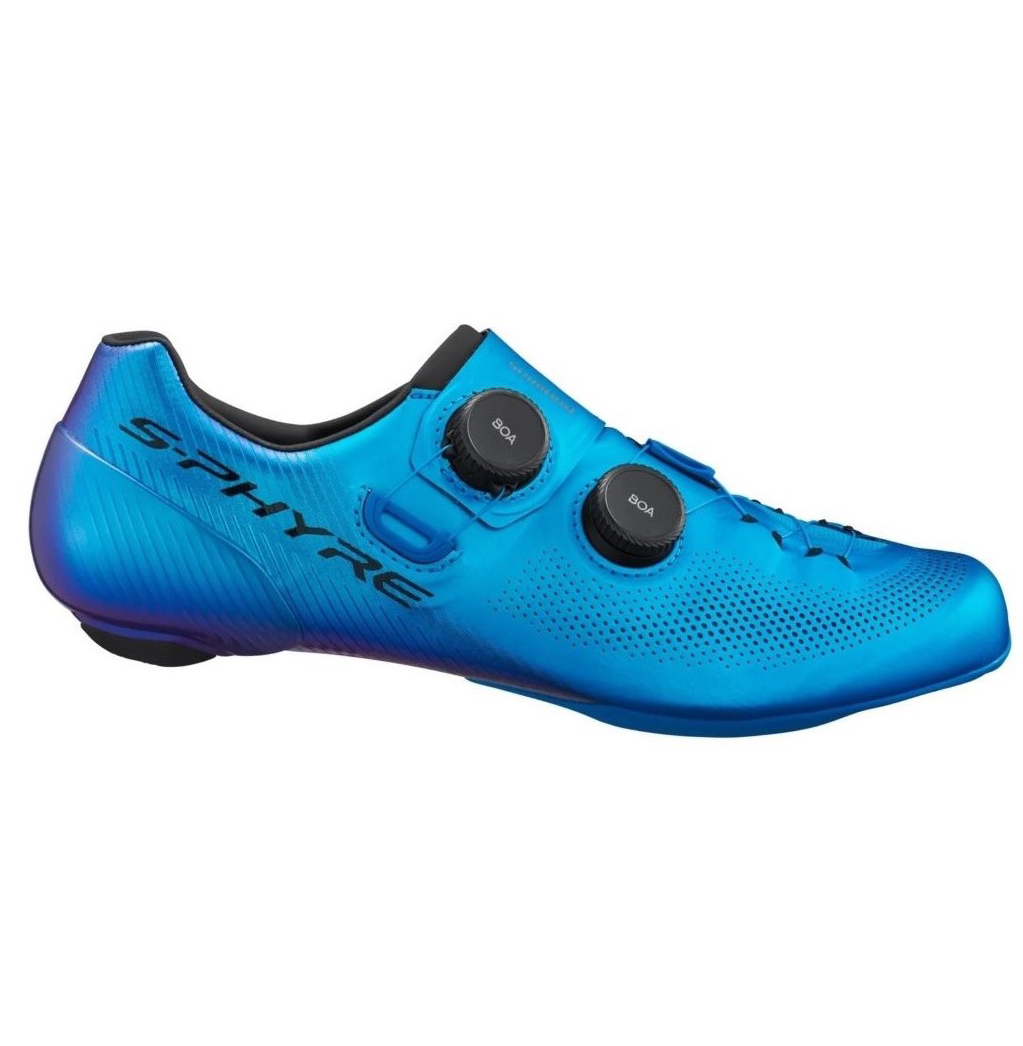
The RC903 utilizes a 360-degree "surround wrapping" upper that eliminates gaps and provides a remarkably secure fit. The dual BOA Li2 dials allow for micro-adjustments in both directions, which is essential when your feet begin to swell during mid-day heat. Furthermore, the heel cup features a specialized anti-twist stabilization that prevents the foot from lifting during the upward stroke of a sprint.
Pros & Cons
- Pros: Unmatched power transfer; class-leading 5mm cleat adjustment range; exceptional heel retention.
- Cons: The $480 price point is a significant investment; the "wrap-around" upper can be difficult to pull on quickly.
Best for Speed and Weight: Specialized S-Works Torch
If your primary concern is climbing efficiency and marginal gains, the Specialized S-Works Torch is unparalleled. Specialized managed to achieve a weight of just 15.9 ounces (EU 42.5) by moving away from traditional plastic hardware and instead utilizing titanium cleat nuts and a refined internal I-Beam structure.
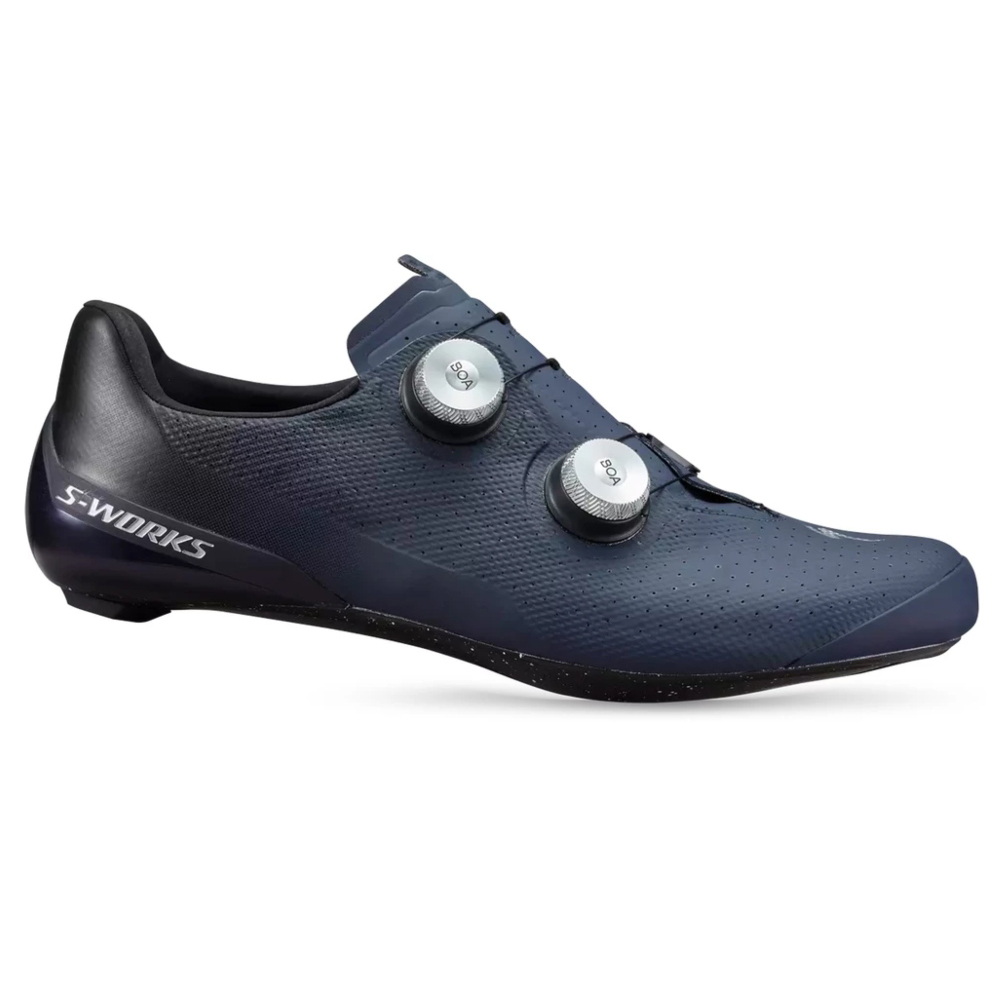
While the shoe is incredibly light, it doesn't sacrifice ergonomics. Specialized's "Body Geometry" philosophy is evident in the 1.5mm Varus Wedge—an outward tilt in the sole that aligns the ankle, knee, and hip. This subtle geometry adjustment reduces the risk of overuse injuries and improves pedaling efficiency over long durations. The toe box is also 4mm wider than the previous S-Works 7, addressing one of the most common complaints from high-performance riders.
Tester's Note: The S-Works Torch feels nearly invisible on the foot. However, the BOA S3 dials are proprietary; while they offer a sleek aesthetic, they aren't as easily replaceable in a pinch as the standard Li2 system.
Best Value for Enthusiasts: Giro Cadet
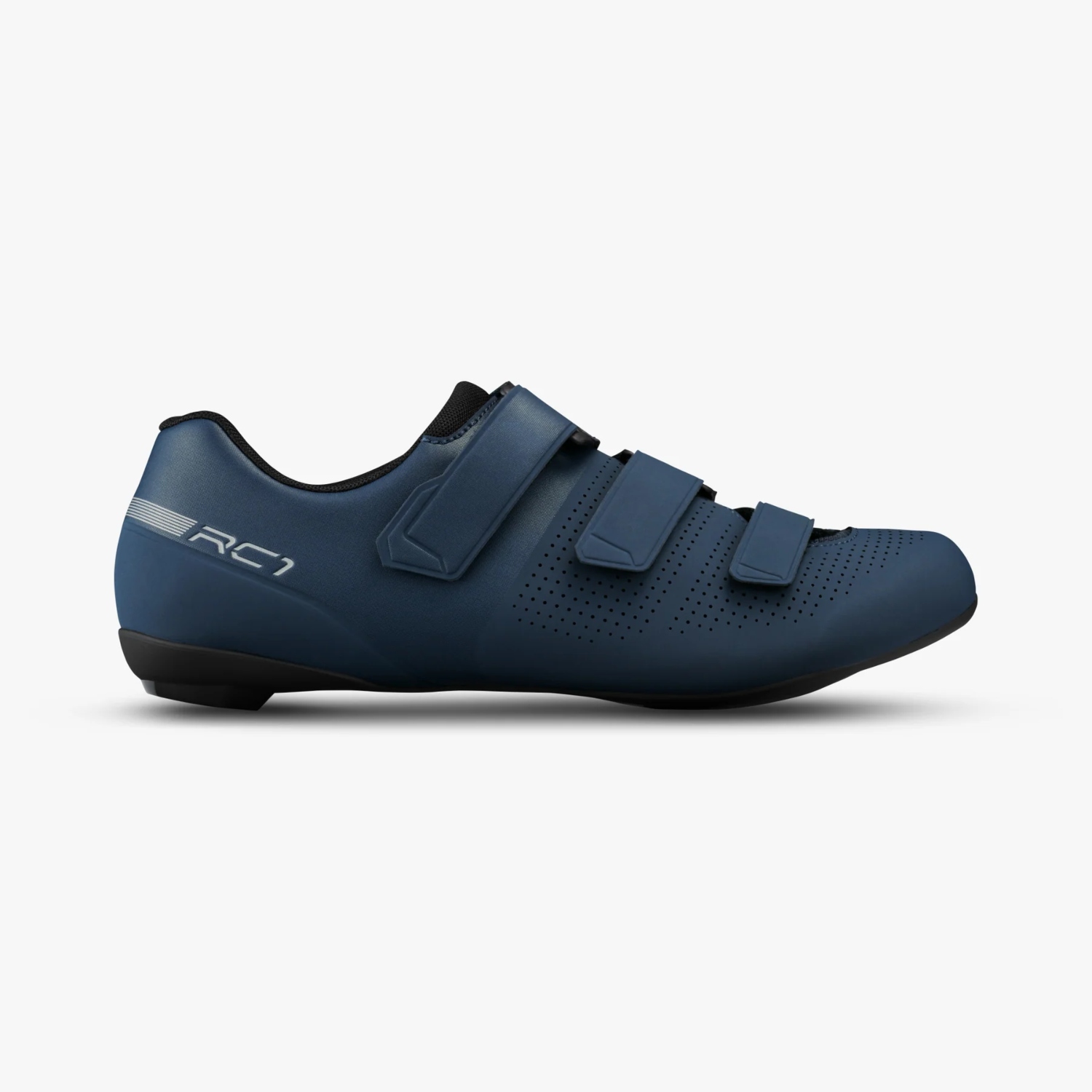
It is a common misconception that you must spend upwards of $400 to achieve a performance-oriented ride. The Giro Cadet serves as a powerful rebuttal to that notion. At a fraction of the cost of the S-Phyre, the Cadet offers a carbon-reinforced nylon outsole that, while softer than pure carbon (7.2mm deflection), provides plenty of snap for the average club rider.
The Cadet uses Giro’s proprietary Synchwire upper—a thermo-bonded film that mimics the feel of high-end microfiber without the weight or the price tag. While it lacks the dual-dial precision of its more expensive counterparts, the single BOA L6 dial paired with a Velcro forefoot strap provides a "set it and forget it" security that most riders will find more than adequate for weekend centuries.
Pros & Cons
- Pros: Incredible price-to-performance ratio; highly breathable Synchwire upper; neutral fit suits most foot shapes.
- Cons: L6 dial only adjusts in one direction (tighten); carbon-nylon sole shows more flex during max-effort sprints.
The Comfort Alternative: Quoc Escape Road
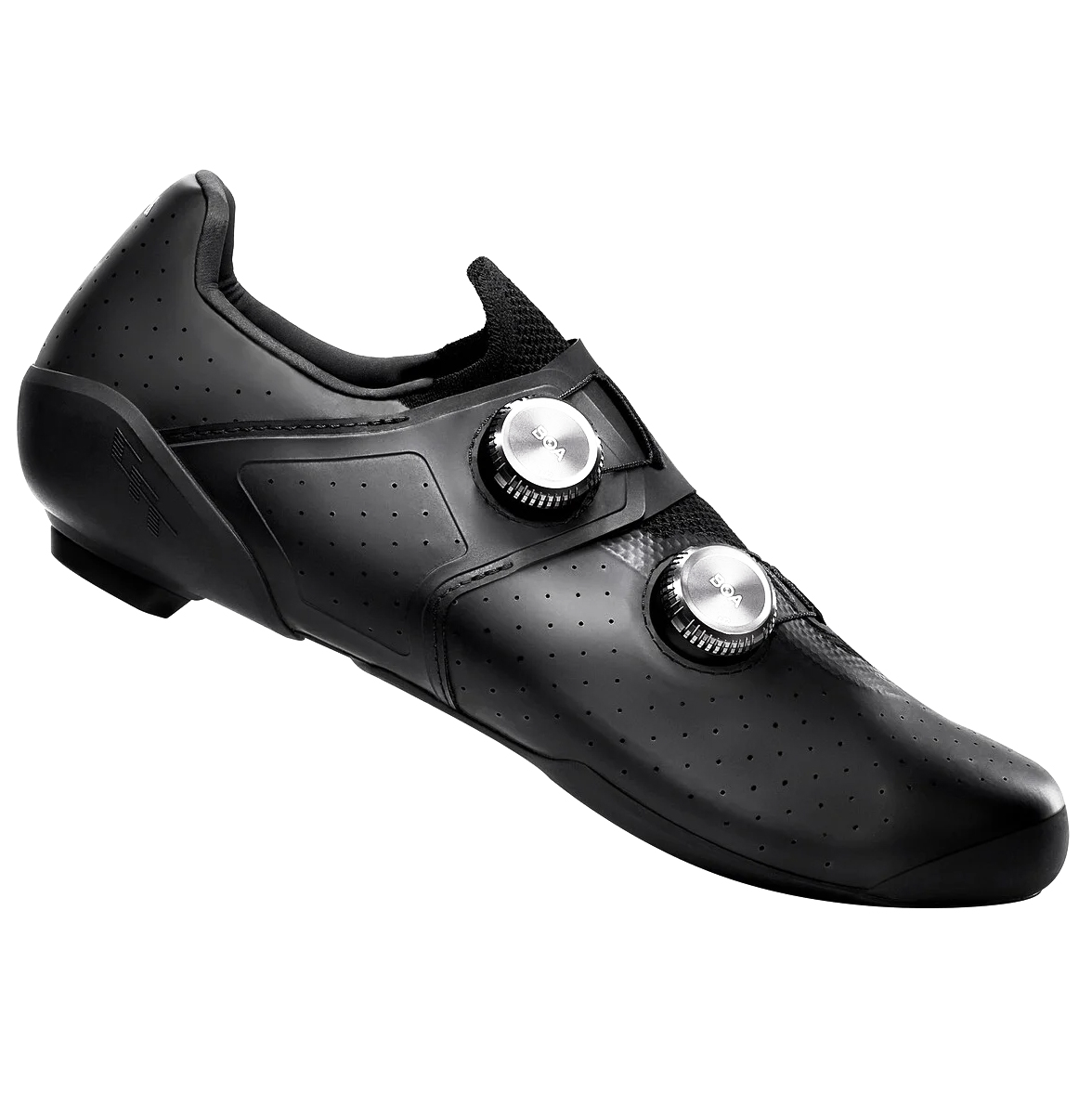
There is a segment of the cycling population for whom stiffness is actually a detriment. On 200km "epic" rides, an ultra-rigid sole can lead to nerve compression and foot fatigue. This is where the Quoc Escape Road shines. With a deflection of 12.1mm, it is the softest shoe in our top rankings, but it uses that flexibility to its advantage.
The upper is constructed from a supple polyurethane leather that molds to the foot far more effectively than the rigid plastics used in racing shoes. It feels more like a high-performance slipper than a piece of cycling equipment. The Quoc-designed dial system is intuitive, and the aesthetic is undeniably "boutique," making it a favorite for riders who value style and longevity over podium finishes.
Buying Guide: What Makes a Shoe Fast?
Understanding the technical nuances of footwear can save you hundreds of dollars and hours of discomfort. When we talk about a shoe being "fast," we are looking at three primary factors:
Stiffness vs. Fatigue
It is tempting to buy the stiffest shoe available (like our 1.4mm deflection winner), but there is a trade-off. Extreme rigidity can cause "hot spots" because the foot is unable to move naturally through the pedal stroke. For racing (1-3 hours), go stiff. For gran fondos or touring (5+ hours), a deflection between 5mm and 8mm is often the "sweet spot" for preventing nerve pain.
Closure Systems
The closure system is responsible for foot retention.
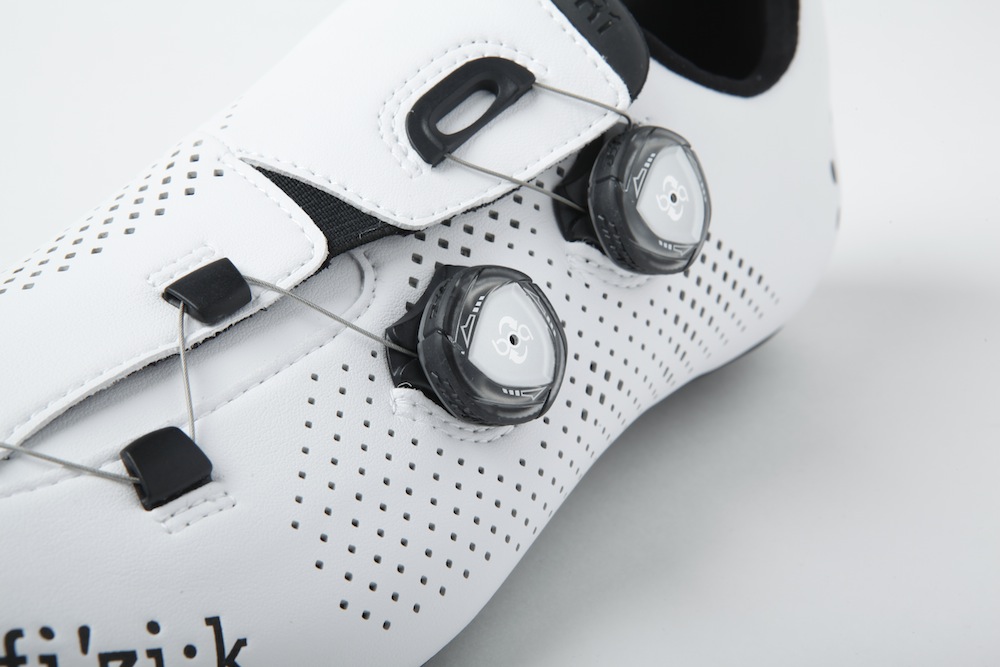
- BOA Li2: The current gold standard. It allows you to tighten and loosen the shoe in 1mm increments while riding.
- BOA L6: Common on mid-range shoes. It can only be tightened or fully released, making on-the-fly micro-adjustments more difficult.
- Laces: Offers the most customizable pressure distribution but cannot be adjusted while riding.
Stack Height
Stack height is the distance between the sole of your foot and the center of the pedal spindle. A lower stack height (found in the Shimano and Specialized models) improves the "feel" of the road and can technically increase efficiency by shortening the lever arm of the pedal stroke.
FAQ
Q: Should I size up for cycling shoes? A: Generally, no. Cycling shoes should be snug to prevent the foot from sliding, which causes power loss and blisters. However, since feet swell during long rides, ensure there is about 3-5mm of space at the end of the toe box.
Q: How often should I replace my cycling shoes? A: While the carbon soles can last for years, the uppers and closure systems typically begin to degrade after 300-500 hours of riding. If the heel cup feels loose or the BOA dials are slipping, it's time for an upgrade.
Q: Can I use road shoes for commuting? A: You can, but road shoes feature exposed cleats and stiff soles that make walking difficult and slippery. For commuting, a "touring" or gravel shoe with recessed cleats is often a safer, more practical choice.
Final Verdict
The "best" shoe is ultimately determined by your riding style. If you are racing for the win, the Shimano S-Phyre SH-RC903 offers an objective advantage in power transfer that is hard to ignore. For those counting every gram on Alpine climbs, the Specialized S-Works Torch is the pinnacle of engineering. However, for the vast majority of cyclists, the Giro Cadet represents the smartest investment, offering high-level performance without the professional price tag.