Quick Facts
- Residency Threshold: To claim Wyoming residency for hunting, you must physically reside in the state for 365 consecutive days and abandon all other state domiciles.
- The Strable Case: Influencer Samantha Strable faces eight misdemeanor charges in Sublette County, including false swearing to obtain resident licenses and hunting without a valid license.
- The Wilderness Rule: Nonresidents are legally prohibited from hunting big or trophy game in Wyoming’s federal wilderness areas unless accompanied by a licensed outfitter or a resident guide.
- Penalty Exposure: Each count of false swearing in Wyoming can result in up to one year in jail, $10,000 in fines, and the permanent revocation of hunting and fishing privileges.
- Application Windows: For the 2026 season, key application periods for elk, deer, and antelope generally run from January 2 through June 1.
The Viral Influencer Facing Wyoming Wildlife Charges
In the world of high-stakes outdoor pursuits, reputation is often as valuable as the trophy on the wall. For Samantha Strable, known to her digital followers as "Sam_Strays_Somewhere," that reputation is currently under intense scrutiny in a Sublette County courtroom. Strable, whose online persona blends nomadic living with backcountry adventure, was arrested in early 2025 following a meticulous investigation by the Wyoming Game and Fish Department (WGFD).
The case has reignited a fierce debate within the hunting community regarding "residency fraud"—a practice where hunters claim local status to bypass difficult lottery draws and significantly lower license fees. Strable’s legal troubles aren't her first brush with wildlife-related controversy; she previously drew fire for an incident involving a wombat in Australia. However, the charges in Wyoming carry far more weight than social media backlash. They represent a systemic crackdown on those who attempt to circumvent the laws designed to protect Wyoming’s precious wildlife resources.
What are Wyoming's hunting residency requirements? To qualify for a resident hunting license, an individual must physically reside in Wyoming for at least one full year (365 consecutive days), establish it as their permanent home, and abandon domicile in all other states. Simply owning property or spending summers in the state does not suffice.
The Anatomy of a Residency Fraud Case: What Went Wrong
The investigation into Strable didn't begin with a high-speed chase, but rather with a "Stop Poaching" tip—a common starting point for modern wildlife enforcement. Wyoming Game Warden Jake Miller spearheaded the inquiry, which eventually resulted in a detailed affidavit that reads more like a forensic accounting report than a typical poaching narrative.
The WGFD’s investigative tools have become increasingly sophisticated. In Strable’s case, the department didn't just look at her social media posts; they looked at the hard data. Records obtained during the investigation allegedly showed that Strable spent only 35 days within Wyoming’s borders during the entirety of 2024. In the early months of 2025, she was recorded in the state for just 12 days. Despite these numbers, she allegedly claimed resident status to secure hunting tags that are notoriously difficult for nonresidents to obtain.
The core of the prosecution’s case rests on inconsistent documentation. Strable reportedly maintained an Alaska driver’s license while simultaneously swearing under oath that Wyoming was her primary and exclusive domicile. In the eyes of the law, you cannot have it both ways. This "dual residency" is the most common pitfall for mobile hunters, and in Wyoming, it is viewed as a deliberate attempt to defraud the state's conservation funding model.
Understanding Wyoming Residency Laws (2026 Edition)
For the serious hunter planning a 2026 expedition, understanding the definition of "domicile" is critical. Wyoming law defines domicile as the place where a person has a "true, fixed, and permanent home" and to which, whenever they are absent, they have the intention of returning.
The "365-Day Rule" is the bedrock of this definition. You must be physically present in Wyoming for a full year before you can even apply for a resident license. During that year, you cannot claim any residency benefits in another state—this includes voting, vehicle registration, or holding a resident hunting/fishing license elsewhere.
Why was Samantha Strable charged in Wyoming? Strable faces eight misdemeanor counts for allegedly providing false statements to obtain resident hunting licenses and for hunting elk without a valid license in Sublette County. The charges stem from her failure to meet the 365-day physical presence requirement and her continued use of out-of-state identification.
There are narrow exceptions to these rules, primarily for active-duty military members stationed in Wyoming and full-time students enrolled in a Wyoming educational institution. However, for the general public, the requirements are rigid. The state’s logic is simple: resident hunters contribute to the local economy and conservation efforts year-round through taxes and community involvement; therefore, they receive preferential access to the state's wildlife.
PRO TIP: Proving Domicile If your residency is ever questioned, the WGFD will look for "objective evidence." This includes Wyoming income tax records (if applicable), utility bills in your name for a Wyoming residence, a Wyoming voter registration card, and the surrender of any previous out-of-state driver's licenses.
Navigating the 2026 Wyoming Hunting Application Season
As we look toward the 2026 season, the financial disparity between resident and nonresident licenses remains a primary driver for residency fraud. The table below outlines the stark differences in costs and the critical deadlines that every hunter must respect.
| License Type | Resident Fee (Approx.) | Nonresident Fee (Approx.) | Application Deadline |
|---|---|---|---|
| Elk (General/Limited) | $62 | $707 | Jan 2 – June 1 |
| Deer (Special/General) | $42 | $374 | Jan 2 – June 1 |
| Antelope | $37 | $326 | Jan 2 – June 1 |
| Bighorn Sheep | $150 | $3,000 | Jan 2 – March 31 |
| Leftover Drawing | Varies | Varies | June 22 – June 26 |
The application process is handled entirely online through the WGFD website. For nonresidents, the "Special" draw tier offers higher odds of success but comes with a significantly higher price tag. Attempting to "self-classify" as a resident to save $645 on an elk tag is precisely what leads to the felony-level fines seen in the Strable case.
Crucial Regulations to Avoid Accidental Violations
Even if your residency status is legitimate, Wyoming has unique regulations that can trap the unwary. Perhaps the most controversial is the "Wilderness Rule."
Do nonresidents need a guide to hunt in Wyoming wilderness areas? Yes. Wyoming state law requires nonresidents to be accompanied by a resident guide or a licensed outfitter when hunting big or trophy game (elk, deer, antelope, moose, bighorn sheep, mountain goat, black bear, or grizzly bear) within any federally designated wilderness area.
This rule is often criticized as a protectionist measure for local outfitters, but it remains a strictly enforced legal requirement. A "resident guide" does not have to be a professional outfitter; they can be a Wyoming resident friend who holds a free resident guide license, which can be obtained at any Game and Fish regional office. However, that friend cannot accept any form of compensation, or they transition into the category of an illegal outfitter.
Furthermore, there is a significant legal distinction between "hunting without a license" and "hunting with an invalid license." If you are caught with a resident license but cannot prove residency, the license is deemed void from the moment of issuance. This means every animal harvested under that license constitutes a separate count of taking game without a license—a cascade of legal failures that can lead to a lifetime ban from hunting in all states participating in the Interstate Wildlife Violator Compact.
The Consequences: Penalties for False Swearing
The financial and legal impact of the charges against Samantha Strable cannot be overstated. In Wyoming, "False Swearing" to obtain a license is a high-level misdemeanor. When you have eight such counts, the penalties compound.
- Financial Impact: Fines can reach up to $10,000 per count. For a case involving eight counts, the total financial liability could theoretically reach $80,000, excluding court costs and restitution for the wildlife taken.
- Legal Jeopardy: Each count carries a potential jail sentence of up to one year. While maximum sentences are rarely handed out to first-time offenders, the threat of incarceration is a powerful deterrent.
- Loss of Privileges: This is often the most painful penalty for a dedicated hunter. A conviction usually results in the loss of hunting and fishing privileges for several years, if not a lifetime.
It is also worth noting the broader legal environment in Wyoming. The state is currently embroiled in complex litigation regarding "corner-crossing"—the act of stepping from one piece of public land to another at a point where they touch at a corner with private land. While the courts have recently trended toward favoring public access, the Strable case serves as a reminder that Wyoming authorities are more vigilant than ever about land use and licensing.
The lesson for 2026 is clear: The cost of a nonresident license, while high, is a fraction of the cost of a legal defense. Whether you are a high-profile influencer or a private citizen, the Wyoming wilderness is a place of uncompromising rules.
FAQ
Can I buy a resident license if I own a cabin in Wyoming but live in Texas? No. Owning property does not establish residency for hunting purposes. You must physically reside in the state for 365 consecutive days and abandon your Texas residency entirely to qualify.
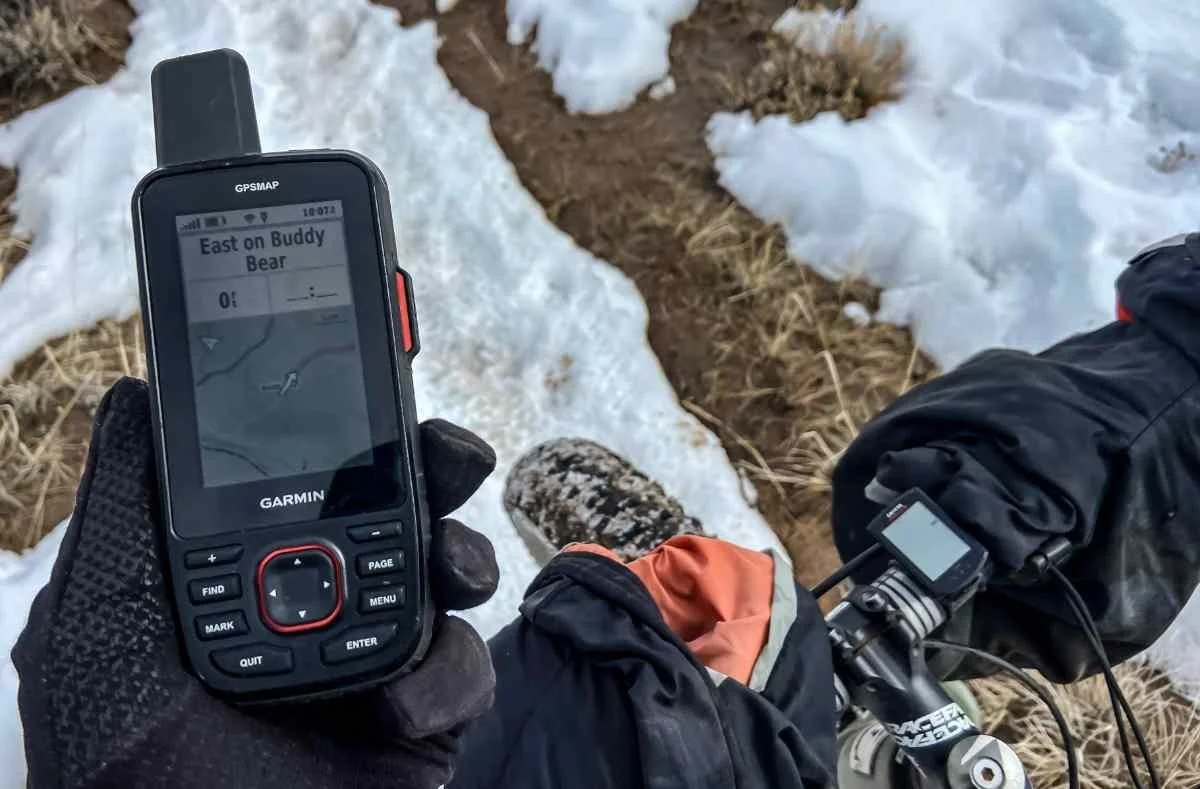
What happens if I accidentally hunt in a wilderness area without a guide? This is a violation of Wyoming Statute 23-2-401. You can be cited, fined, and your harvested animal can be confiscated. Always check your GPS boundaries against federal wilderness maps before starting your hunt.
How does Wyoming track my physical presence in the state? Warden investigations now include analyzing credit card transactions (where you buy gas and groceries), cell tower pings, and even social media timestamps. If you claim to live in Sublette County but all your transactions are in Salt Lake City, the WGFD will find out.