Quick Facts
- Best Overall: The KUIU Attack Pants remain the undefeated champion for 2025, offering an incredible 25-degree comfort range (35°F to 60°F) and unmatched durability.
- Best for Extreme Heat: When the mercury climbs above 80°F, the First Lite Trace Pants are the go-to choice due to their specialized heat-shedding fabric.
- Top Budget Value: The Kryptek Valhalla provides high-end features like articulated knees and technical pockets for under $100.
- Technical Edge: Modern high-performance gear like the KUIU Chugach TR boasts a 30,000mm waterproof rating—providing six times the moisture resistance of standard entry-level water-repellent pants.
I’ve spent the better part of the last decade testing gear in places where the weather doesn’t just change—it attacks. From the rain-lashed ridges of the Pacific Northwest to the suffocating heat of a September archery season in the desert, I’ve learned one painful lesson: a great pair of hunting pants is the foundation of your entire kit. Rain pants don’t make sense in the desert, and lightweight brush pants will leave you shivering and wet on a late-season whitetail stand.
Choosing the right pair is about matching the fabric to the mission. In 2025, we’re seeing a massive leap in textile technology, where mid-weight pants are now engineered to perform optimally across a wide temperature spectrum without needing bulky base layers. Whether you are counting every ounce for a sheep hunt or looking for a rugged pair of brush-busters that won't break the bank, this year's lineup has something for every specialized need and budget.
Comparison Table: 2025 Hunting Pant Superlatives
| Model | Best For | Weight | Key Material | Waterproofing |
|---|---|---|---|---|
| KUIU Attack | All-Around Versatility | 18.5 oz | Primeflex Polyester | DWR Coating |
| Kryptek Valhalla | Budget Performance | 13.4 oz | Synthetic Blend | Water Resistant |
| First Lite Trace | Extreme Heat (80°F+) | 12 oz | Specialized Airflow Fabric | None (Breathability focus) |
| SITKA Stratus 2.0 | Whitetail/Late Season | 28 oz | GORE-TEX INFINIUM | Windproof/Water Resistant |
| KUIU Chugach TR | Monsoon/Wet Weather | 14.5 oz | 3-Layer Toray | 30,000mm Rating |
| Filson Single Tin | Upland/Briars | 32 oz | Oil Finish Canvas | Water Repellent |
| First Lite Obsidian | Silence/Early Season | 16 oz | Merino Wool Blend | Naturally Quiet |
| KUIU Kutana Hybrid | Rough Terrain | 17.5 oz | Hybrid Ripstop/Hardshell | Targeted Waterproofing |
1. Best Overall: KUIU Attack Pants
If you told me I could only own one pair of hunting pants for the rest of my life, the KUIU Attack would be the immediate answer. I’ve put these through the wringer—belly-crawling through shale in the Rockies and pushing through snagging oak brush. The secret sauce is the Primeflex polyester. It’s a fabric that stretches and recovers without losing its shape, making it feel less like a technical garment and more like a second skin.
What sets these apart in 2025 is their specialized engineering for temperature regulation. These mid-weight pants provide a 25-degree comfort range, performing optimally between 35°F and 60°F. When you’re active, you don’t need a base layer in freezing temps, and when the sun comes out, the side vents allow for immediate heat dumping.
Key Features:
- Primeflex polyester for 4-way stretch.
- Zippered hip vents for temperature control.
- DWR coating for light moisture protection.
- Articulated knees and gusseted crotch.
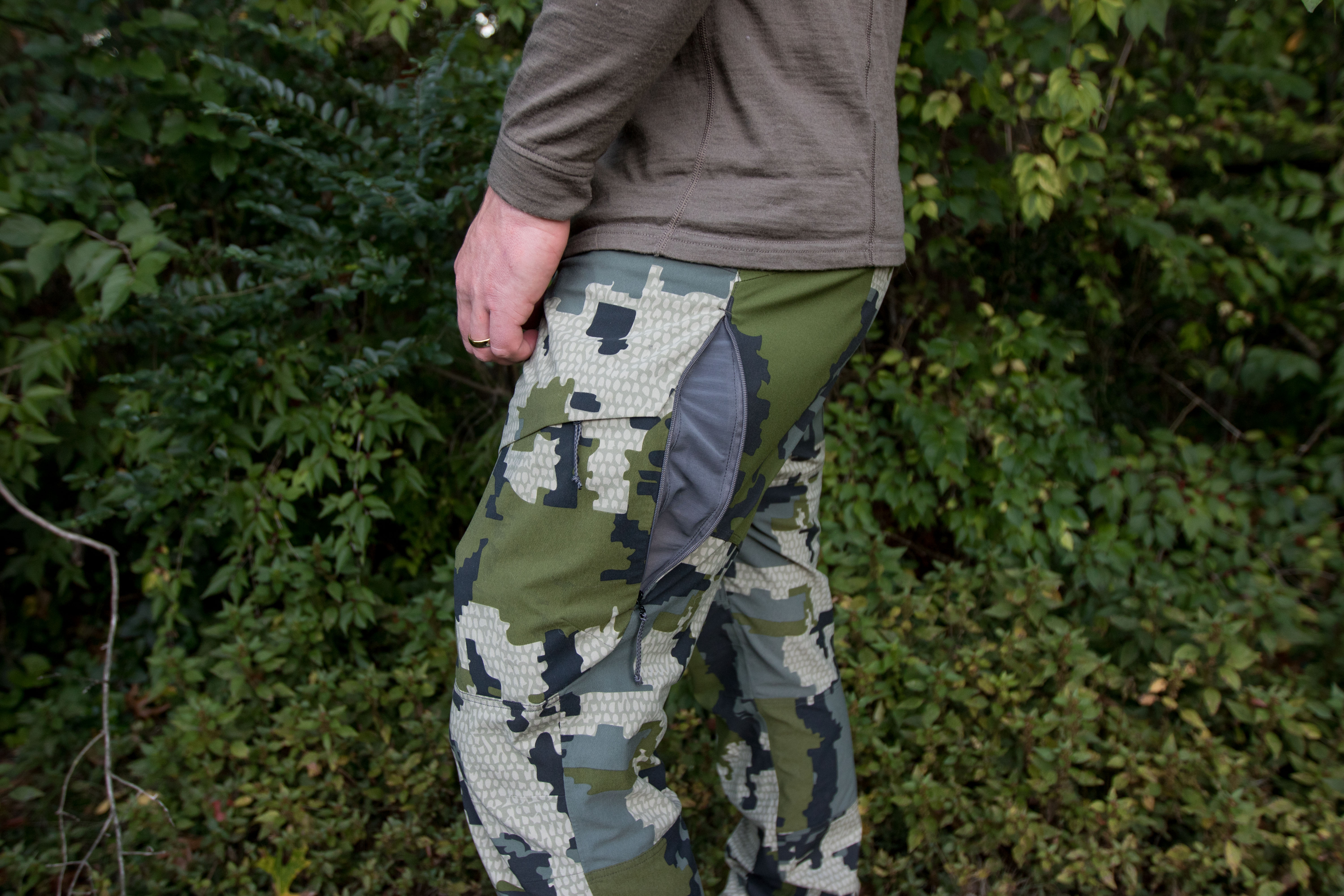
- Pros: Incredible durability; the most versatile temperature range in the industry; silent movement.
- Cons: High demand often leads to limited size/camo availability; can be too warm for sustained 80°F+ days.
2. Best Budget Pick: Kryptek Valhalla
Finding a technical pant under $100 that doesn't feel like a plastic bag is a challenge, but the Kryptek Valhalla hits the mark. These are designed specifically for the minimalist who needs high mobility. During a spring turkey hunt last year, I found the articulated knees and the lightweight synthetic blend provided the freedom of movement usually reserved for pants twice this price.
They are exceptionally breathable and dry almost instantly. While they lack the heavy-duty reinforced seats of more expensive models, they are tough enough for most early-to-mid-season applications. For the hunter looking to build a kit on a budget without sacrificing the "technical" feel, these are the clear winner.
Key Features:
-
Ultra-lightweight synthetic construction.
-
Multiple low-profile cargo pockets.
-
Articulated knees for high-step mobility.
-
Pros: Price-to-performance ratio is unbeatable; very packable; great for early-season scouting.
-
Cons: Thin fabric offers little protection against thorns; minimal wind resistance.
3. Best for Extreme Heat: First Lite Trace Pants
When the mercury climbs above 80 degrees during early-season velvet deer hunts or desert muley stalks, most "breathable" pants fail. The First Lite Trace is the first pair I've used that actually feels like it’s actively cooling you. They use a specialized weave that is porous enough to let the slightest breeze through but tight enough to keep out the grit.
I tested these in the arid heat of the Southwest, and the difference in moisture management was staggering. They don’t just wick sweat; they allow it to evaporate instantly, preventing that "swampy" feeling that leads to chafing on long pack-outs.
Key Features:
- Aerowool-inspired synthetic blend.
- Specialized high-airflow weave.
- Weight-saving design with essential pockets only.
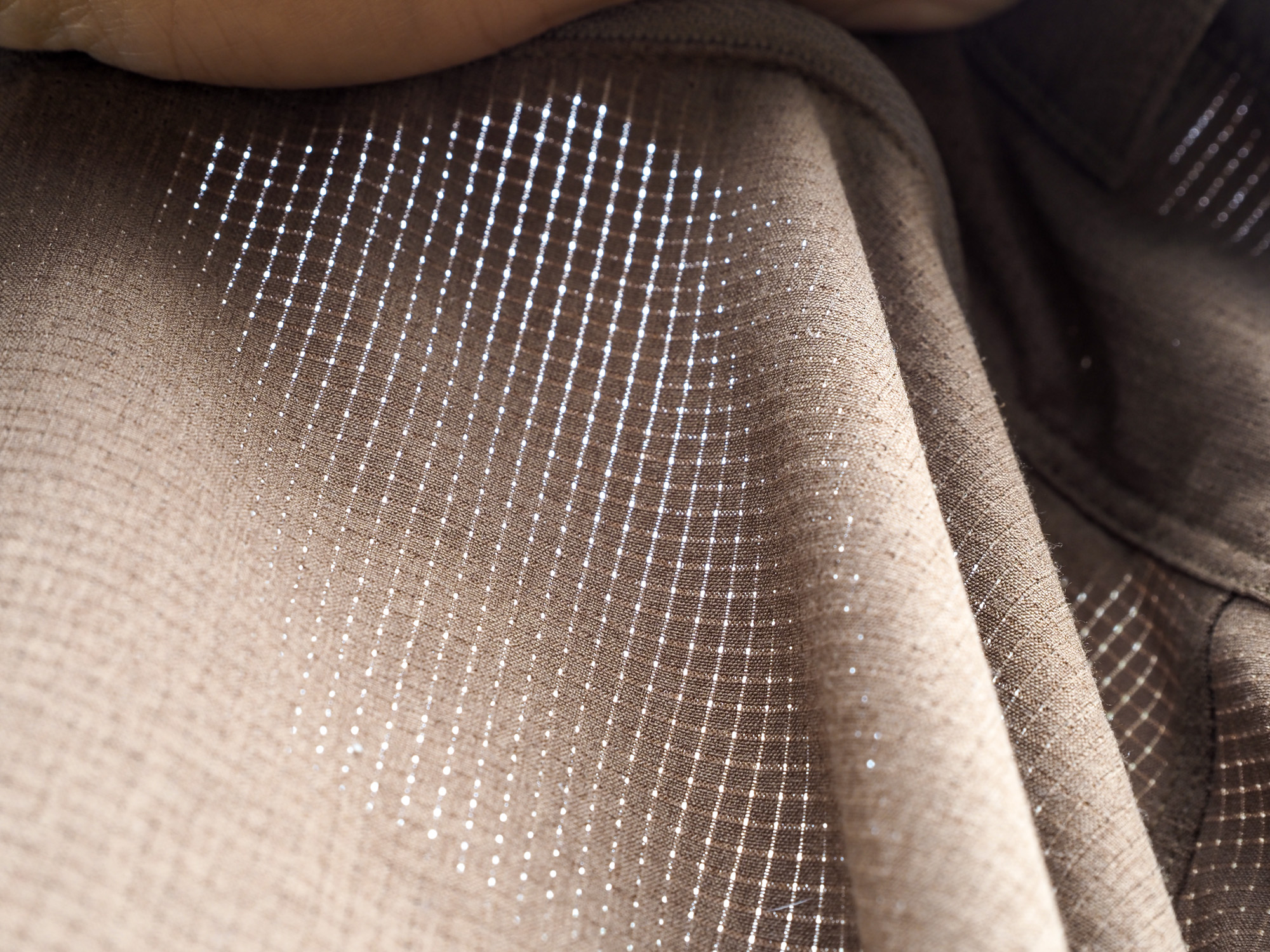
- Pros: Best-in-class breathability; extremely lightweight; dries faster than any pant on this list.
- Cons: Not designed for cold mornings; fabric is delicate compared to heavy-duty nylon.
4. Best Late-Season Whitetail Bib: SITKA Stratus 2.0
Whitetail hunting is a game of patience, often spent sitting stationary in biting winds. The SITKA Stratus 2.0 isn’t a traditional "pant," but for the stationary hunter, these bibs are essential. They utilize GORE-TEX INFINIUM with WINDSTOPPER technology, which is a total game-changer when the wind starts whistling through the bare November timber.
The bib design keeps your lower back covered when sitting, preventing that dreaded cold gap between your jacket and pants. It's also remarkably quiet—a necessity when a buck is at 15 yards and every movement is scrutinized.
Key Features:
- GORE-TEX INFINIUM for 100% windproof protection.
- Micro-fleece interior for silent warmth.
- Chest pockets for rangefinders and essentials.
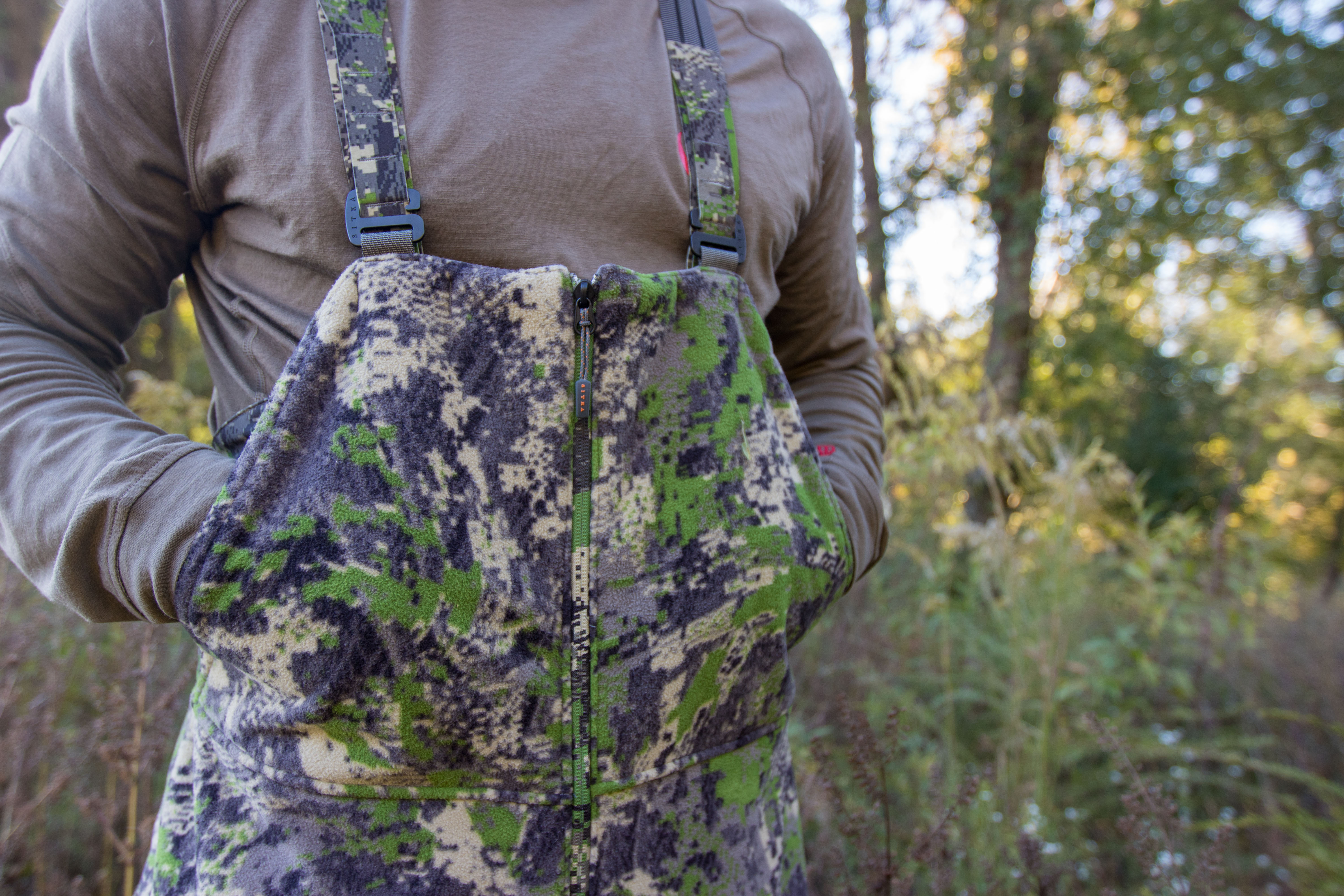
- Pros: Total wind protection; excellent pocket layout for tree-stand hunters; very quiet fabric.
- Cons: Heavy for active stalking; high price point.
5. Best Waterproof/Wet-Weather: KUIU Chugach TR
If you are heading to Alaska or the Pacific Northwest, your rain gear isn't a backup—it's your primary shell. The KUIU Chugach TR is a marvel of engineering, offering a 30,000mm waterproof rating. To put that in perspective, that is roughly six times the water resistance of standard entry-level water-repellent gear.
Most rain pants feel like wearing a stiff tarp, but the Chugach uses a 4-way stretch fabric that moves with you. I’ve worn these for three days straight in a torrential downpour, and they never "wetted out" or left me feeling clammy from the inside, thanks to the high breathability of the Toray membrane.
Key Features:
-
30,000mm waterproof/15,000g breathability.
-
Primeflex 4-way stretch face fabric.
-
Full-length side zippers for easy on/off over boots.
-
Pros: Unrivaled waterproof protection; remarkably lightweight and packable; stretch fabric doesn't hinder climbing.
-
Cons: Expensive; louder than softshell pants.
6. Best Upland/Brush Pants: Filson Oil Finish Single Tin
When your hunt involves pushing through thorns, briars, and thickets that would shred a technical synthetic pant, you go back to the classics. The Filson Single Tin pants are built from heavyweight oil-finish canvas. They are, quite literally, armor for your legs.
I’ve used these for upland bird hunting in the Southeast where the blackberry briers are thick enough to stop a truck. You won't feel a thing. They aren't breathable, and they certainly aren't "lightweight," but for pure abrasion resistance and longevity, they have no equal.
Key Features:
-
15-oz. oil-finish Tin Cloth.
-
Water-repellent and wind-resistant.
-
Double-needle construction with bar-tacking at stress points.
-
Pros: Near-indestructible; total protection from thorns; gets better with age and re-waxing.
-
Cons: Very heavy; zero breathability; stiff until broken in.
7. Best Merino/Early Season: First Lite Obsidian
The First Lite Obsidian is a cult favorite for a reason: it’s made of merino wool. While most technical gear is synthetic, wool offers two things synthetics can't match: natural scent suppression and absolute silence. When you're trying to sneak within bow range of a bedded elk, the "swish-swish" of nylon can be a death sentence for your hunt.
The Obsidian moves like a pair of pajama pants but performs like a mountain garment. It doesn't have a membrane, so it breathes exceptionally well, making it perfect for active hunts in mild temperatures.
Key Features:
-
Merino wool reinforced with nylon for durability.
-
No-scent construction.
-
Silent movement for stalking.
-
Pros: Naturally odor-resistant (can be worn for days); the quietest pant on the list; comfortable against the skin.
-
Cons: Not as durable as full-synthetic pants; slow to dry if completely soaked.
8. Most Versatile Hybrid: KUIU Kutana Hybrid
The Kutana Hybrid is for the hunter who needs protection in specific areas but doesn't want the weight of a full hardshell. It features waterproof panels on the seat and knees—the places that usually get wet when you're glassing on damp ground or kneeling in the snow—while the rest of the pant is a highly breathable, durable ripstop nylon.
I used these on a late-October sheep hunt where I was constantly transitioning from high-output hiking to sitting on frozen rocks. They provide the perfect balance of protection and breathability without the bulk.
Key Features:
- Waterproof seat and knees.
- Kutana stretch nylon ripstop main body.
- Strategically placed cargo pockets.
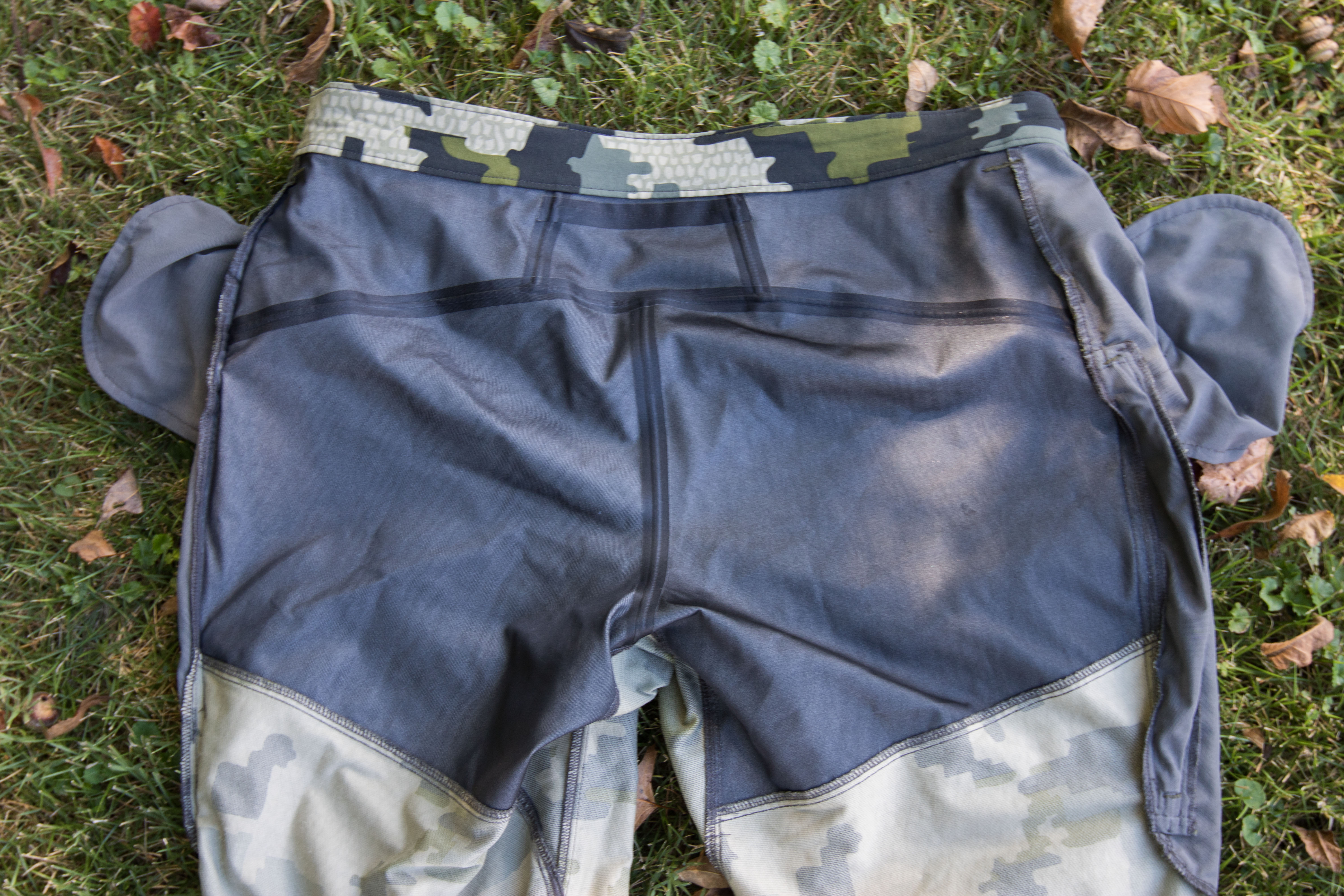
- Pros: Protects you where you need it most; very durable for the weight; great for mixed weather.
- Cons: The "hybrid" seams can be a point of failure if not cared for; specialized fit may not suit all body types.
How We Score: Our Field-Testing Criteria
To make this list, every pair of pants underwent a rigorous testing protocol. We don't just look at the spec sheet; we take them into the field. Here is how we evaluate each piece:
- Warmth (Scale 1-10): We test these in controlled environments and real-world conditions to verify the manufacturer's temperature claims.
- Breathability: We look for micro-perforations, mechanical venting (zips), and moisture-wicking properties during high-exertion climbs.
- Waterproofness: We distinguish between DWR (surface coating) and 3-layer laminates. If a brand claims "waterproof," we expect it to hold up under a pressure test.
- Durability: We intentionally push through briars and slide down scree slopes to test seam strength and fabric abrasion resistance.
Buyer’s Guide: How to Choose Your 2025 Kit
1. Warmth-to-Weight Ratio
In the backcountry, every ounce counts. Look for pants that offer the highest warmth with the lowest weight. Modern synthetics and merino blends allow you to stay warm in the 40s with a pant that weighs less than 20 ounces. If you find yourself hunting in sub-freezing temps, don't just buy thicker pants—look for a system that integrates well with a base layer.
2. Water Resistance vs. Noise
There is always a trade-off. High-waterproof ratings (like the 30,000mm in the Chugach) usually come with a "crinkle" factor. If you are a bowhunter, you might prioritize a quiet DWR-coated softshell over a loud hardshell. DWR (Durable Water Repellent) is a chemical treatment that causes water to bead up and roll off. It’s perfect for light rain and morning dew, but it will eventually "wet out" in a downpour.
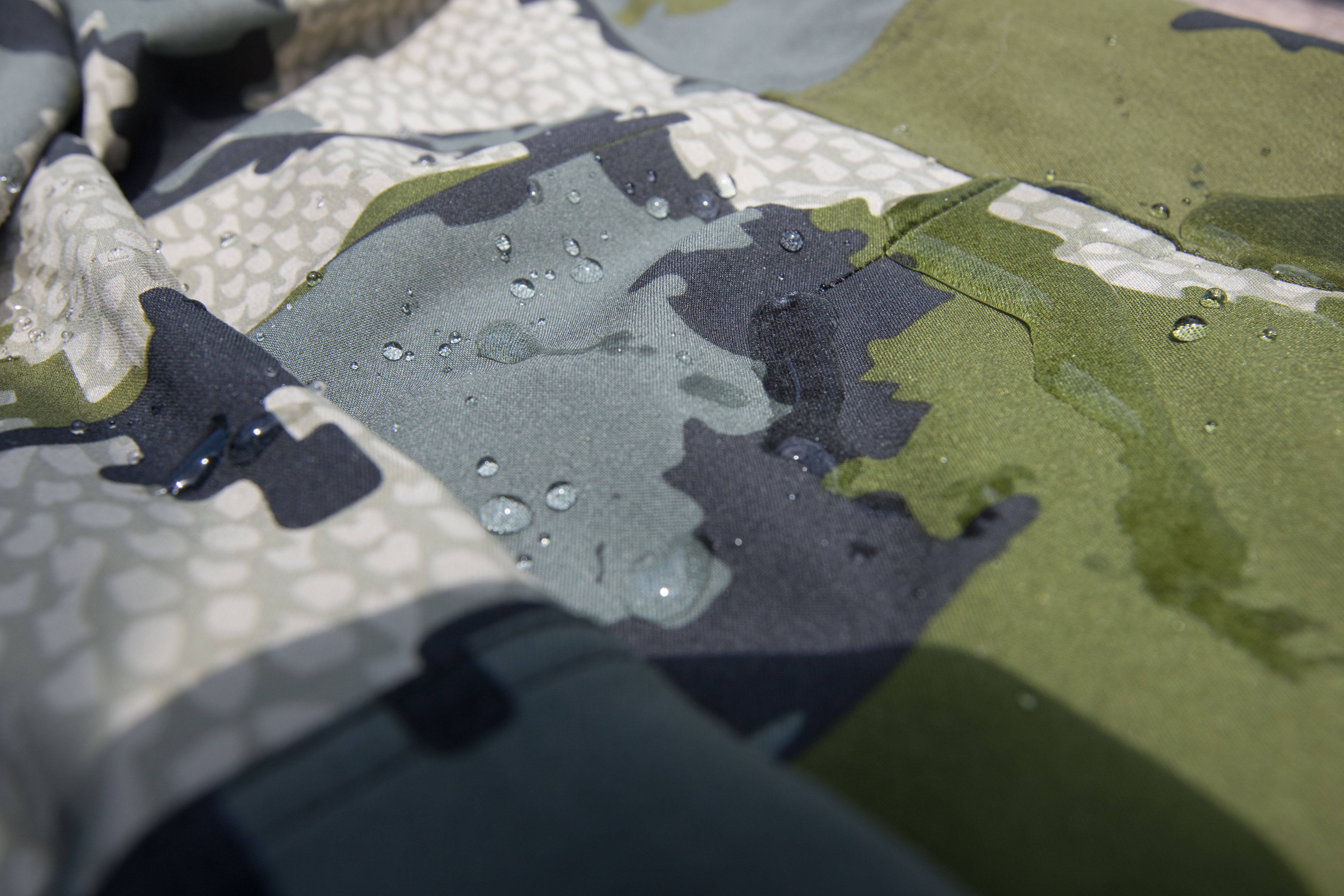
3. Camo Patterns vs. Drab Solids
While camo is the standard, don't overlook solid colors like Earth, Ash, or Ranger Green. Many high-end hunting pants are so comfortable and durable that you'll want to wear them for scouting, hiking, or even work. Drab solids allow for more versatility outside of the hunting season without sacrificing concealment in the field.
4. Synthetic vs. Wool: The Longevity Debate
Synthetics (nylon/polyester) are generally more durable and dry faster. Wool (merino) is quieter and resists odors better. If you are on a 10-day backpack hunt where you can't wash your clothes, wool is a lifesaver for your tent-mate. If you are bushwhacking through thorns every day, go with a high-tenacity nylon.
Frequently Asked Questions
Q: Do I really need to spend $200 on hunting pants? A: It depends on your hunt. If you're hunting from a truck or a heated blind, budget pants are fine. However, if you're hiking 5+ miles a day in changing weather, the breathability and stretch of a technical pant like the KUIU Attack will prevent exhaustion and chafing, which can literally save your hunt.
Q: How often should I re-apply DWR coating? A: If you notice water is no longer beading on the surface of your pants, it's time for a refresh. Generally, after a heavy season or a few washes, using a spray-on treatment like Nikwax will restore the factory-level water resistance.
Q: Can I wear early-season pants in the winter with a base layer? A: Yes, but only to a point. A lightweight pant like the First Lite Trace has too much airflow for winter, even with a base layer. Mid-weight "all-season" pants are much better suited for layering.
Ready to upgrade your mountain kit? Don't wait until the week before the season opener. Gear up now and get out there to break them in.