Quick Facts
- The 100-Yard Rule: Always cook and store food at least 100 yards (about the length of a football field) downwind from your sleeping area.
- Food Storage: Hard-sided bear-resistant canisters are the 2025 gold standard for preventing bears from obtaining a "food reward."
- Bear Spray Deployment: Aim to create a deterrent cloud when a charging bear is 50–60 feet away; never wait until they are within arm's reach.
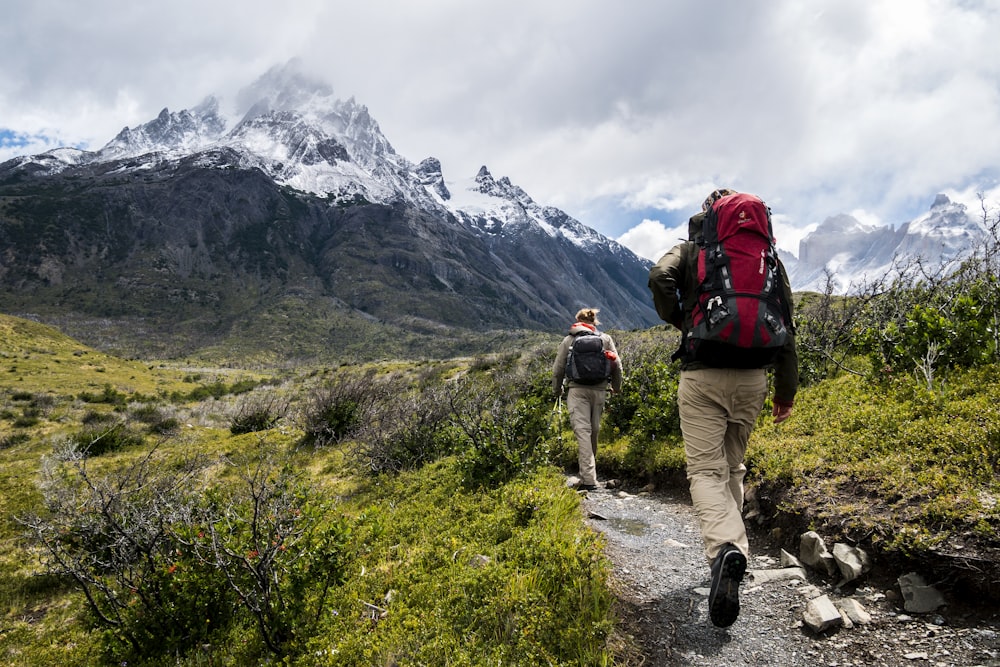
- Safety in Numbers: National Park Service data confirms that hiking in groups of three or more drastically reduces the risk of defensive attacks.
- Identification: Grizzlies have a prominent shoulder hump and concave face; Black bears have a straight facial profile and no shoulder hump.
Introduction: The Reality of Bear Country in 2025
I’ve spent the better part of twenty years waking up in places where I am definitely not at the top of the food chain. From the dense thickets of the Great Smoky Mountains to the windswept tundra of the Alaskan interior, the presence of bears doesn't just change how you hike—it changes how you think. As we head into 2025, the "personal space bubble" between humans and bears is shrinking as more people hit the trails. Understanding the 100-foot threshold—the distance at which a bear’s "fight or flight" reflex is often triggered—is more critical than ever.
To stay safe in bear country, your strategy must be two-fold: proactive avoidance and tactical response. The core of prevention is simple but non-negotiable: cook and store all food and scented items at least 100 yards away from your sleeping area using bear-resistant canisters. If an encounter does escalate, your primary tool is bear spray, which should be deployed when the animal is 50–60 feet away to create a dense, suffocating cloud of capsaicin between you and the bear.
National Park Service statistics from high-density areas like Yellowstone show a clear pattern: the vast majority of bear-related injuries involve individuals hiking alone or in pairs. By simply adding a third person to your group and following modern storage protocols, you aren’t just protecting yourself; you’re participating in "empowered stewardship." Remember the hard truth of the backcountry: a fed bear is a dead bear. Once they associate humans with food, their relocation or termination is almost inevitable.
Know Your Neighbor: Grizzly vs. Black Bear Identification
Before you can react, you have to identify. In 2025, we are seeing Grizzly populations expand into territories where they haven’t been spotted in decades. Misidentifying a bear can lead to the wrong tactical response, which can be a fatal mistake. Don't rely on fur color—Black bears can be cinnamon or blonde, and Grizzlies can be dark brown. Instead, look for the "architecture" of the animal.
| Feature | Grizzly Bear (Brown Bear) | Black Bear |
|---|---|---|
| Shoulder Hump | Distinct, muscular hump (highest point of the back) | No shoulder hump; highest point is the rump |
| Facial Profile | Concave or "dished-in" profile | Straight, "Roman" profile from forehead to nose |
| Ear Shape | Short, rounded ears | Taller, more pointed ears |
| Claw Length | Long (2-4 inches), visible from a distance | Shorter (approx. 1 inch), curved for climbing |
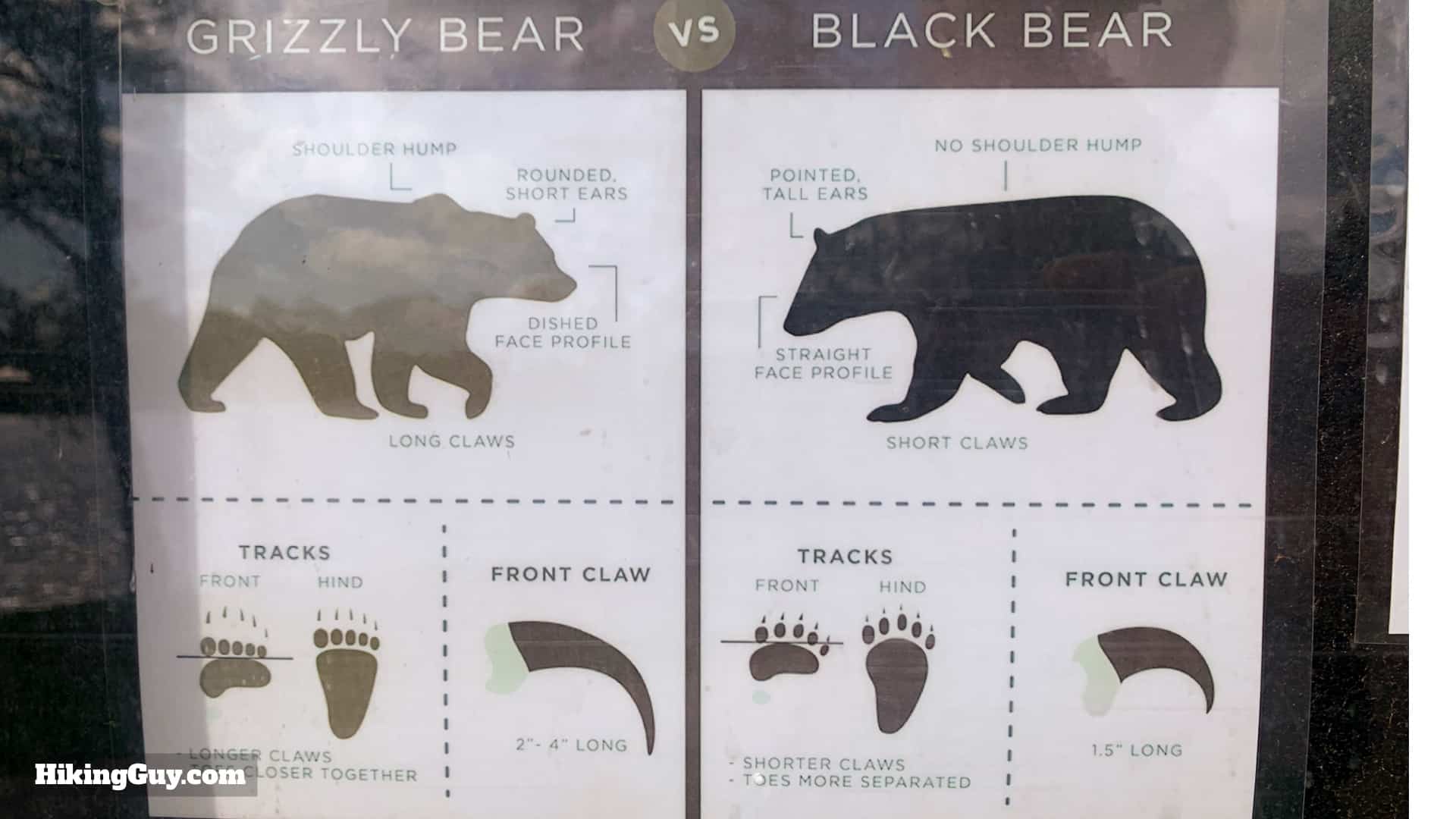
Grizzlies are generally "stand-your-ground" predators. They evolved in open environments where running wasn't always an option, making them more likely to defend a territory or a kill. Black bears, conversely, are typically "retreat-first" animals, having evolved in forested areas where they could climb trees to escape danger. However, never mistake a Black bear's shy nature for a lack of lethality; a predatory Black bear is a different beast entirely.
The Tactical Campsite: Designing for Safety
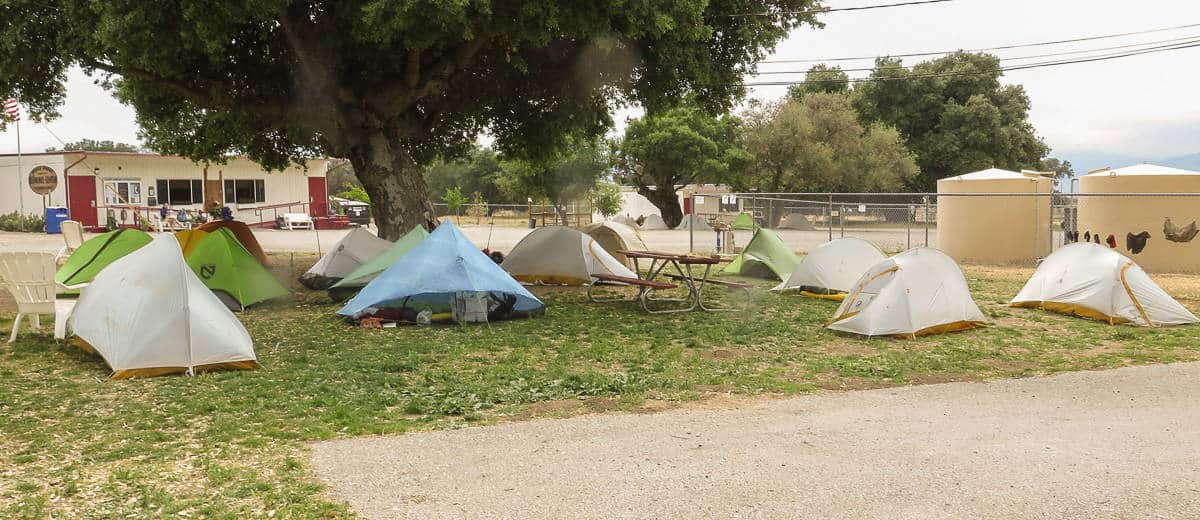
Your campsite isn't just a place to sleep; it’s a controlled environment designed to minimize olfactory "signals." In 2025, the "100-Yard Triangle" (also known as the Bear Triangle) is the industry standard for backcountry safety.
The 100-Yard Triangle setup involves:
- The Sleeping Zone: Place your tent upwind from your cooking area.
- The Cooking/Eating Zone: Located 100 yards away from your tent. This is where all food prep and consumption happens.
- The Storage Zone: Located 100 yards away from both your tent and your cooking area, forming the third point of the triangle.
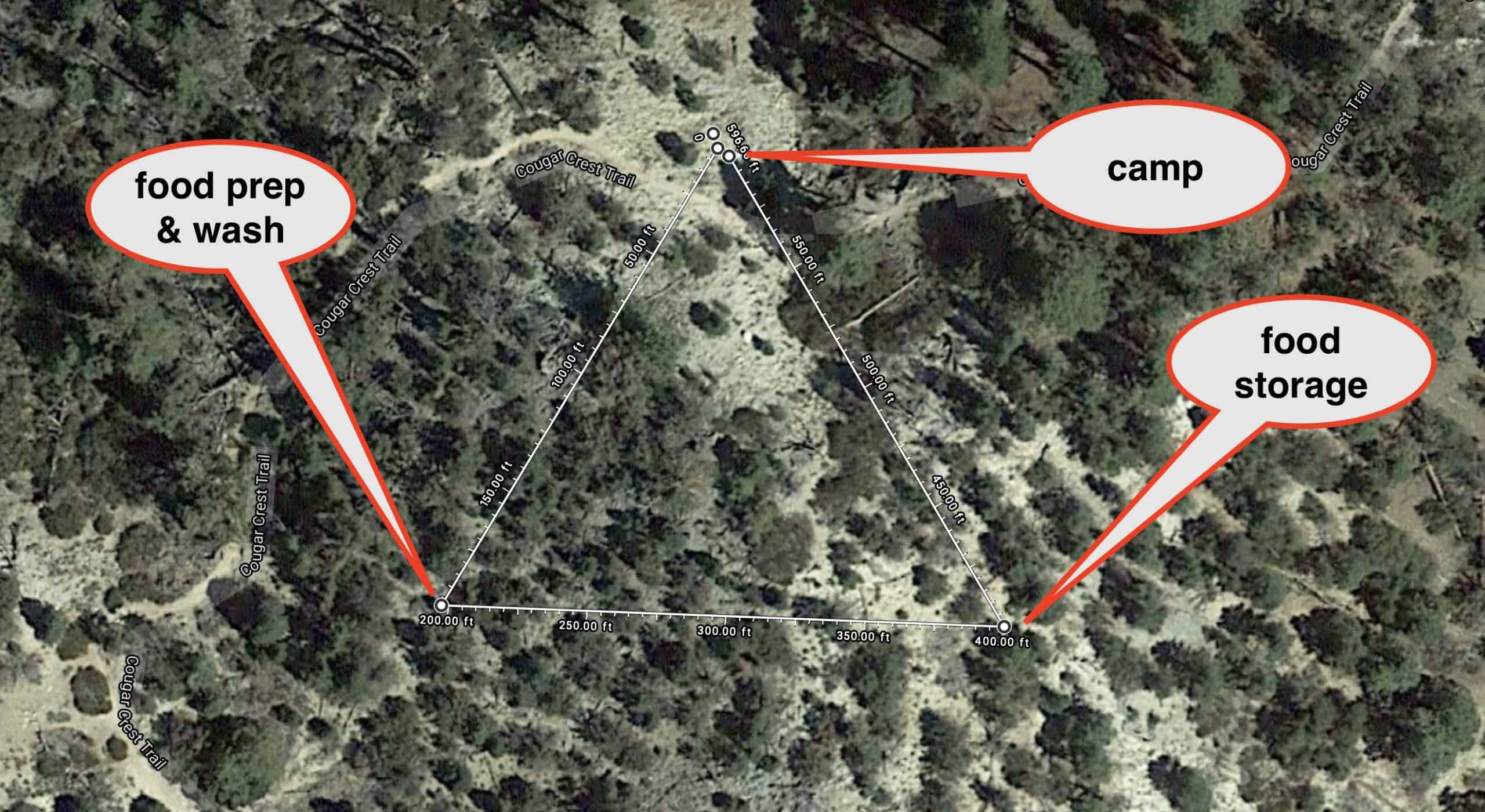
When selecting a site, avoid "natural highways." Ridges, stream banks, and the edges of berry patches are all high-traffic corridors for bears. Look for open areas with good visibility so you aren't surprised by a bear wandering through camp. Managing "smellables" is the most tedious but vital part of this process. It isn't just the dehydrated chili that attracts bears—it's your toothpaste, the grease on your stove, the wrappers in your pocket, and even the lip balm in your sleeping bag. If it has a scent, it goes in the canister.
2025 Food Storage Best Practices
Traditional "bear hangs" (counter-balancing bags in trees) are increasingly being banned in National Parks. Why? Because bears are smart, and most hikers are bad at tying knots. A bear that successfully raids a hang learns that humans are a source of high-calorie rewards.
Hard-Sided Canisters are the 2025 gold standard. They are virtually indestructible and don't require the perfect tree to be effective. You simply lock them and cache them 100 yards from your tent.
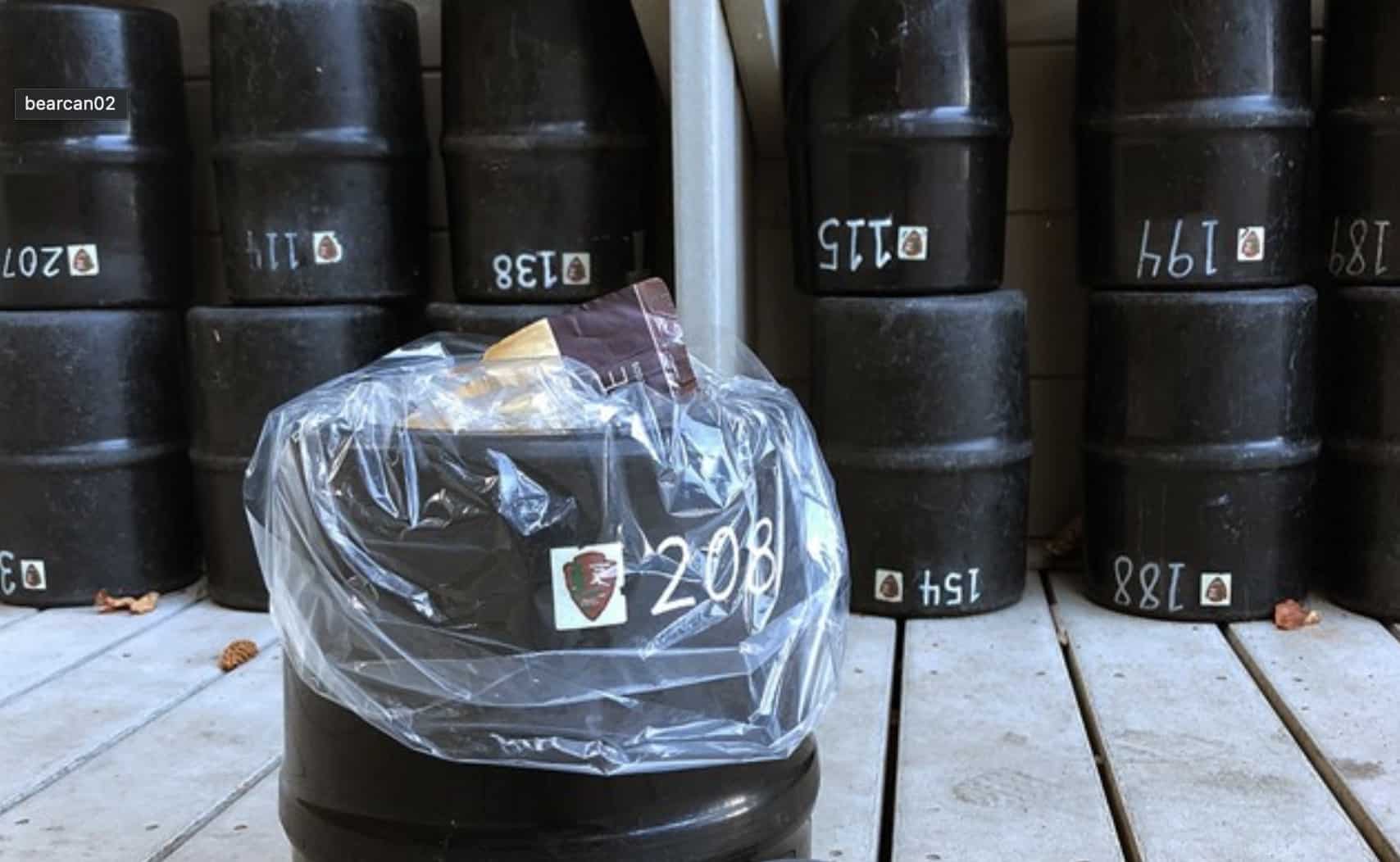
For those looking for lighter alternatives, Ursacks (made of bulletproof Kevlar-like material) are gaining popularity. While they prevent the bear from getting the food, they don't prevent the bear from crushing the food into a paste. For true peace of mind and total protection, I always recommend a hard-sided solution like the BearVault series.
Shop Professional Bear Canisters →
On the Trail: Proactive Avoidance
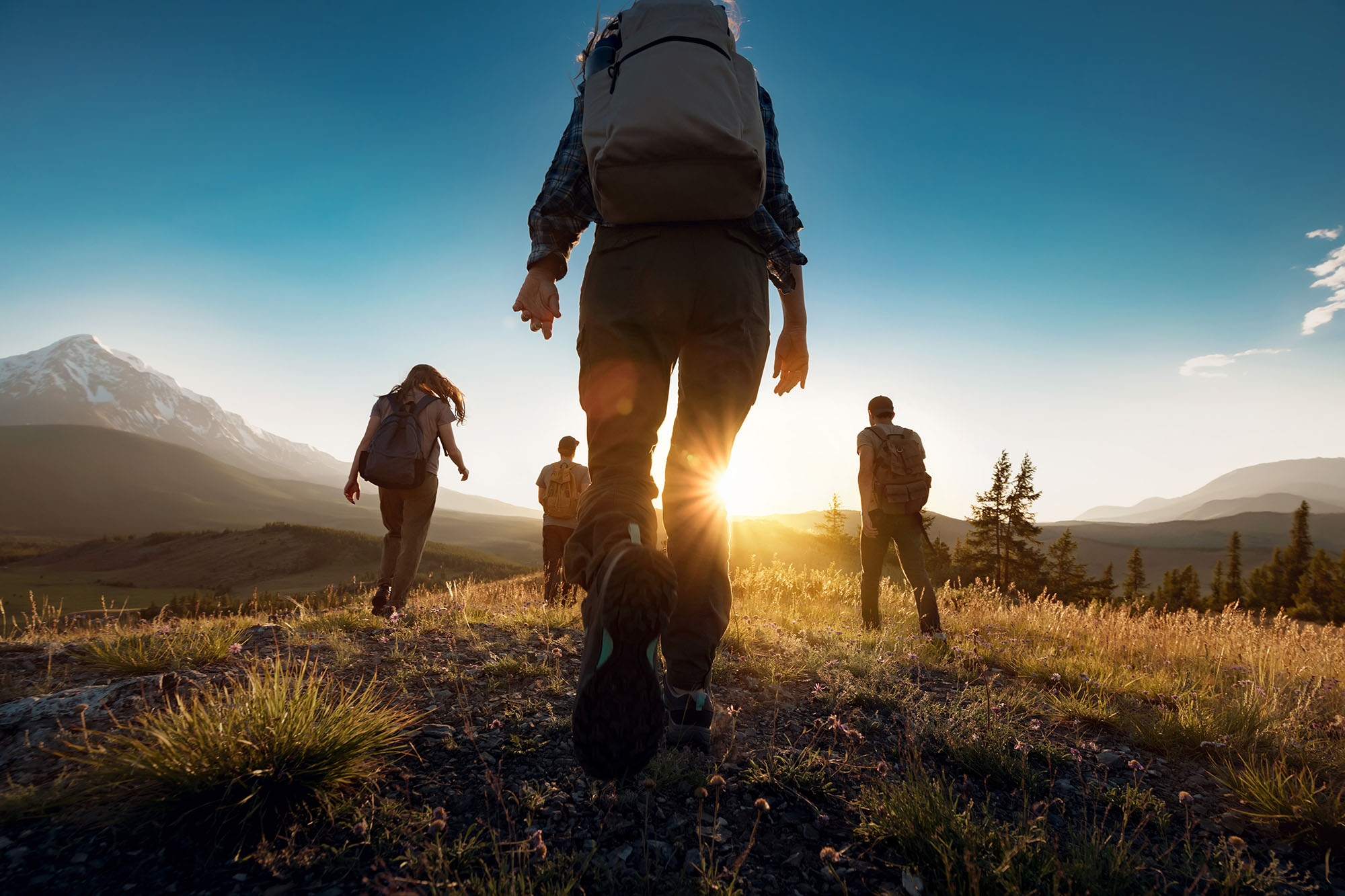
Most bear encounters are "surprise encounters." You turn a corner, the wind is in your face, and suddenly you’re 20 feet away from a 600-pound Grizzly. To prevent this, you need to be strategically loud. Forget "bear bells"—they are often too high-pitched and quiet to be effective. Instead, use your voice. A periodic "Hey bear!" or a loud conversation with your trail partners is far more effective at signaling your presence.
Warning: Bears are capable of sprinting at speeds up to 40 feet per second. If you see a bear at 100 feet, it can close that gap in less than three seconds. Early detection isn't just a suggestion; it's your only real defense.
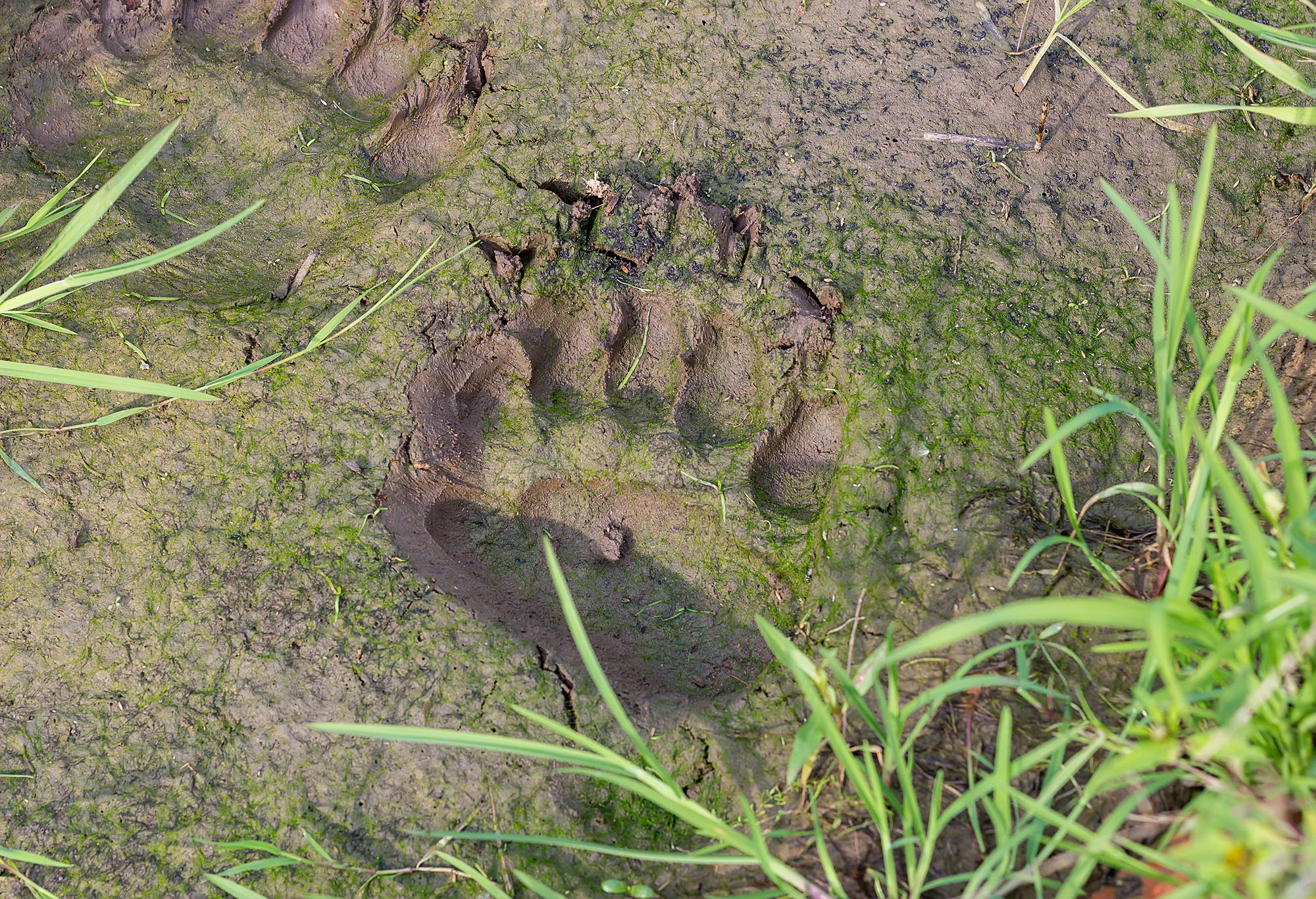
Keep your eyes peeled for signs: fresh scat (look for steam or berries), tracks, or overturned logs. If you see fresh signs, double your noise-making and stay extra vigilant during dawn and dusk—the primary "crepuscular" periods when bears are most active.
The Encounter: Defensive vs. Non-Defensive Responses
If you do come face-to-face with a bear, your reaction must match the bear’s behavior. This is the "Agitation Scale."
Defensive Encounters (Cubs, Carcasses, Surprise)
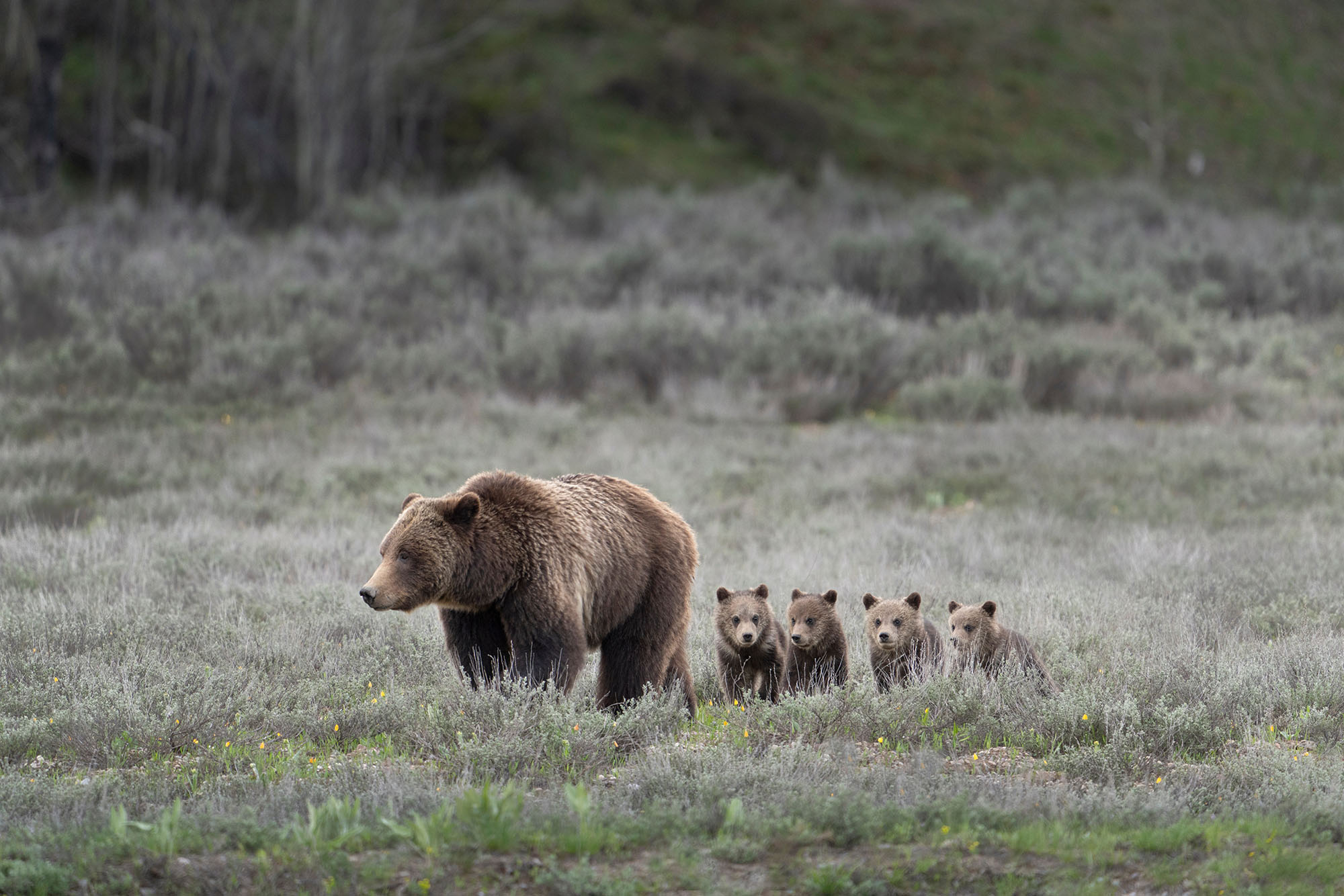
If a bear is huffing, clicking its teeth, or has its ears pinned back, it is likely feeling threatened. This is a defensive posture, especially common if it’s a mother with cubs or a bear guarding a kill.
- Action: Stay calm. Identify yourself as human by talking in a low, monotone voice.
- Movement: Do not run. Back away slowly and diagonally.
- Contact: If a Grizzly makes contact in a defensive situation, play dead. Lie flat on your stomach with your hands laced behind your neck and spread your legs to make it harder for the bear to flip you.
Non-Defensive/Curious Encounters
If a bear is following you, has its ears forward, and appears "locked in" on you without showing signs of agitation, it may be curious or, in rare cases, predatory.
- Action: Do not be submissive. Stand your ground.
- Energy: Get loud. Look as large as possible. Wave your arms or a jacket.
- Contact: If the bear attacks in this scenario, fight back with everything you have. Aim for the face and snout.
Bear Spray 101: Deployment and Maintenance
Bear spray is more effective than a firearm in most backcountry scenarios because it doesn't require "kill-shot" accuracy to stop a charge. However, it is only useful if you can reach it.
Tactical Deployment Steps:
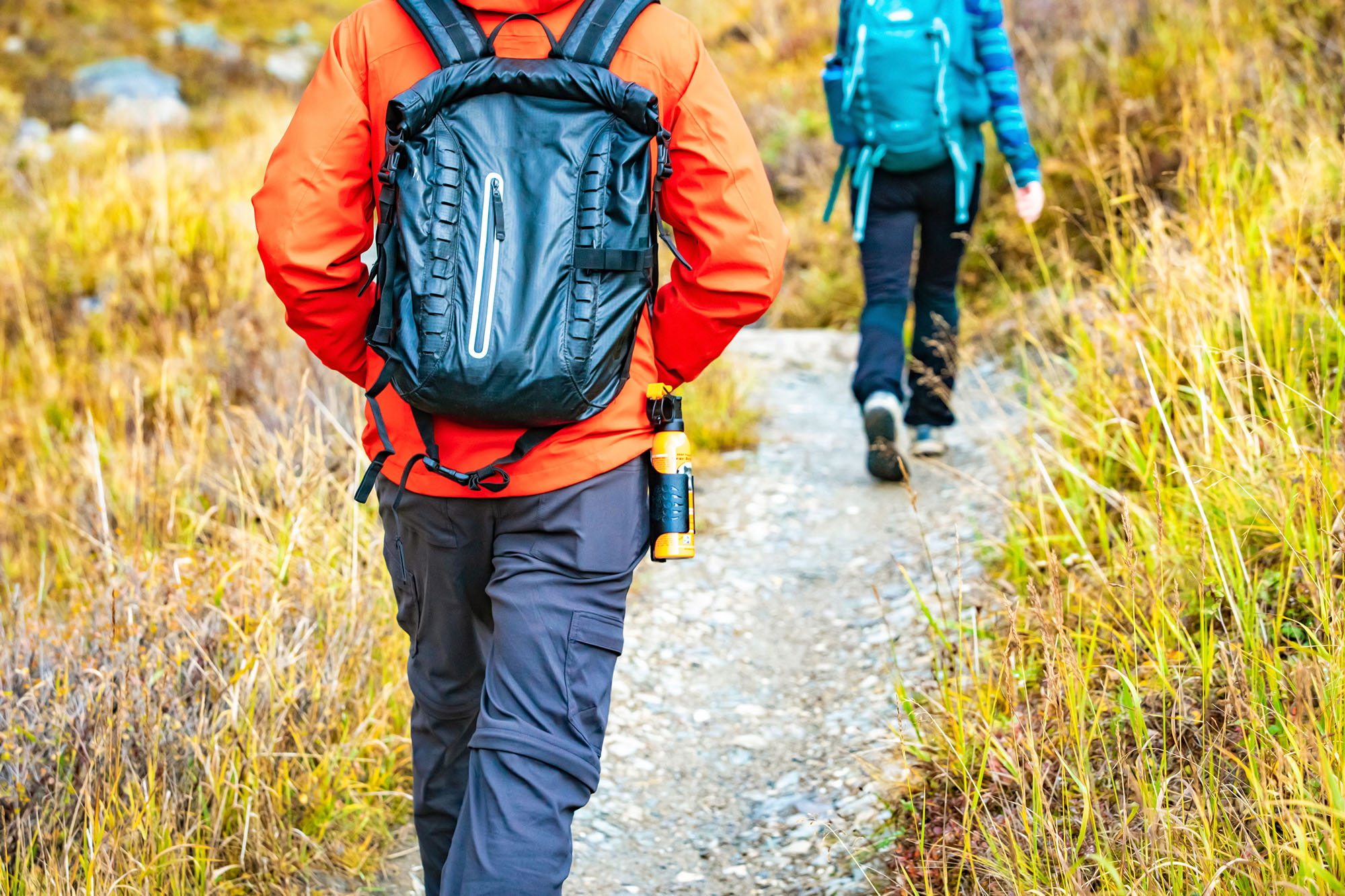
- Accessibility: Your spray must be on your hip or chest strap. If it’s in your pack’s side pocket, it’s useless.
- The 50-Foot Rule: When a bear charges, do not wait. Fire a 2-3 second burst when the bear is 50–60 feet away. Aim slightly downward; the cloud will rise.
- The Wall of Orange: Your goal is to create a physical barrier of irritant that the bear has to run through.
Maintenance Check: Always check the expiration date. The propellant in these cans loses pressure over time. Also, be aware of temperature sensitivity; if your spray freezes overnight, keep it in your sleeping bag to ensure it remains functional the next morning.
FAQ: Common 2025 Bear Safety Questions
Q: Can I just use a regular bell to scare bears away? A: Bear bells are largely ineffective. Most bears don't associate the "tinkle" of a bell with a human. Using your voice is the only reliable way to signal your presence across distances and through wind.
Q: Should I bring a dog into bear country? A: Dogs can be a double-edged sword. An unleashed dog may find a bear, provoke it, and then run back to you with the bear in tow. If you bring a dog, it must be on a leash at all times.
Q: Is bear spray dangerous to me if I use it? A: Yes, it is an extreme irritant. If you spray it into the wind, it will blow back on you. However, being temporarily blinded by your own spray is infinitely better than being mauled. Know the wind direction and have a plan.
Conclusion: Respect the Wild
Staying safe in bear country isn't about fear; it's about respect. By following the 100-yard triangle rule, carrying modern canisters, and keeping your bear spray accessible, you are taking responsibility for your role in the ecosystem. We go into the wild to experience its raw power, and there is no power more humbling than that of a bear.
Stay alert, stay vocal, and keep your food locked down. The wilderness is waiting—let's make sure we're prepared for it.