Quick Facts
- Portability vs. Performance: Inflatable kayaks are highly worth it for paddlers with limited storage or transportation, offering portability and stability that rivals hardshell models.
- The 2026 Top Pick: The Advanced Elements Airvolution is the best overall inflatable kayak for 2026 due to its high-pressure drop-stitch design that provides superior rigidity.
- Ultra-Lightweight Tech: Advanced TPU (Thermoplastic Polyurethane) models like the MRS Nomad S1D weigh under 10 lbs, making them roughly 80% lighter than standard 50 lb hardshell plastic kayaks.
- Longevity Secret: Proper maintenance involves rinsing with fresh water and ensuring the kayak is 100% dry before storage to prevent mildew and material degradation.
I’ve spent the better part of a decade dragging 60-pound hardshell kayaks across rocky beaches and trying to figure out how to store a 14-foot boat in a fourth-floor walk-up. It’s a logistical nightmare that keeps a lot of people off the water. But the industry has hit a tipping point. In 2026, the technology behind inflatable kayaks has reached a level where the "pool toy" stigma is officially dead.
Whether you’re a solo expeditionist looking for a backcountry packraft or a weekend warrior who just wants to keep a boat in the trunk of a Honda Civic, modern inflatables are the answer. Our team has spent the last six months putting dozens of the latest models through what we call the "Sedan and Small Apartment Tests" to find the gear that actually performs when the current picks up.
Why Trust Our 2026 Inflatable Kayak Reviews
Our review process isn't just about reading spec sheets. We are a team of guides, product designers, and solo expeditionists who live for the "off-the-beaten-path" experience. For this 2026 guide, we didn't just paddle on glassy lakes; we took these boats through Class III rapids, dragged them over oyster beds, and left them inflated in the sun to test seam integrity.
We evaluate every boat on three core pillars: Rigidity (how much does it flex under load?), Portability (can one person carry it comfortably?), and Setup Speed (how long from trunk to water?). We’ve found that high-pressure drop-stitch technology has bridged the gap, making modern inflatables just as stable—and sometimes more durable—than their plastic cousins.
Our Top Picks at a Glance
| Model | Weight | Best For | Price Category |
|---|---|---|---|
| AE Airvolution | 39 lbs | Overall Performance | Premium |
| Sea Eagle SE370 | 26 lbs | Budget/Recreational | Entry-Level |
| MRS Nomad S1D | 9 lbs | Packrafting/Backcountry | Premium |
| Wilderness iATAK | 48 lbs | Fishing/Stability | Pro-Level |
| Aquaglide Chelan | 38 lbs | Tandem Touring | Mid-Range |
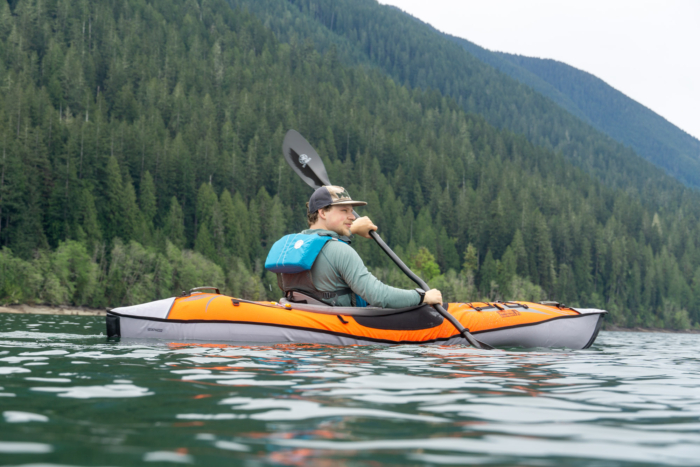
1. Best Overall Inflatable Kayak: Advanced Elements Airvolution
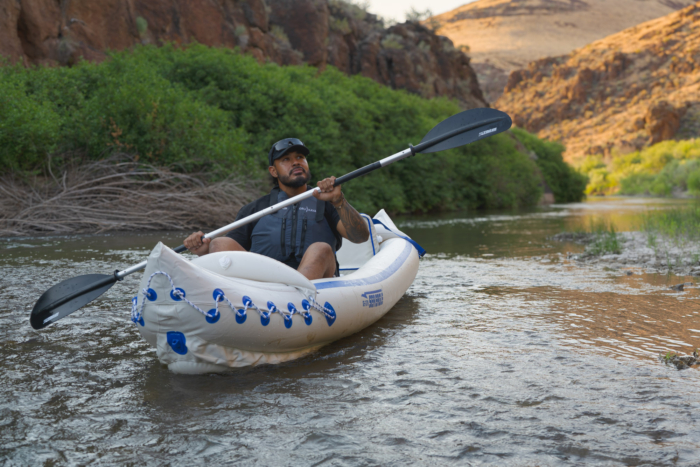
If you told me five years ago an inflatable could feel as stiff as a board, I would have laughed. The Advanced Elements Airvolution proved me wrong. This isn't just a kayak with some "stiff parts"—it is a full high-pressure drop-stitch construction from bow to stern.
The Airvolution holds pressure up to 10-12 PSI, which is massive compared to the 2-3 PSI found in traditional PVC tubes. When you're mid-stroke, there is zero "tacoing" (the boat bending in the middle). The V-shape hull at the bow and stern helps it track straight even in choppy coastal waters. It’s a bit heavier than some other inflatables, but that weight translates to a bombproof feel on the water.
- Pros: Incredible rigidity; easy-to-clean materials; handles wind better than most inflatables.
- Cons: Heavier to carry solo; higher price point.
- Best For: Serious paddlers who want hardshell performance with trunk-storage convenience.
Check Price on Advanced Elements →
2. Best Budget Choice: Sea Eagle SE370
The Sea Eagle SE370 is the "old reliable" of the inflatable world. It’s lightweight (26 lbs) and can carry a massive 500 lbs of gear and passengers. Is it a speed demon? No. But for under $400, it gets you on the water safely.
It uses a traditional I-beam floor construction, which means it’s bouncy and sits high on the water. This makes it vulnerable to crosswinds, so I wouldn't recommend it for open-ocean crossings. However, for a lazy afternoon on a mountain lake or a slow-moving river, it’s unbeatable for the price.
- Pros: Extremely affordable; very durable Polykrylar hull; includes everything to get started.
- Cons: Tracking is subpar; vulnerable to windage.
- Best For: Families and casual weekenders on calm water.
3. Best Lightweight / Packraft Hybrid: MRS Nomad S1D
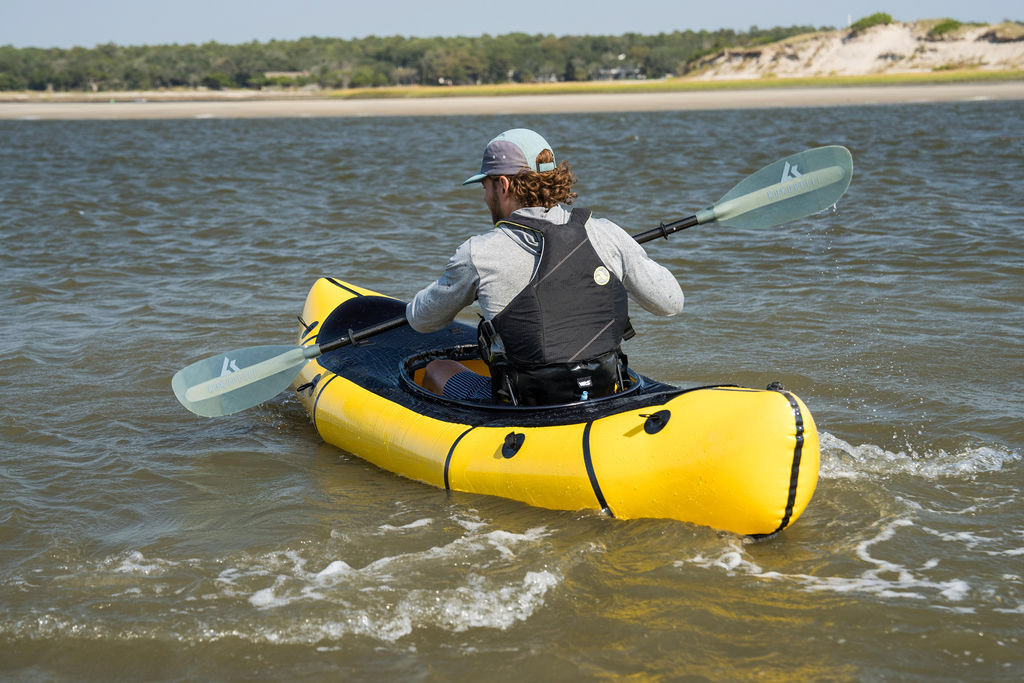
This is where the tech gets really exciting. The MRS Nomad S1D is crafted from advanced TPU, making it roughly 80% lighter than standard 50 lb plastic kayaks. At under 10 lbs, I can literally strap this to my mountain bike or toss it in a hiking pack for a multi-day expedition.
Unlike traditional wide packrafts that "waddle" when you paddle, the Nomad S1D features a long, narrow hull that tracks surprisingly well. It’s a hybrid that bridges the gap between a technical kayak and an ultra-portable raft.
- Pros: Incredible weight-to-performance ratio; highly puncture-resistant TPU.
- Cons: Narrow cockpit can feel tight for larger paddlers.
- Best For: Solo expeditionists and backcountry explorers.
4. Best Inflatable Fishing Kayak: Wilderness Systems iATAK 110
The Wilderness Systems iATAK 110 is a beast. Most inflatable fishing kayaks feel "mushy" when you try to stand up to cast, but the iATAK uses a rigid keel insert and a high-pressure floor that creates a rock-solid platform.
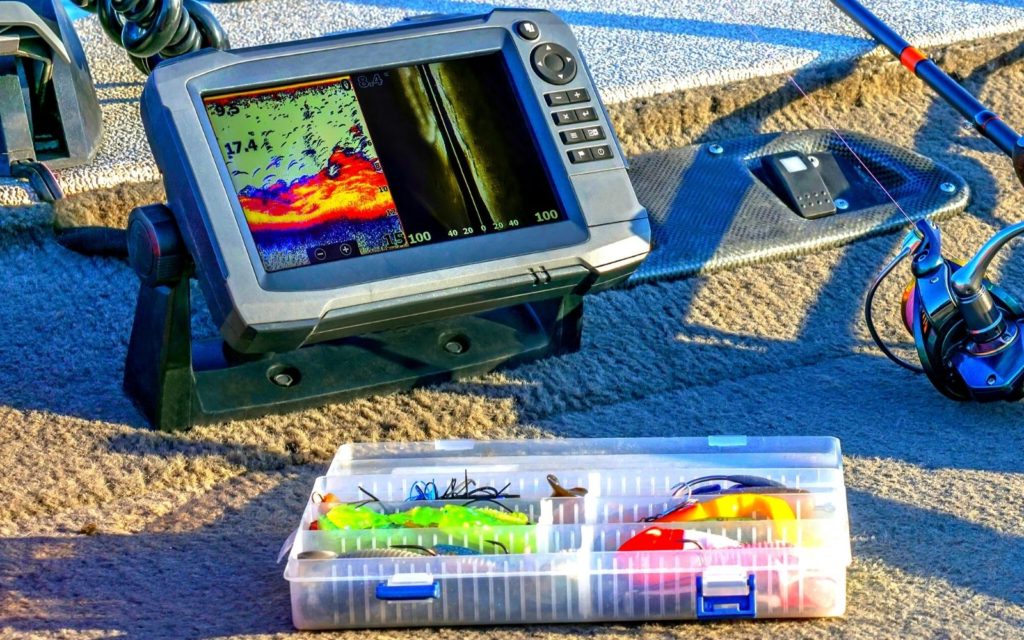
The standout feature is the aluminum frame mesh seat. It sits high, giving you a great vantage point for spotting fish, and it’s comfortable enough for a 6-hour session. It also features a mounting utility for fish finders and rod holders, making it a true tournament-ready vessel.
5. Best Folding Kayak: Oru Kayak Beach LT Sport
While technically a "folding" kayak, the Oru Beach LT Sport competes in the same space as inflatables. It’s made of a single sheet of double-layered polypropylene that folds up like origami. At 28 lbs, it’s incredibly fast to assemble once you get the hang of it (about 5 minutes).
Because it has a hard shell (once unfolded), it has the fastest tracking in this group. The V-shaped hull in the bow and stern allows it to slice through water that would push a traditional inflatable off course.
6. Best Pedal-Drive Inflatable: BOTE Lono Aero
The BOTE Lono Aero is for the person who wants it all. It’s a kayak, it’s a SUP, and it’s a pedal-drive vessel. Using BOTE’s AeroBULT technology, this boat can handle 10-15 PSI, providing a platform so stable you can walk around on it.
The optional Apex Pedal Drive is a game-changer for long-distance mobility. If you’re covering several miles to get to a secret fishing spot, your legs are much more efficient than your arms.
7. Best Whitewater Specialist: AIRE Tributary Spud
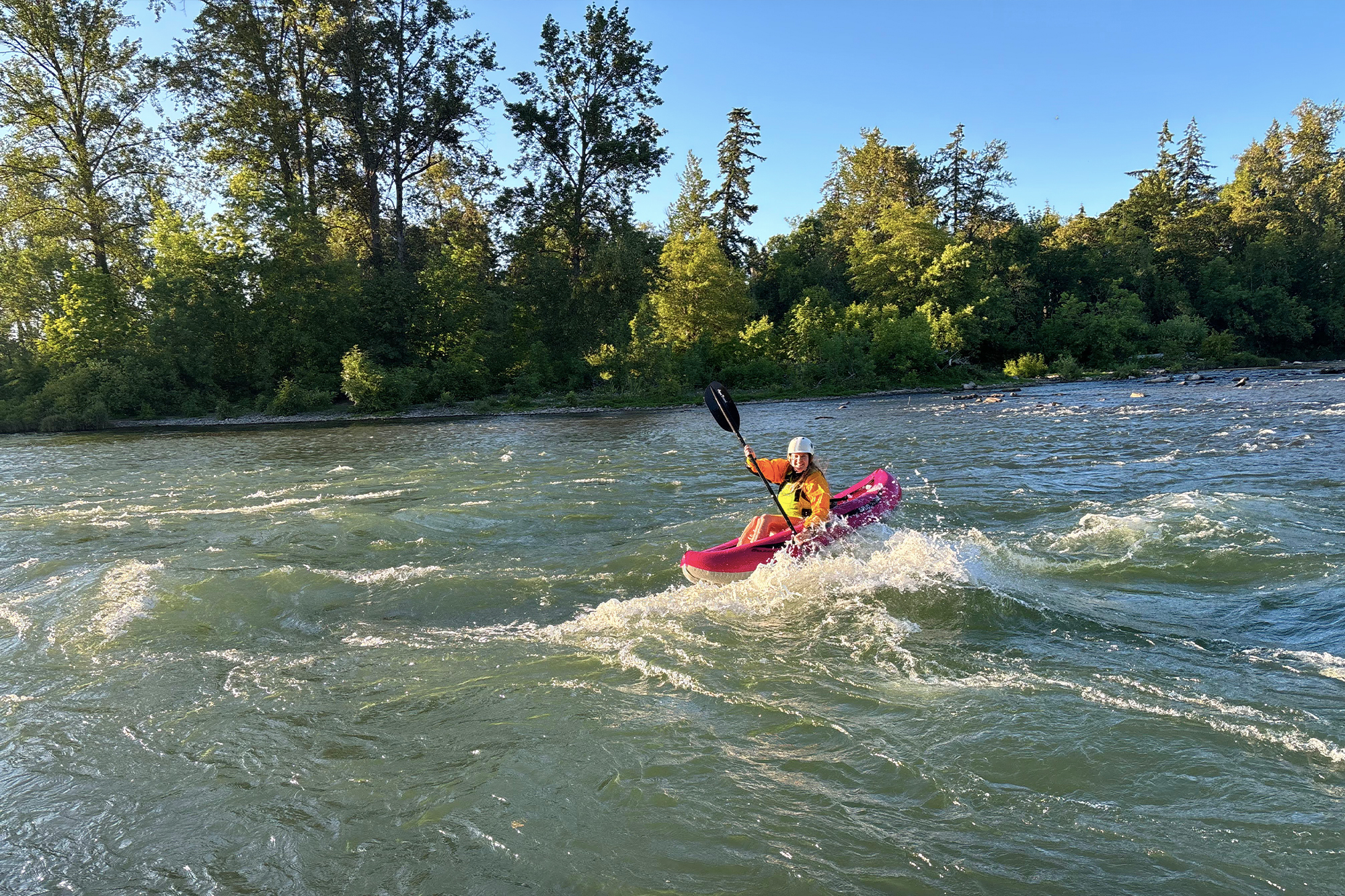
When things get bumpy, you want the AIRE Tributary Spud. Designed specifically for younger paddlers or smaller adults, this boat is built for Class III and IV rapids. It’s short, punchy, and has massive buoyancy.
The self-bailing floor is the hero here; water that splashes in from waves drains out instantly through the bottom, keeping the boat light and maneuverable in technical water.
8. Best 2-Person / Tandem: Aquaglide Chelan 155
For touring couples or gear-heavy solo campers, the Aquaglide Chelan 155 is the gold standard. At 15 feet long, it has a 600 lb capacity, meaning you can bring the dog, the cooler, and enough camping gear for a week.
The drop-stitch floor provides the rigidity needed for two people to paddle in sync without the boat sagging in the middle. It’s a true touring machine designed for long days on the water.
9. Best Touring Inflatable: Gumotex Rush 2
The Gumotex Rush 2 uses a unique Nitrilon material (synthetic rubber) rather than standard PVC. It’s incredibly eco-friendly, dries almost instantly, and is famous for its durability in cold weather.
What makes it a touring winner is the convertible seating. You can set it up as a solo for a long trip or a tandem for a quick afternoon cruise. Its hydrodynamic shape allows for a much higher cruising speed than typical "wide" inflatables.
10. Best Kayak/SUP Hybrid: ISLE Switch Pro
The ISLE Switch Pro is essentially a high-end paddleboard that transforms into a kayak. Because it’s a full drop-stitch deck, it’s incredibly thin and light. It uses a patent-pending linkage system to attach the seat and footbraces anywhere on the deck.
If you like to switch between standing and sitting depending on the wind or your energy levels, this is the most versatile boat on the list.
11. Best Maneuverability: Kokopelli Platte
If you're navigating tight mangroves or twisty creeks, you need the Kokopelli Platte. It features a flat-bottomed design that sits on top of the water rather than deep in it.
Our field tests show that flat-bottomed inflatable kayaks like the Kokopelli Platte can complete a 360-degree turn with 30% fewer strokes than V-shaped hull designs. It’s the ultimate "pivot and go" boat for technical environments.
Inflatable vs. Hardshell Kayaks: Which is Right for You?
The debate used to be about performance—hardshells were fast, inflatables were slow. Today, the debate is about lifestyle.
| Feature | Inflatable Kayak | Hardshell Kayak |
|---|---|---|
| Storage | Fits in a closet | Needs a garage/rack |
| Transport | Any car trunk | Requires roof racks |
| Weight | 10–40 lbs | 45–80 lbs |
| Durability | High (TPU/PVC) | High (Rotomolded) |
| Setup Time | 5–10 minutes | 0 minutes |
While a hardshell still has a slight edge in top-end speed due to hull thinness, the 80% weight reduction seen in advanced TPU inflatables is a trade-off most modern paddlers are happy to make.
How to Choose: Inflatable Kayak Buying Guide
Hull Shapes: Pontoon vs. V-Shape
Pontoon-style boats (like the Sea Eagle) offer maximum primary stability but are slower. V-shaped hulls (like the Airvolution) slice through water and wind but can feel "tippy" to beginners. If you want a mix of both, look for a flat-bottomed boat with a removable tracking fin.
Construction: PVC vs. TPU
Standard PVC is durable and affordable, but it’s heavy and can crack over years of folding. TPU (Thermoplastic Polyurethane) is the premium choice for 2026. It's lighter, more abrasion-resistant, and more environmentally friendly.
Inflation: Valves Matter
Don't settle for "cheap" plastic valves. Look for Halkey-Roberts or Leafield C7 valves. These high-pressure valves are the industry standard and allow you to reach the PSI necessary for hardshell-like rigidity.
Care and Maintenance for Longevity
If you take care of an inflatable, it will last 10+ years. If you don't, it will last two. Proper maintenance involves rinsing with fresh water and ensuring the kayak is 100% dry before storage to prevent mildew and material degradation.
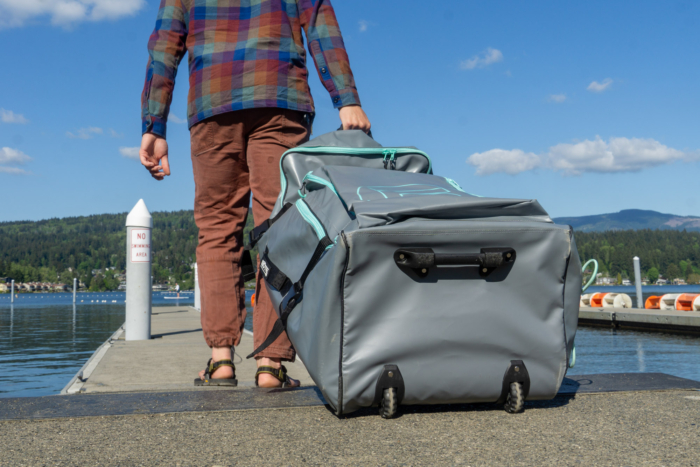
Expert Tip: Never store your kayak in a hot garage while it's still damp. The "steam" created inside the bag can weaken the glue on the seams. I always wipe mine down with a microfiber towel and leave it out in the living room for an hour before packing it away.
FAQ
Are inflatable kayaks puncture-prone? Modern high-end inflatables are made from military-grade PVC or TPU. You can literally drag them over rocks and branches without issue. They are much tougher than most people realize.
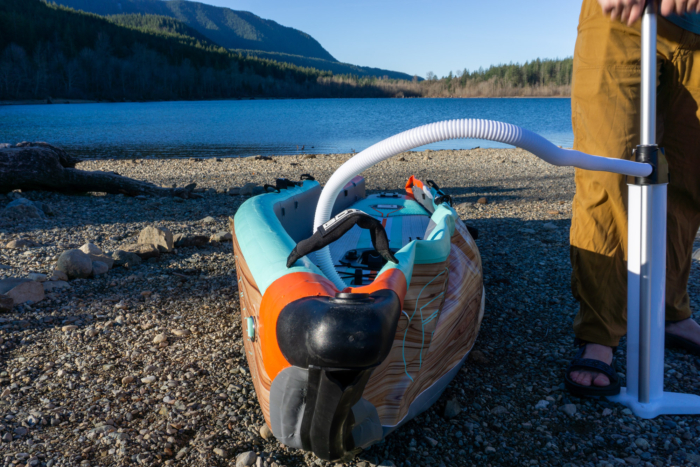
How long does it take to inflate a kayak? With a high-quality double-action hand pump, most solo kayaks take 5 to 8 minutes. Electric pumps can do it in about 4 minutes while you get your gear ready.
Can I take an inflatable kayak on the ocean? Yes, but you need a model designed for it. Look for "high-pressure drop-stitch" hulls and a "tracking fin" (skeg) to help handle tides and crosswinds.
Conclusion
The "best" kayak is the one that actually gets you on the water. If you've been sitting on the sidelines because you don't have a truck or a garage, 2026 is your year. From the ultra-rigid Advanced Elements Airvolution to the feather-light MRS Nomad, there is a boat that fits your lifestyle.
Modern inflatable kayaks have bridged the performance gap, offering a premium paddling experience without the storage headaches of a hardshell. So, pick your vessel, grab a paddle, and I'll see you at the trailhead.