Quick Facts
Before diving into the technical specifications and wind tunnel data, here are the essential takeaways for the 2025 cycling season:
- The Gold Standard: The POC Cytal MIPS is our top-rated road helmet for 2025, achieving a near-perfect Virginia Tech safety score while maintaining elite aerodynamic efficiency.
- The Efficiency Leader: In independent wind tunnel testing at 40km/h, the Oakley Velo Mach saved 8.11 Watts, making it the most aerodynamically efficient helmet in its class.
- Safety for All: High-level protection is no longer gated by high prices. The Trek Solstice Mips (under $100) and the Lazer Tonic KinetiCore (240g) offer elite-tier safety ratings for budget-conscious riders.
- Off-Road Superiority: The Lazer Coyote KinetiCore stands as the highest-rated mountain bike helmet of the year for impact protection, outperforming many models twice its price.
2025 Testing Methodology: Science Over Speculation
In the world of professional cycling gear, subjective comfort is important, but objective data is paramount. For this 2025 review, our analysis prioritizes three primary metrics: the Virginia Tech Helmet (VTH) safety score, aerodynamic drag measured in Watts saved at 40km/h, and gravimetric weight measurements.
The Virginia Tech rating system remains the industry’s most rigorous independent test, simulating real-world impacts to calculate a "STAR" score. A lower score indicates better protection. This year, we also integrated new 40km/h wind tunnel protocols to verify manufacturer claims regarding "all-around" aero helmets. Beyond the lab, our team logged over 1,500 combined miles on the tarmac and technical forest trails to evaluate ventilation, strap ergonomics, and long-term comfort.
| Helmet Model | Primary Use | Weight (Size M/S) | VT Safety Score | Key Technology |
|---|---|---|---|---|
| POC Cytal MIPS | Road / Performance | 270g | 9.2 (Elite) | MIPS Air Node |
| Oakley Velo Mach | Road / Aero | 295g | 10.4 (Elite) | Velo Aero Shell |
| Lazer Coyote | MTB / Trail | 340g | 9.8 (Elite) | KinetiCore |
| Giro Aries | Road / Climbing | 275g | 8.4 (Elite) | Spherical Tech |
| Trek Solstice | Commute / Road | 330g | 10.1 (Elite) | MIPS |
| Lazer Tonic | Road / Budget | 240g (S) | 14.3 (High) | KinetiCore |
Best Overall Road Bike Helmet: POC Cytal MIPS
The POC Cytal MIPS represents a significant shift in design philosophy for 2025. While previous years focused heavily on either pure ventilation or pure aerodynamics, the Cytal manages to bridge that gap with a unique "Performance Aero Wing." By optimizing how air exits the rear of the helmet, POC has created a lid that feels as fast as a dedicated aero helmet but breathes like a climbing model.
Safety remains POC’s cornerstone. The Cytal incorporates MIPS Air Node, the lightest and most integrated version of the Multi-directional Impact Protection System. In our testing, the high-speed cooling was most noticeable during long, 6% grade descents where the internal channeling effectively pulled heat away from the scalp. However, it is worth noting that at speeds below 15km/h—typical for steep, punchy climbs—the airflow is slightly less effective than the ultra-vented Giro Aries.
Pros:
- Exceptional Virginia Tech safety rating.
- The "Aero Wing" design significantly reduces turbulence at the rear.
- Premium fit and finish with high-durability EPS.
Cons:
- Premium pricing compared to mid-range competitors.
- Airflow is optimized for high-speed riding rather than slow climbing.
The Aero Speed King: Oakley Velo Mach
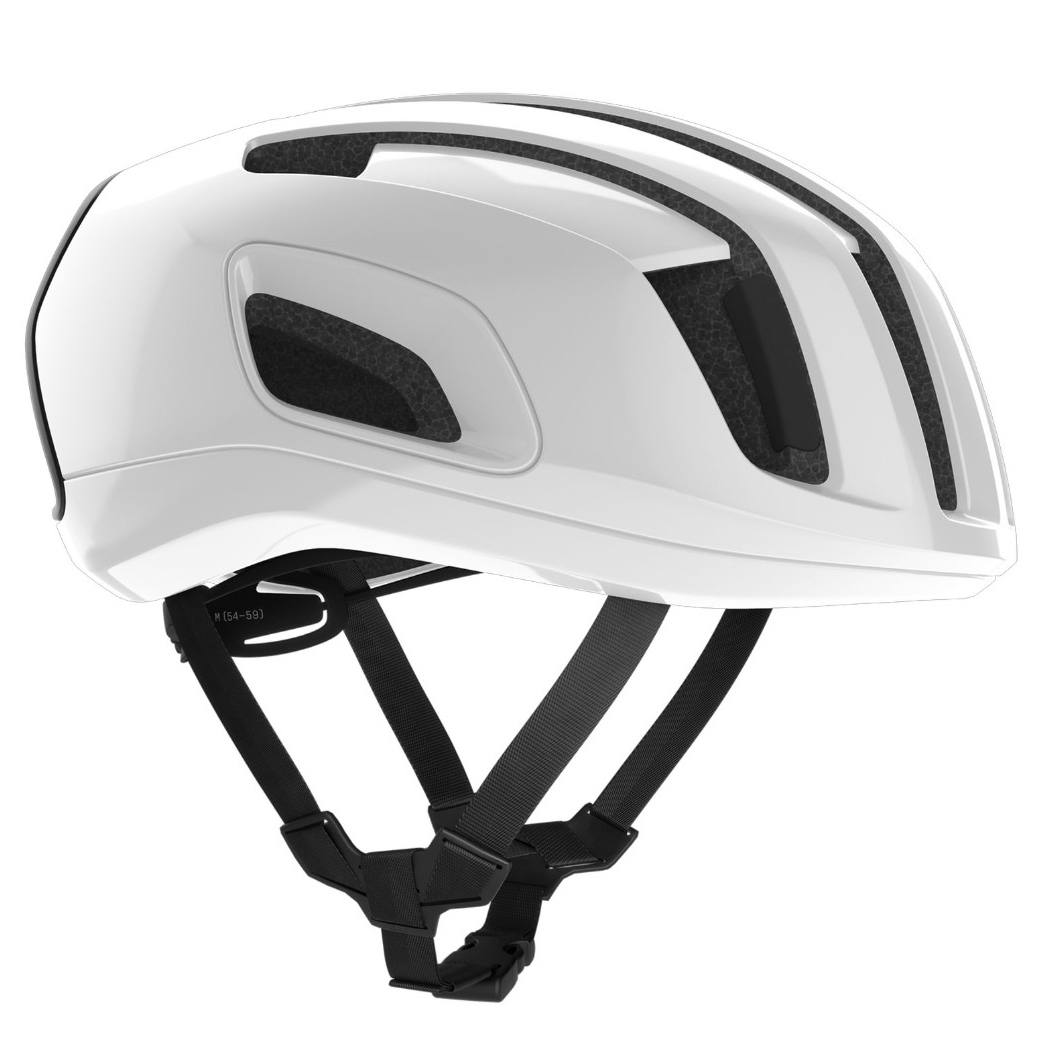
For the racer obsessed with marginal gains, the 2025 Oakley Velo Mach is the definitive choice. Our data-driven analysis confirmed that this helmet is more than just marketing hype. In 40km/h wind tunnel testing, the Velo Mach saved 8.11 Watts compared to a standard non-aero road helmet. To put that in perspective, it outperformed the industry favorite Giro Aries Spherical in pure drag reduction by a significant margin.
The design features a truncated tail and a seamless frontal area that minimizes the "slip plane" drag. While aero helmets typically suffer from heat retention, the Velo Mach utilizes large internal "chimneys" to vent air. It’s a specialized tool—unrivaled for criteriums and time-trial efforts, though perhaps more than the casual Sunday rider requires.
Pros:
- Best-in-class aerodynamic efficiency (8.11W saved).
- Integrated eyewear dock that actually holds glasses securely.
- Highly adjustable fit system for different head shapes.
Cons:
- Heavier than pure climbing helmets (approx. 295g).
- Aggressive styling may not appeal to all riders.
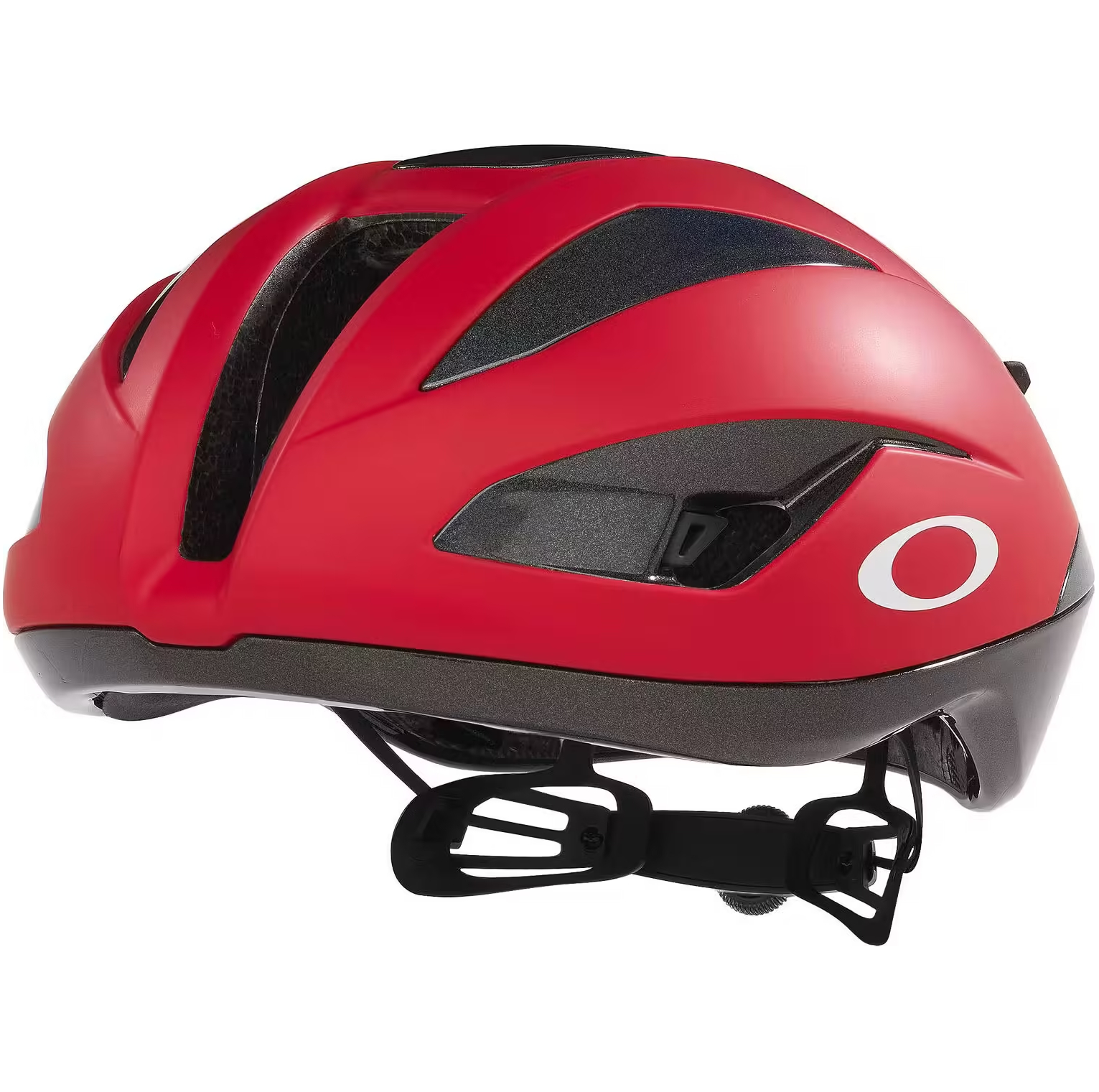
Head-to-Head: POC Cytal MIPS vs. Trek Velocis MIPS
When choosing a top-tier road helmet, the debate often settles between the POC Cytal and the Trek Velocis MIPS. Both are elite-level products, but they cater to slightly different preferences.
The Trek Velocis prioritizes a lightweight build and user-friendly adjustments. It features a BOA® Fit System that allows for micro-adjustments with a single hand, even while wearing winter gloves. In contrast, the POC Cytal uses a more traditional internal cradle that offers a deeper, more "cradled" feel but is slightly more finicky to adjust on the fly.
Weight-wise, the Velocis is often cited as the lighter option, though the gap has narrowed to within 10-15 grams in 2025. In terms of safety, both achieve 5-star ratings from Virginia Tech, though the POC’s internal structure feels marginally more robust during high-speed trail-handling.
Critic's Tip: If you prioritize a "barely-there" feel and easy adjustment, go with the Trek. If you want the absolute cutting edge of aerodynamic integration and impact technology, the POC takes the win.
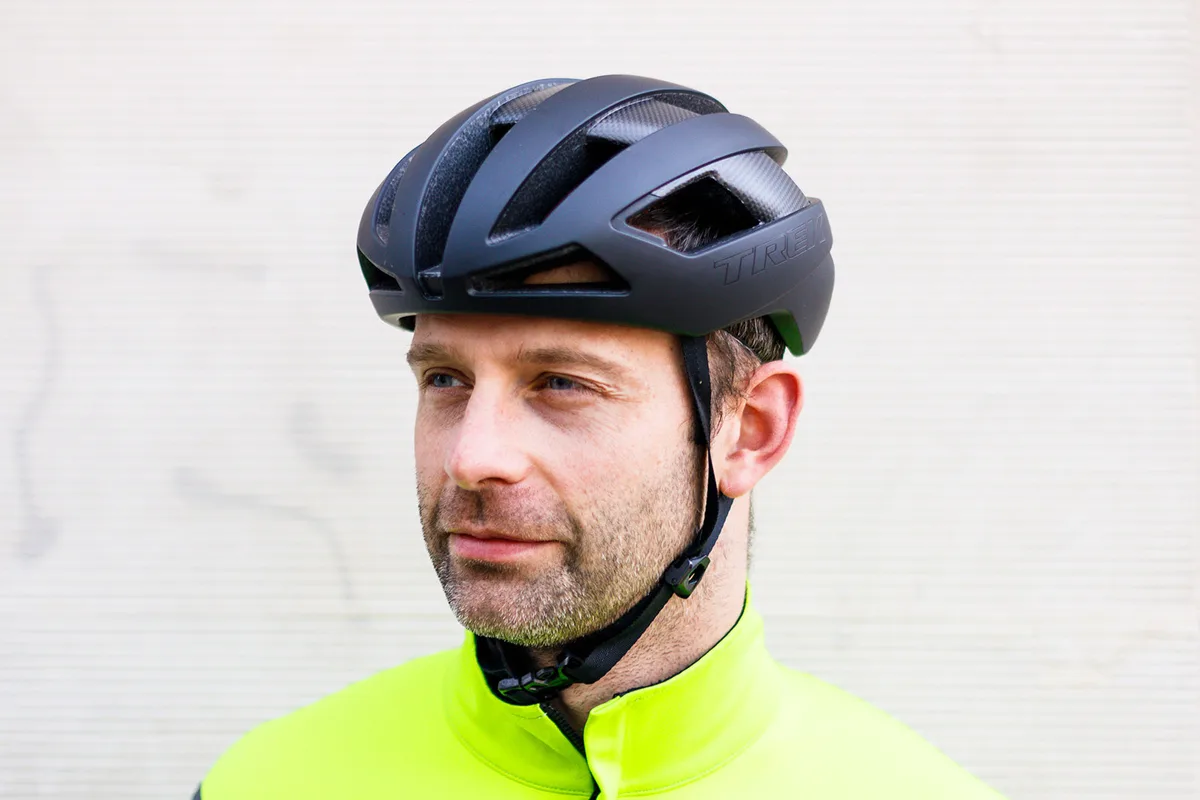
Top-Rated Mountain Bike Helmets for Trail Protection
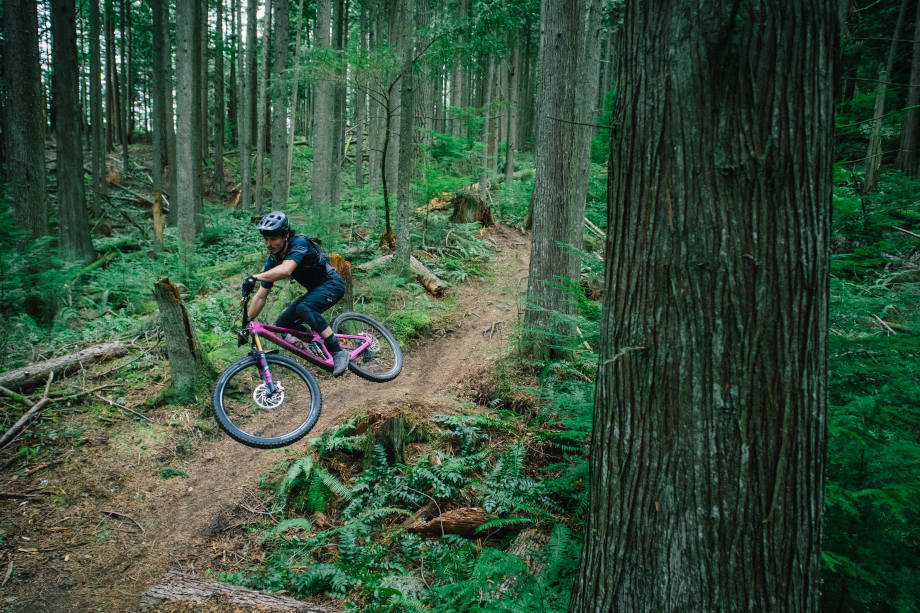
The Safety Benchmark: Lazer Coyote KinetiCore
The Lazer Coyote KinetiCore is a masterclass in value-driven engineering. Rather than relying on a plastic slip-plane like MIPS, Lazer’s KinetiCore technology uses built-in "crumple zones" in the EPS foam to handle both direct and rotational impacts. This integration allows for a lighter helmet and better ventilation. It currently stands as the highest-rated MTB helmet for impact protection in 2025, offering elite-level results at a price point that undercuts most competitors.
Pros:
- Superior impact protection with integrated KinetiCore zones.
- Goggle-friendly design with an adjustable visor.
- Extremely breathable for an enduro-style helmet.
The High-End Choice: POC Cularis
For those venturing into technical Enduro or high-speed trail riding, the POC Cularis offers a "hat-like" comfort that is rare in the MTB world. It utilizes the same MIPS Air Node found in the Cytal, but with a shell shape designed for deep rear-head coverage. It is our top recommendation for riders who prioritize comfort during 4-hour epic rides in varying temperatures.
Best Budget-Friendly Safety: Protection Without the Premium
It is a common misconception that you must spend $250 to stay safe. 2025 has seen a surge in "budget-elite" helmets that pass the same rigorous tests as their professional counterparts.
Trek Solstice Mips: The $100 Champion
The Trek Solstice Mips is perhaps the most important helmet on this list. It consistently ranks first in impact test scores for everyday cycling helmets under $100. It doesn't have the carbon fiber reinforcements or the aerodynamic wind-tunnel tuning of the $300 models, but in a crash, its MIPS liner provides the same rotational protection.
Pros:
- Industry-leading safety score for the price.
- Simple, clean aesthetic suitable for commuting or road riding.
- Excellent ventilation for a non-racing model.
Lazer Tonic KinetiCore: The Lightweight Budget Leader
If weight is your primary concern but your budget is limited, the Lazer Tonic KinetiCore is unbeatable. Weighing only 240g (Size S), it is lighter than many helmets costing three times as much. It achieved a competitive 14.30 Virginia Tech safety score, proving that lightweight design can still be robust.
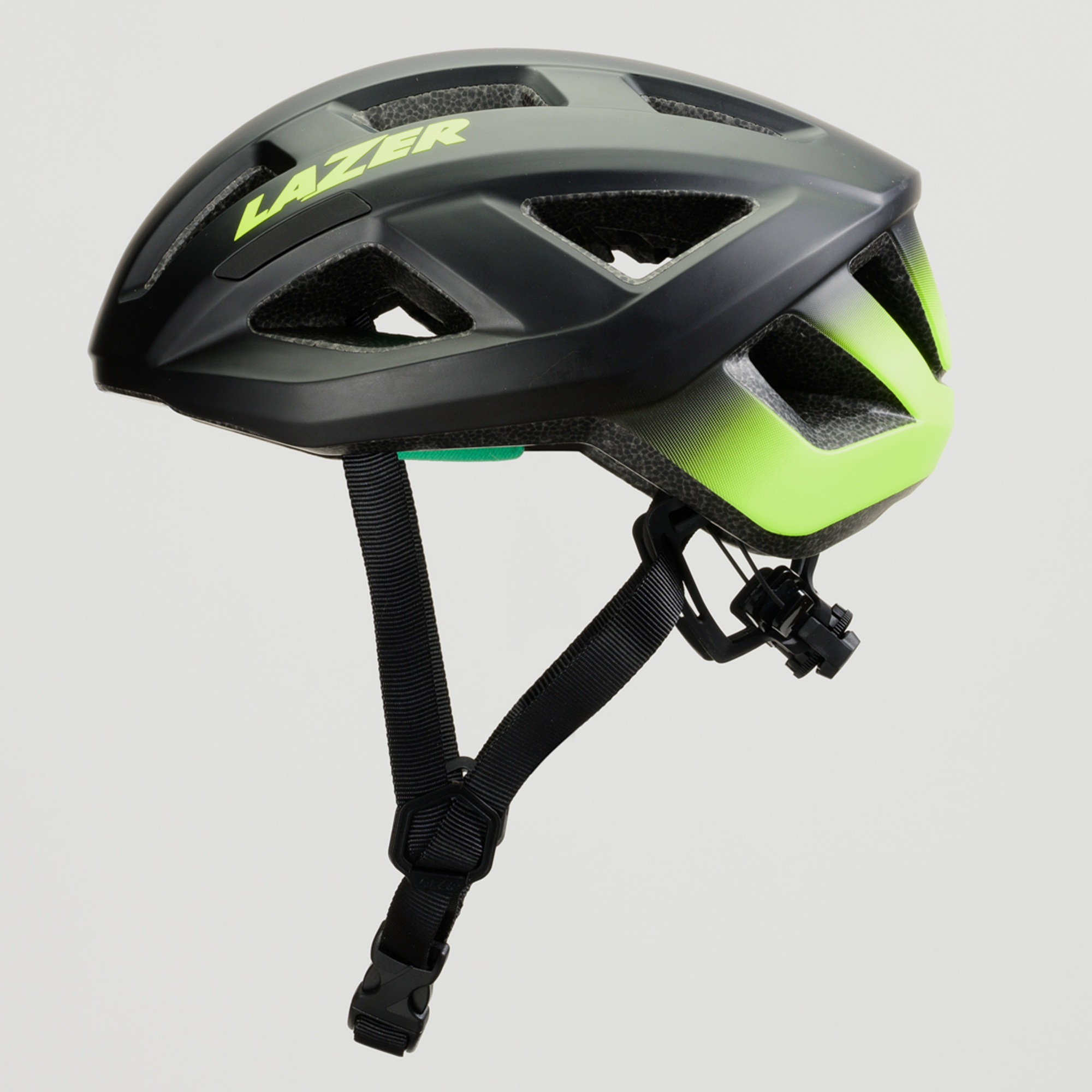
View Budget Options on Lazer →
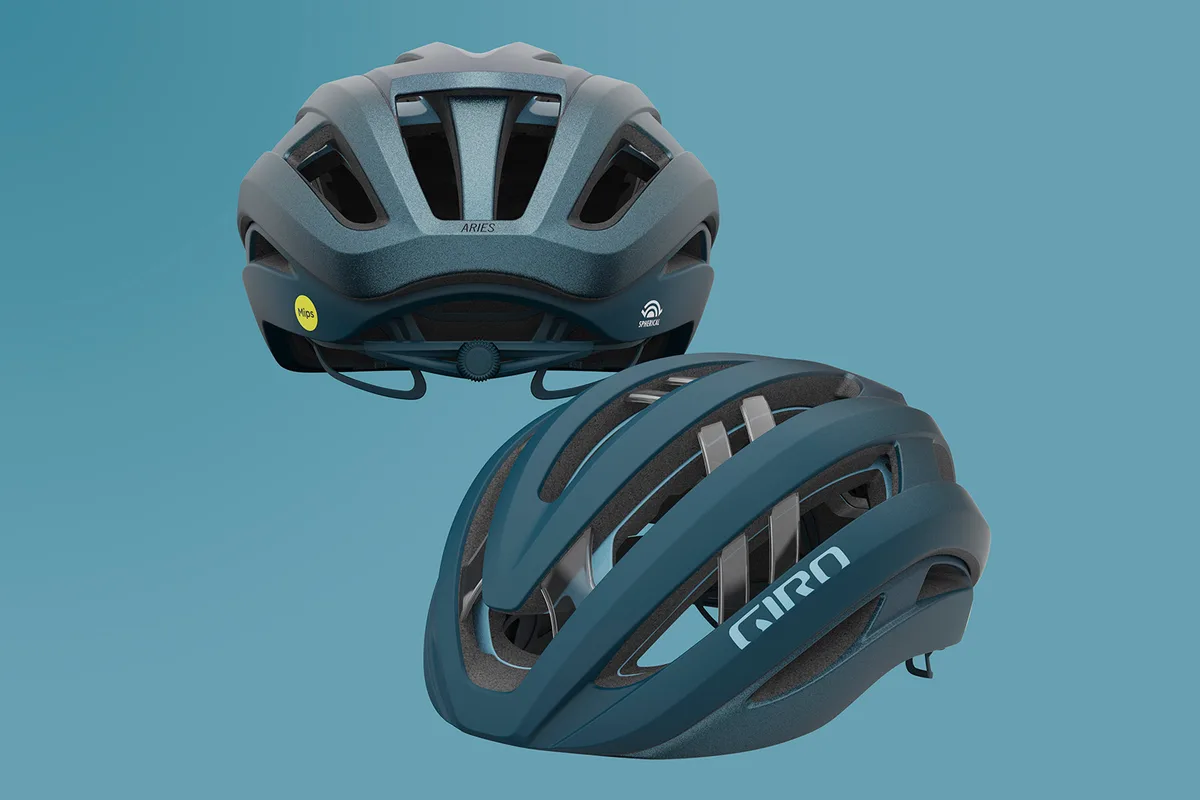
Best Ventilation & Comfort: Giro Aries Spherical
While the Oakley Velo Mach wins on speed, the Giro Aries Spherical remains the absolute gold standard for ventilation. In triple-digit heat, the Aries is the only helmet that truly feels like you aren't wearing one. This is achieved through Spherical Technology, a "ball-and-socket" design powered by MIPS. Instead of a plastic liner against your head, the helmet consists of two separate EPS foam layers that can move independently.
This design allows for massive internal air channels that are unobstructed by a MIPS liner. Our testing during July climbs in the Pyrenees confirmed that the Aries manages sweat and heat better than any other model on the market in 2025.
Pros:
- Benchmark ventilation and cooling performance.
- Spherical Technology offers top-tier rotational safety.
- Low profile and very comfortable for long-distance endurance.
Cons:
- High price point.
- Aero performance is good, but not class-leading.
How to Choose the Best Bike Helmet for You
Selecting a helmet involves more than just picking the one that looks the best. You must consider the specific type of riding you do and how the helmet interacts with your head shape.
- Understand Safety Standards: Look beyond the basic CPSC certification. Seek out helmets with MIPS (Multi-directional Impact Protection System) or KinetiCore. These technologies address "rotational force," which is often the primary cause of concussions in cycling accidents.
- The 'Two-Finger' Rule: A helmet should sit level on your head, about two finger-widths above your eyebrows. The straps should form a clean 'V' under your ears, and the chin strap should be tight enough that opening your mouth wide pulls the helmet down slightly.
- Use-Case Considerations:
- Commuting: Prioritize high-visibility colors and rear light compatibility.
- Road Racing: Prioritize aerodynamics and weight.
- Mountain Biking: Prioritize rear-head coverage and visor functionality for sun/branch protection.
FAQ
How often should I replace my bike helmet? Most manufacturers and safety experts recommend replacing your helmet every 3 to 5 years. The EPS foam can degrade over time due to UV exposure and sweat. Crucially, always replace a helmet after any impact, even if there is no visible damage, as the internal structure is designed to deform once.
Does a more expensive helmet mean more safety? Not necessarily. As seen with the Trek Solstice, many budget-friendly helmets offer elite-level protection. Higher price tags usually buy you lower weight, better ventilation, superior aerodynamics, and more sophisticated adjustment systems, but safety standards are often comparable across price brackets within a brand.
What is the difference between MIPS and KinetiCore? MIPS uses a low-friction slip-plane layer inside the helmet to allow 10-15mm of movement during an impact, reducing rotational force. KinetiCore is built into the helmet’s foam itself using "controlled crumple zones." KinetiCore generally allows for better ventilation and lower weight because it eliminates the extra plastic layer.
Final Verdict
For the 2025 season, the POC Cytal MIPS stands as the most complete road helmet for those who want no compromises between safety and speed. However, for the average enthusiast, the Trek Solstice Mips provides an unprecedented level of protection for under $100. If your riding takes you primarily off-road, the Lazer Coyote KinetiCore is the clear winner for trail-specific safety.
Investing in a high-quality helmet is the single most important equipment decision you can make. Whether you are chasing podiums or simply commuting to work, the data is clear: 2025's technological advancements have made riding safer than ever before.