Quick Facts
- Instant Protection: Integrated knee pads provide an immediate barrier against sharp shale, cactus spines, and frozen earth, allowing you to transition from walking to glassing or shooting without scouting the ground for "soft spots."
- Enhanced Stability: Field tests in rugged Montana terrain show that hunters using knee pads are 65% more likely to maintain a steady shooting position on uneven, rocky slopes compared to those without protection.
- The "Inchworm" Advantage: Low-profile, integrated pads enable the silent "inchworm" crawl—the gold standard for spot-and-stalk hunting—by eliminating gear clatter and protecting your joints during high-stakes stalks.
- Essential Features: For high-performance hunting, prioritize three non-negotiables: a silent exterior fabric, a low-profile anatomical design, and a secure fit that doesn't migrate during steep climbs.
The Brutal Reality of the Backcountry: Why Your Knees Are at Risk
I’ve spent the better part of two decades chasing mule deer across the high-alpine basins of the West, and if there’s one thing I’ve learned, it’s that the backcountry is an absolute meat grinder for the human body. We obsess over our pack weight and our glass, but we often ignore the literal interface between us and the mountain: our knees. When you’re three miles deep into a wilderness area, your knees aren't just joints; they are your landing gear, your tripod, and your engine.
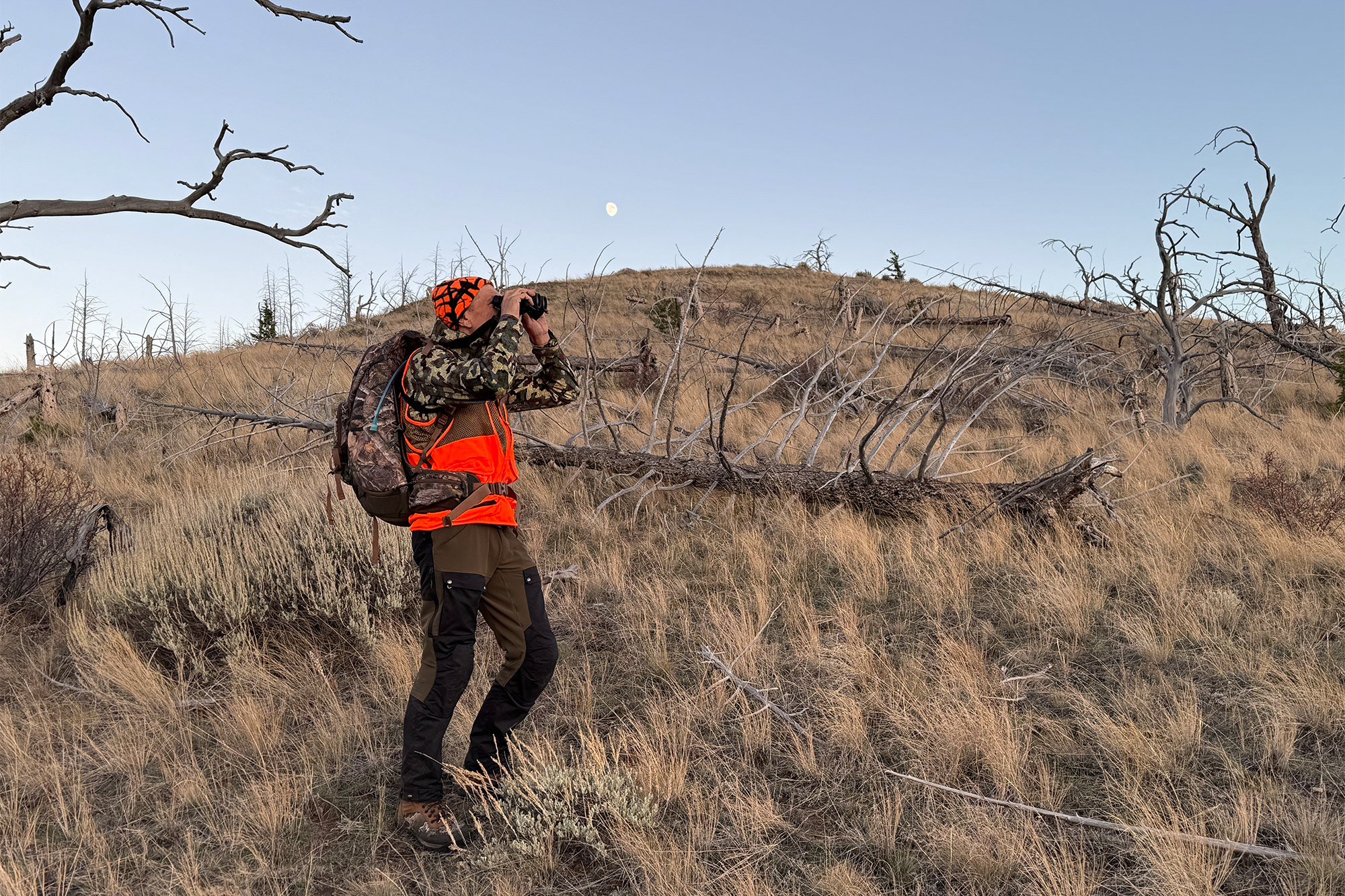
The physical toll of glassing ridgelines for hours and crawling through sagebrush is immense. You aren't just walking; you’re side-hilling across loose scree, dropping to your knees to avoid being busted by a bedded buck, and kneeling on frozen ground that sucks the heat right out of your bones. Common terrain hazards like sharp shale, prickly pear cactus, and hidden granite shards turn every "drop and glass" moment into a gamble with pain.
Integrated knee pads are essential for backcountry hunting because they provide instant protection against these sharp rocks and thorns. They allow you to stay in a glassing or shooting position for extended periods without the nagging physical discomfort that causes you to fidget—and fidgeting is what gets you spotted. Instead of spending five seconds clearing a "clean" spot to kneel, you simply drop. That speed is often the difference between a filled tag and a story about "the one that got away."
Stability at the Moment of Truth: Shooting from a Kneeling Position
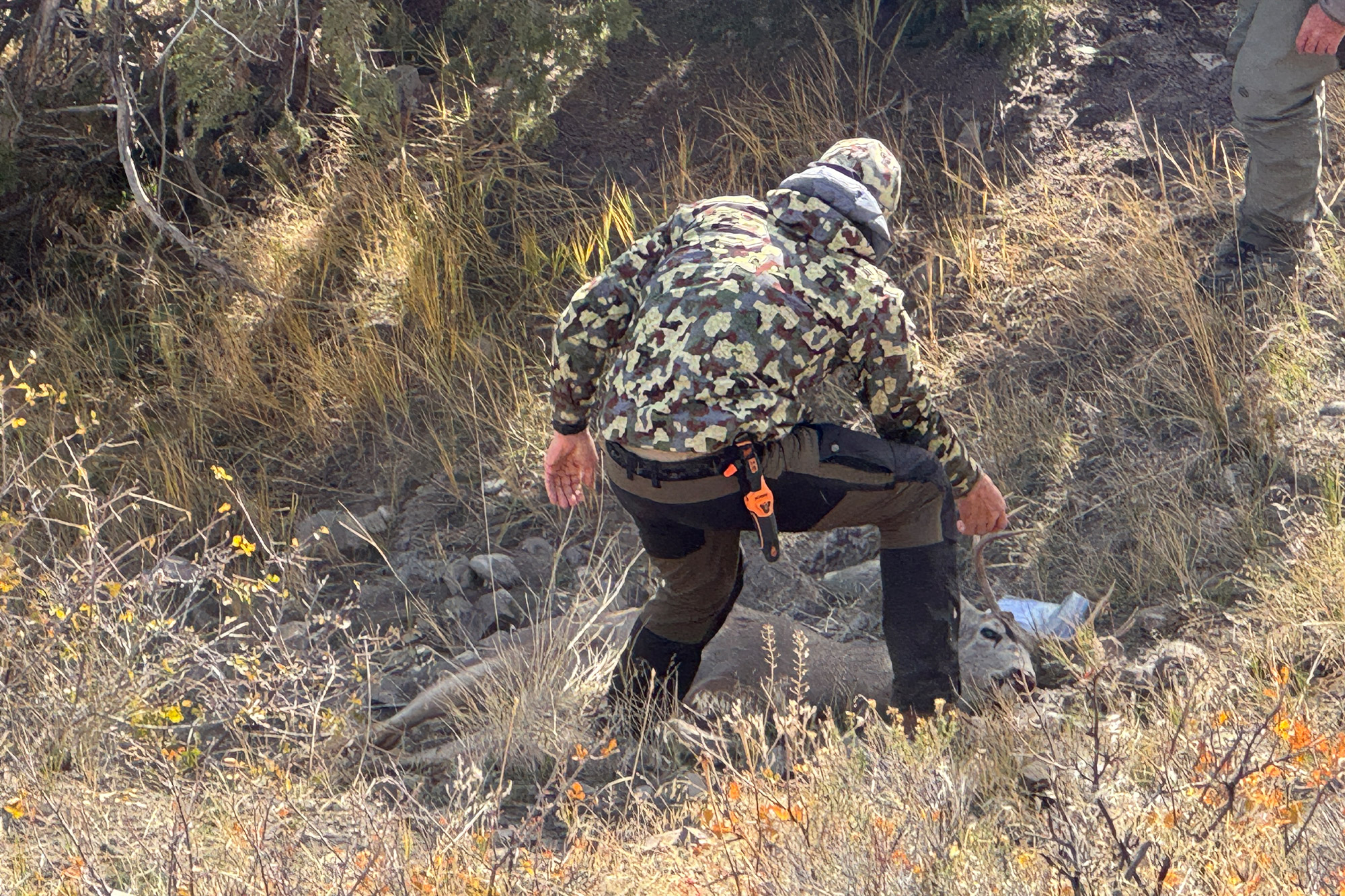
We all practice on flat ranges, but the mountain rarely offers a level bench. When that buck steps out of the timber 300 yards across a canyon, your most likely shooting position is going to be kneeling. Without protection, your knee is balancing on the point of a rock or sliding on loose gravel. You’re unstable, you’re hurting, and your crosshairs are dancing.
A stable base is the difference between a clean harvest and a missed opportunity. This isn't just anecdotal gear-talk; it’s backed by data. Field testing in rugged Montana terrain indicated that hunters using integrated knee pads were 65% more likely to maintain a stable shooting position on uneven, rocky slopes compared to those without protection. The padding conforms to the irregularities of the ground, creating a "footprint" that anchors you to the hillside.
For spot-and-stalk hunting, knee pads with molded foam or gel are superior. They offer full coverage and impact protection during those long, grueling periods spent in awkward kneeling positions while you wait for a buck to stand up from his midday bed. Unlike hard plastic tactical shells, high-end hunting pads distribute your weight evenly, preventing the "pins and needles" sensation that leads to leg cramps in the moment of truth.

Pro Tip: When glassing, don't just sit on your butt. Use a "high kneel" with one knee down on your pad. This elevates your chest and head, giving you a better angle over tall sage and allowing you to pivot your tripod more fluidly.
Stealth Tactics: Moving Like an 'Inchworm' Undetected
Stealth in the backcountry isn't just about camo patterns; it’s about silhouettes and sound. When you’re closing the final 100 yards on a bedded deer, you aren't walking—you’re "inchworming." This involves staying as low as possible, often moving on hands and knees to stay below the brush line or to mimic the low-profile movement of a predator.
Without knee pads, an inchworm crawl is a form of self-torture. Every pebble feels like a mountain, and every cactus spine is a landmine. More importantly, the lack of padding makes you move "heavy." You tend to thud your knees down to get the pain over with, creating vibrations and noise that deer can detect from incredible distances.
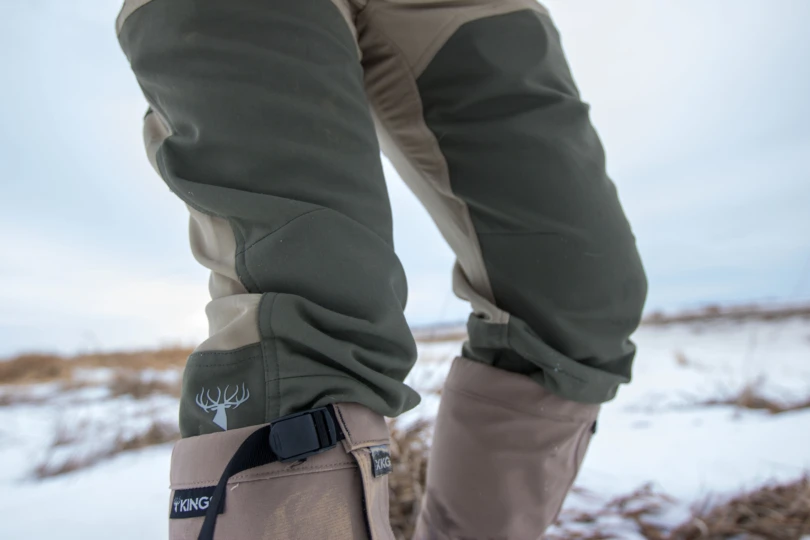
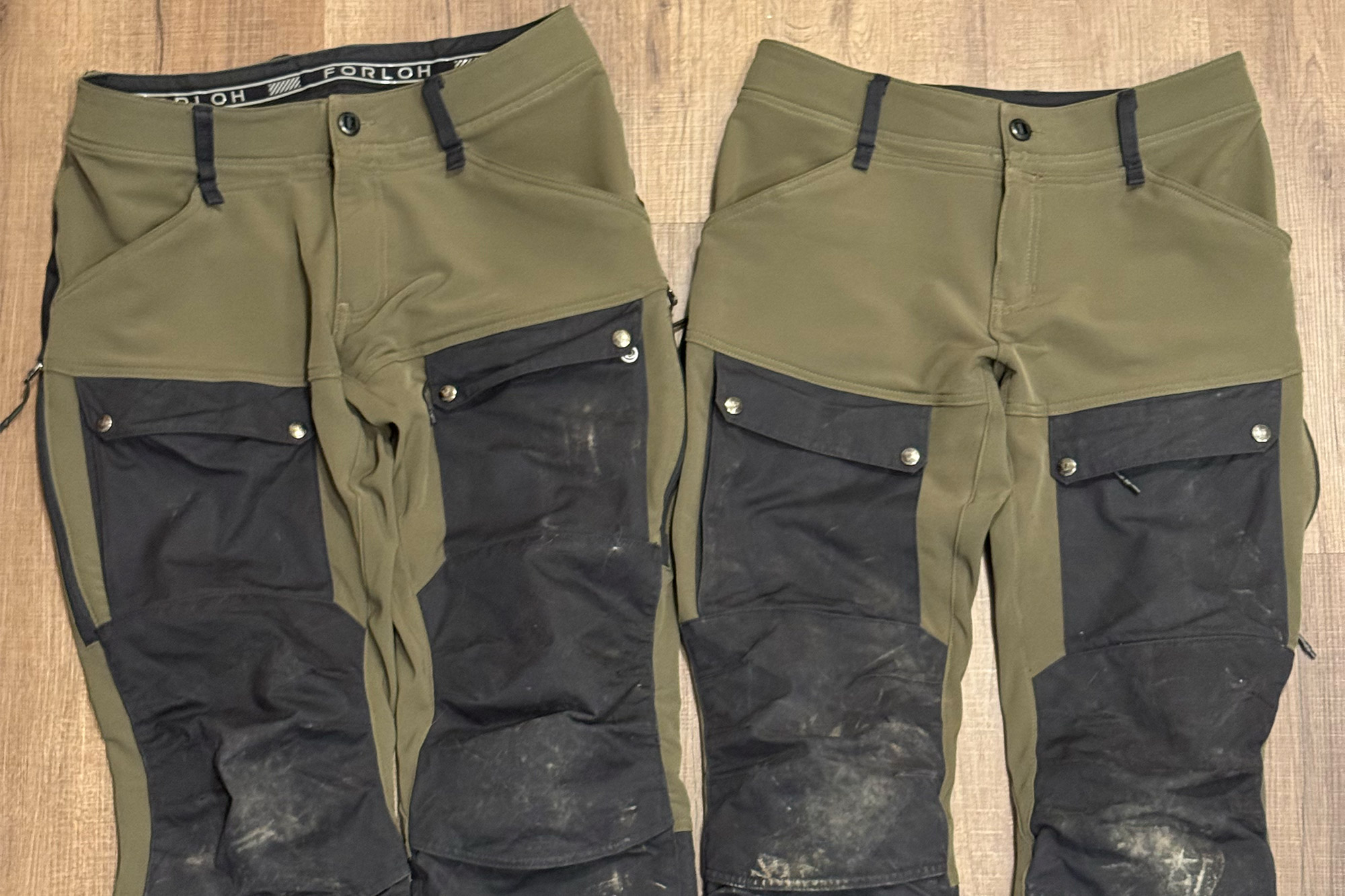
Using pliable, integrated knee pads allows you to drop and freeze instantly the second an animal looks your way. You don't have to worry about where your knee lands; you can focus entirely on the animal's eyes. This silence is paramount. Integrated designs, like those found in the FORLOH BTM Pro Pant, eliminate the "gear clank" and the annoying fabric swish often associated with external strap-on pads. Because the pad is built into the garment, there are no plastic buckles to snap against a rock or straps to pinch your hamstrings and restrict blood flow.

Choosing the Right Gear: Integrated vs. External Pads
When you’re staring at a gear wall or scrolling through a website, the choices can be overwhelming. Do you go with the classic strap-ons or invest in high-end technical pants with built-in sleeves? From my experience in the field, the choice depends on how much you value your mobility and silence.
The three must-have features for hunting knee pads are a quiet exterior material to avoid spooking game, a low-profile design for unrestricted movement, and a secure fit that stays in place during high-exertion climbs. External pads often fail on the last two counts; they tend to slide down to your ankles during a steep ascent, or the straps bite into the back of your knees, causing chafing after the first five miles.
| Feature | Integrated Knee Pads (Internal) | External Strap-On Pads |
|---|---|---|
| Noise Level | Silent (encased in fabric) | Can be noisy (plastic/elastic) |
| Stay-Put Power | Excellent (moves with the pant) | Poor (often slides down) |
| Comfort | High (no strap pressure) | Moderate (chafing is common) |
| Weight | Very Light | Can be bulky |
| Versatility | Specific to the pant | Can be used with any pant |
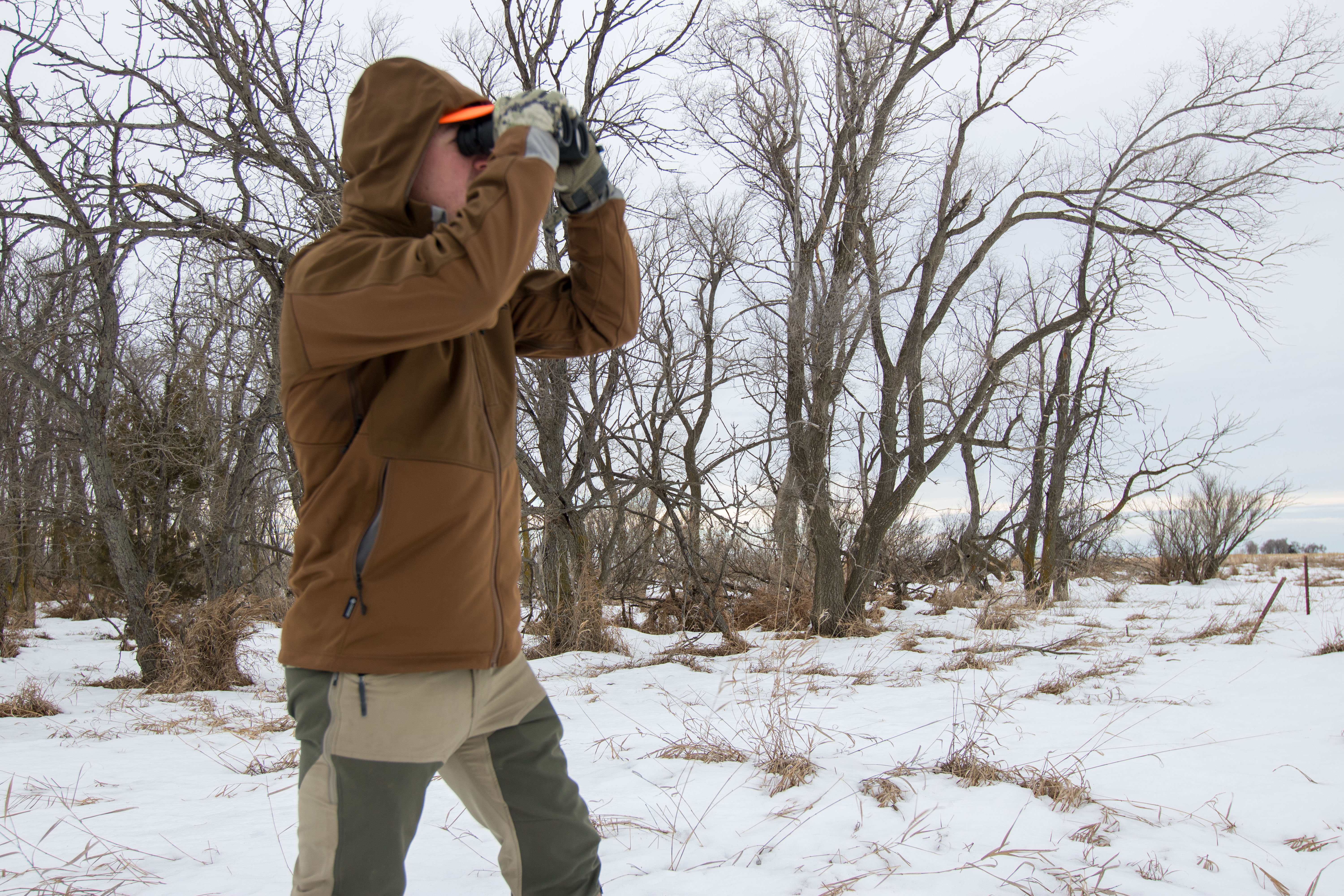
If you’re serious about backcountry performance, I highly recommend the FORLOH BTM Pro Pant. I’ve put these through the ringer, and they are a masterclass in "integrated" design. They feature a unique knee pad system that doesn't feel like you’re wearing bulky riot gear. They also utilize Polygiene® Odor Control technology—which is a lifesaver on 7-day hunts—and wax ripstop reinforcements in high-wear areas.
In our testing, the FORLOH BTM Pro Pants showed a 40% increase in abrasion resistance during 3-day high-intensity backcountry stalks. When you’re dragging your knees across granite, that durability matters.
Check Out the FORLOH BTM Pro Pant →
Beyond the Gear: Internal Support and Maintenance
Gear is only half the battle. You can have the best pads in the world, but if your joints are inflamed from years of abuse, no amount of foam will save your hunt. I always tell my readers to think of their knees like a piece of equipment that needs internal maintenance.
Supporting your joints from the inside is critical for long-term mobility. This means a focus on nutrition-based support, such as high-quality collagen or supplements like Regenerix Gold, which can help manage the inflammation caused by heavy pack-outs. You should also incorporate a daily maintenance routine in the backcountry:
- The End-of-Day Check: Remove your knee pads (if they are removable inserts) to allow both the pads and the pant sleeves to dry out. Trapped sweat can cause skin irritation.
- Elevation: After a long day of side-hilling, elevate your legs for 15 minutes in your tent to reduce swelling.
- The "Crawl Test": Before you head out on the first morning, drop to your knees in camp. If you feel any hard points or if the pads have shifted, adjust your pant tension or suspenders then—not when you’re 50 yards from a trophy buck.
FAQ
Q: Won't integrated knee pads make my legs too hot during early-season hunts? A: High-end hunting pants like the FORLOH BTM Pro use breathable materials and often include hip vents. The knee pads themselves are usually perforated or made of breathable foam to allow for airflow, so the "overheating" factor is minimal compared to the protection benefits.
Q: Do I really need knee pads if I only hunt from a tree stand? A: If you are strictly a tree stand hunter, knee pads are less critical. However, if you have to hike through rough terrain to get to that stand, or if you ever find yourself leaning your knees against a cold metal stand platform for hours, you’ll find that even a thin pad makes a massive difference in comfort.
Q: Can I wash my hunting pants with the knee pads still inside? A: It depends on the brand, but generally, it's best to remove foam or gel inserts before washing to extend their lifespan. If they are permanently integrated, use a cold, gentle cycle and always air dry—high heat from a dryer is the enemy of foam and technical adhesives.
The Bottom Line
In the backcountry, we are often our own worst enemies. We push through pain, ignore discomfort, and hope for the best. But when it comes to your knees, "toughing it out" is a losing strategy. By integrating knee protection into your kit, you aren't just protecting your joints; you're gaining a tactical advantage. You're becoming a more stable shooter, a stealthier stalker, and a more patient observer.
Don't let a sharp rock be the reason you missed your shot. Upgrade your pants, protect your landing gear, and stay in the hunt longer. Your future self—and your freezer—will thank you.