On Monday, January 19, 2025, the serene, pine-lined slopes of Keystone Resort became the site of a sobering tragedy that has sent ripples through the North American ski community. A male snowboarder, navigating the "Lower Go Devil" trail—a demanding black diamond run—lost his life following a high-force impact with the snow surface. Despite the victim wearing a helmet and the absence of any trees, rocks, or external obstacles, the sheer velocity and the uncompromising nature of the hardpack snow proved fatal.
This incident marks a grim milestone for the 2024-2025 winter season, representing the third life-altering or fatal medical emergency at Keystone within a narrow 22-day window. As the Colorado snowpack sits at historic lows, the margin for error on the slopes has narrowed significantly. For the modern traveler and winter sports enthusiast, understanding the intersection of environmental conditions, equipment limitations, and physical safety protocols is no longer optional—it is a matter of survival.
The Recent Tragedy at Lower Go Devil
The January 19th fatality occurred during what many considered standard mid-season conditions, yet the technical details of the accident reveal a more complex story. The "Lower Go Devil" run is known for its steep pitch and, during periods of low precipitation, its tendency to develop a "boiler-plate" icy surface.
According to reports from the Summit County Sheriff’s Office, the snowboarder was traveling at a high rate of speed when he caught an edge. In the absence of fresh powder to cushion the fall, the impact was absorbed entirely by the rider’s body and head. While the snowboarder was equipped with a high-quality helmet, experts remind us that helmets are designed to mitigate injury, not eliminate the physics of high-velocity deceleration. This tragedy underscores a critical reality: at certain speeds, the "give" of the snow surface becomes the most significant variable in a survivable versus fatal fall.
A Dangerous Pattern: Three Major Incidents in 22 Days
Keystone Resort has long been a favorite for families and high-performance riders alike, but the peak of the 2025 season has been marred by an unprecedented string of accidents. Between December 29 and January 19, the resort recorded three incidents that have fundamentally altered the lives of those involved and their families.
| Date | Victim | Location | Outcome |
|---|---|---|---|
| Dec 29, 2024 | Eric Baltz ("The Grizz") | The Grizzly Run | Fatality |
| Jan 6, 2025 | Sandra Prokofi | Frenchman | Paralyzed (Neck down) |
| Jan 19, 2025 | Unnamed Male | Lower Go Devil | Fatality |
The timeline is startling. Eric Baltz, a beloved local figure, succumbed to injuries on a technical run late in December. This was followed by the catastrophic injury of Sandra Prokofi on "Frenchman," a popular blue run, which resulted in permanent paralysis. The January 19th death on "Lower Go Devil" completes a trifecta of tragedies that has prompted local authorities and resort management to issue renewed warnings about slope safety.
The "Granite" Slopes: Understanding Colorado’s Low Snowpack Hazards
The primary culprit behind this surge in severity is not necessarily a lack of skill among riders, but the environmental state of the Colorado Rockies. As of early 2025, the region is experiencing one of its lowest snowpacks on record. When natural snowfall is sparse, resorts rely heavily on man-made snow, which has a higher moisture content and freezes much harder than natural "champagne powder."
"You have to understand that on years like this, you aren't landing on snow; you are landing on something closer to granite," says one veteran Keystone patroller. "One bad edge catch on a hardpack groomer at 40 mph is equivalent to falling off a three-story building onto a sidewalk."
Furthermore, the low snowpack forces a higher density of skiers and snowboarders onto a limited number of "open" runs. User feedback from Keystone this season highlights significant crowding on green and blue runs, particularly near the River Run base, creating what some frequent visitors have dubbed a "death trap" of mixed ability levels and high-speed intersections.
Critical Safety Protocols for Icy Conditions
When conditions transition from soft powder to hardpack or "mashed potatoes," your approach to the mountain must shift accordingly. Authoritative safety organizations, including the American Orthopaedic Society for Sports Medicine (AOSSM), suggest that physical preparation and behavioral adjustments are the most effective tools for injury prevention.
The Physics of Falling
In a high-speed crash on hardpack, the instinct is to reach out with one’s arms to break the fall. This often leads to "FOOSH" (Fall On Outstretched Hand) injuries, including wrist fractures and shoulder dislocations. More dangerously, it can cause the body to "whip" the head toward the ground.
- The Pro Tip: Learn to "tuck and roll." If a fall is inevitable, experts recommend pulling your limbs in and attempting to land on the meatier parts of the body—the thighs, buttocks, or the back of the shoulders—to distribute the force of the impact.
Riding Under Control and Fatigue Management
Data indicates that a disproportionate number of serious accidents occur after 2:00 PM. As the sun dips and shadows stretch across the runs, the "death crust" (refrozen slush) begins to form.
- The Pro Tip: Respect the "last run" rule. If you feel your quads burning or your concentration wavering, skip the final descent. Fatigue reduces your reaction time and your ability to "muscles through" a caught edge on icy terrain.

Equipment Maintenance
In icy conditions, your edges are your lifeline. Dull edges on a snowboard or skis will "chatter" on hardpack, leading to a loss of lateral stability.
- The Pro Tip: Have your equipment professionally tuned every 3-5 days of riding during low-snow cycles. Ensure your DIN settings (for skiers) are calibrated to your current weight and ability level to ensure proper release during a tumble.
Recognizing and Treating Winter Sports Injuries
The difference between a bruise that heals in a week and a life-altering Traumatic Brain Injury (TBI) can be subtle in the moments following a crash. Statistics show that TBI is associated with 88% of all fatal skiing and snowboarding accidents. While the recent fatality at Keystone involved a helmeted rider, it is vital to recognize that helmets have a "threshold" of protection.
The "Day 3" Rule and When to Seek Help
Minor aches are expected, but certain symptoms require immediate medical evaluation. If you experience any of the following, the resort clinic should be your first stop:
- Loss of consciousness: Even if only for a few seconds.
- The "Day 3" Rule: If localized pain (especially in the ribs or spine) increases rather than decreases by the third day, it may indicate a stress fracture or internal bruising.
- Cognitive Fog: Difficulty remembering the details of the crash or a persistent headache.
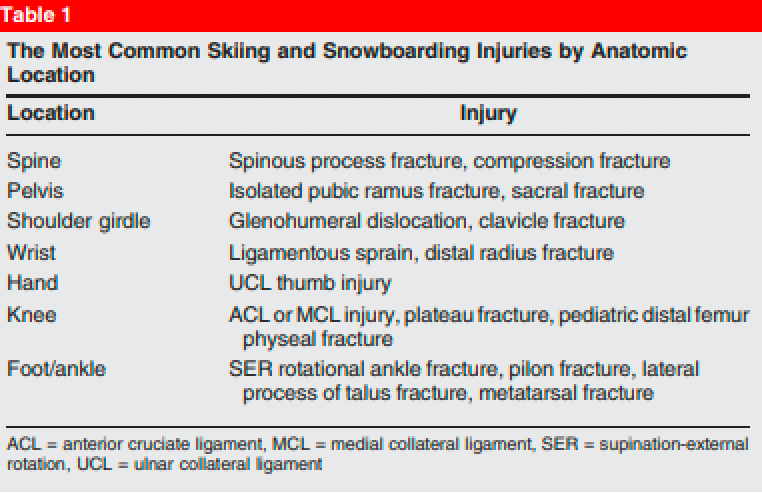
As we navigate the remainder of the 2025 season, the tragedies at Keystone serve as a somber reminder. The mountains offer unparalleled beauty and exhilaration, but they demand a level of respect that matches their power. Whether you are a seasoned local or a first-time visitor, prioritize control over speed, and gear integrity over aesthetics.
FAQ
Q: Are helmets actually effective if people are still dying while wearing them? A: Yes, absolutely. While a helmet cannot prevent all deaths—especially those caused by high-velocity internal organ trauma or extreme neck snapped—they reduce the risk of non-fatal traumatic brain injuries by over 60%. They are an essential layer of a multi-faceted safety strategy.
Q: Is Keystone Resort "more dangerous" than other Colorado resorts? A: Statistically, Keystone's numbers this month are an anomaly, but the resort's layout—featuring long, steep "groomers" that encourage high speeds—can be less forgiving during low-snow years. The danger is currently high across all of Summit County due to the specific "hardpack" snow conditions.
Q: What should I do if I witness a serious crash on the mountain? A: Do not move the victim unless they are in immediate danger of being hit by other skiers. Cross your skis or snowboard in an "X" uphill of the victim to alert others. Call the resort's emergency dispatch number (usually found on the back of your lift pass) and stay with the individual until Ski Patrol arrives.