The moment I stepped into the Makuhari Messe for the Tokyo Auto Salon (TAS) 2026, the energy was different. In previous years, the air was thick with the scent of burnt rubber and high-octane fuel from drift builds. This year? It smelled like cedar wood, mountain air, and high-tech canvas. With an attendance exceeding 250,000 visitors, the message was loud and clear: the "Micro Adventure" scene has officially exploded in Japan.
What exactly are the top trends this year? We’re seeing a massive pivot away from pure track performance toward ruggedized utility. The show highlights include a surge in "Kei car" camper conversions that maximize every millimeter of space, hybrid SUVs like the RAV4 Adventure outfitted for deep wilderness, and—perhaps most surprisingly—rally-inspired sports cars like the Kuhl Outroad GR86 that prove you don't need a truck to hit the trails.
If you’re looking to turn your daily driver into an expedition rig, Japan is currently the world’s R&D lab for overlanding innovation. Let’s dive into the builds that redefined the "Micro Adventure" for 2026.
The Heavyweights: Rugged SUVs and Global Overlanders
I spent a good hour hovering around the NEXUS Japan booth, and for good reason. Their take on the Toyota Land Cruiser 250 is the gold standard for what a modern overlander should look like. It’s not just about the lift kit; it’s about the integration of living space.
The star of the show was the Black Bear roof tent mounted atop the LC250. Built with 600D Oxford fabric and boasting a 550lb load rating, this isn't some flimsy pop-up. I climbed up to check the interior—the waterproof rating sits at a staggering 3,000mm, meaning you could weather a Pacific typhoon in this thing and stay bone-dry.
Marcus’s Pro Tip: When looking at roof tents, always check the "Static" vs. "Dynamic" load rating of your roof rack. The NEXUS setup uses a reinforced rail system that ensures the weight of two adults won't compromise the vehicle's pillars.
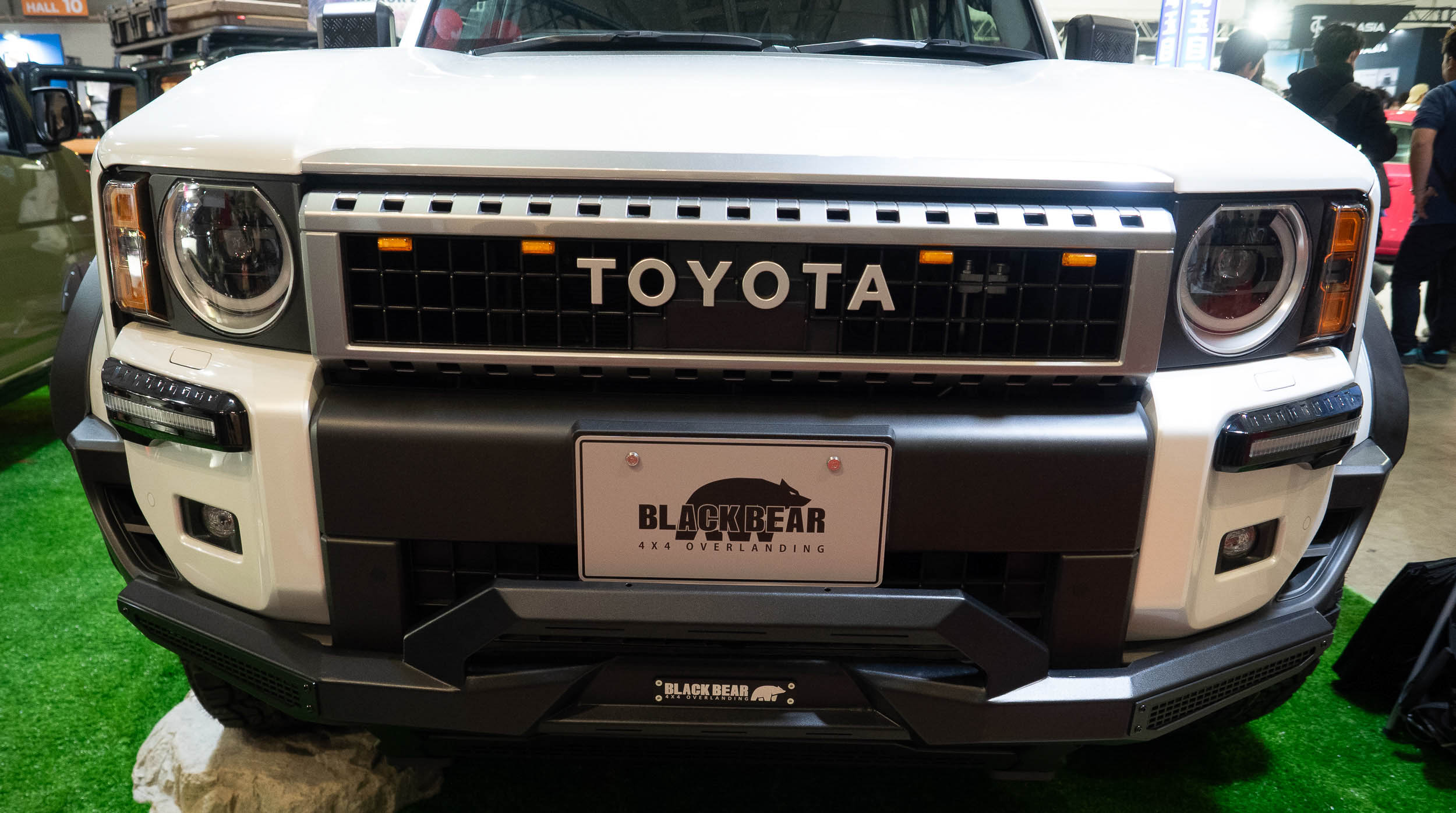
Right next to it was the 2026 Toyota RAV4 Adventure (Woodland Edition). This build targets the weekend warrior who still needs a sensible commuter. It utilizes a hybrid powertrain with E-Four AWD, but with a custom 8.5-inch ground clearance upgrade. It’s the perfect middle ground: 40 MPG on the highway, but enough grit to handle a washed-out forest road.
Artisan Retro: The Blow 'Dream Factory' Conversions
If there’s one booth that stopped me dead in my tracks, it was Blow. They call themselves a "Dream Factory," and walking through their display felt like a fever dream where 1950s Americana collided with modern Japanese engineering.
The standout was the Blow Big Mama Rider. At first glance, you’d swear it’s a vintage Ford F1, but look closer—it’s actually a brilliantly disguised Toyota Town Ace. The craftsmanship is surgical. They’ve managed to capture the soul of a classic truck while maintaining the reliability of a modern Toyota.
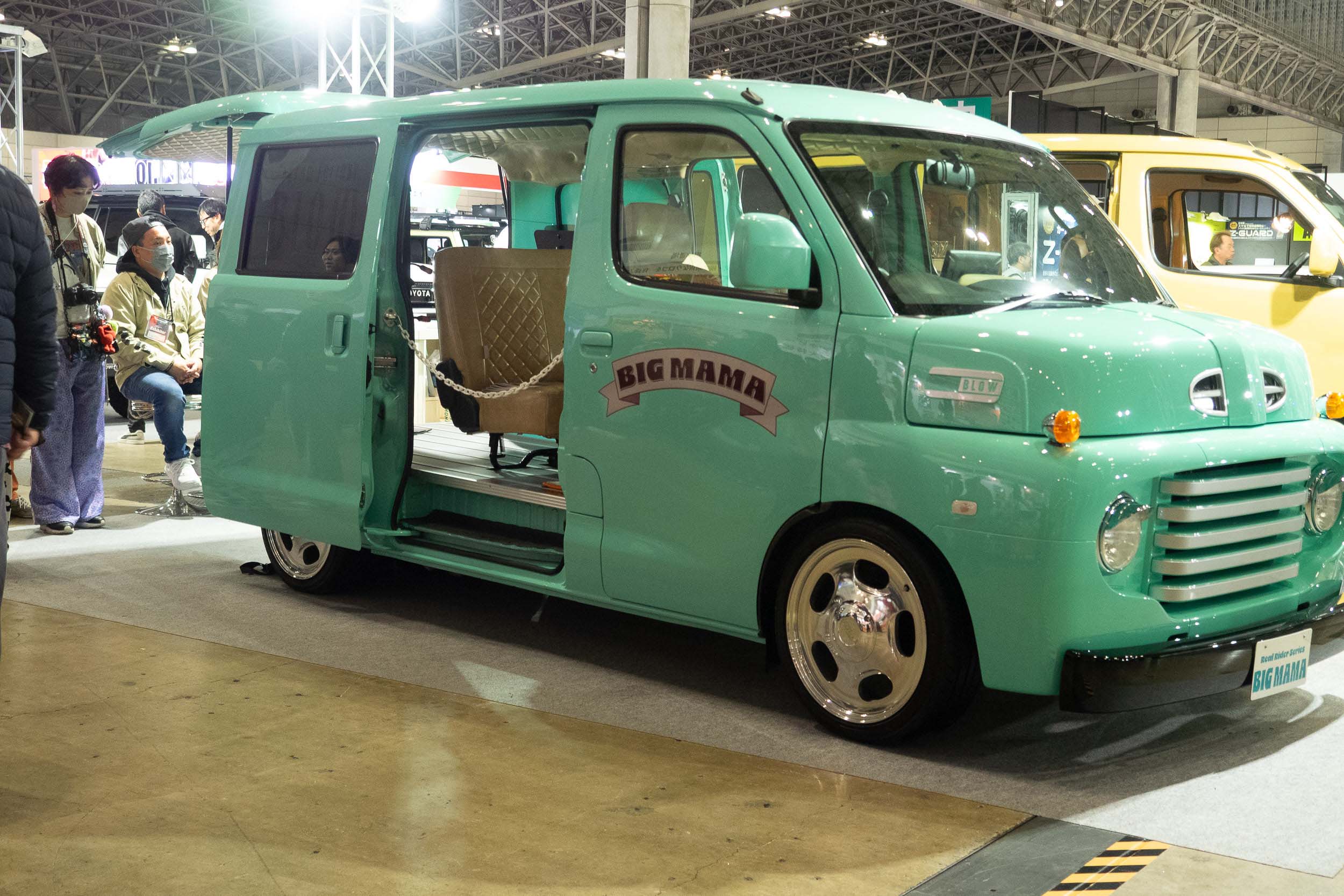
Tech Spec: Blow Big Mama Rider
| Category | Specification |
|---|---|
| Base Vehicle | Toyota Town Ace |
| Aesthetic Inspiration | 1950s Ford F1 |
| Interior Finish | Hand-oiled Walnut and Oak |
| Build Time | Approx. 4 Months |
| Estimated Price | ¥6,000,000 ($38,000 USD) |
For those who want something a bit more compact, the Blow Jack Rider—inspired by the Ford F100—features a stunning interior made of real oak. It’s a reminder that a "Micro Adventure" isn’t just about where you go; it’s about the style in which you arrive. A professional build like this will set you back about $38,000 and requires a four-month wait, but seeing the quality in person, I can tell you every penny is visible in the pinstriping.
Performance Off-Road: The Kuhl Outroad GR86
I know what you're thinking. Marcus, why are we talking about a GR86 in an overlanding guide? Because the Kuhl Outroad GR86 is the most "why not?" vehicle I’ve ever seen, and I absolutely love it. This build flips the script on what a sports car can do.
The Kuhl Outroad isn't just a GR86 with bigger tires; it’s a ground-up rally conversion. They’ve added a custom widebody kit that looks aggressive enough to bite, but the real magic is underneath. A lifted suspension gives it the clearance to handle gravel stages, and a custom turbocharger adds a healthy 50 horsepower to help those chunky Yokohama Geolander A/T tires find grip.
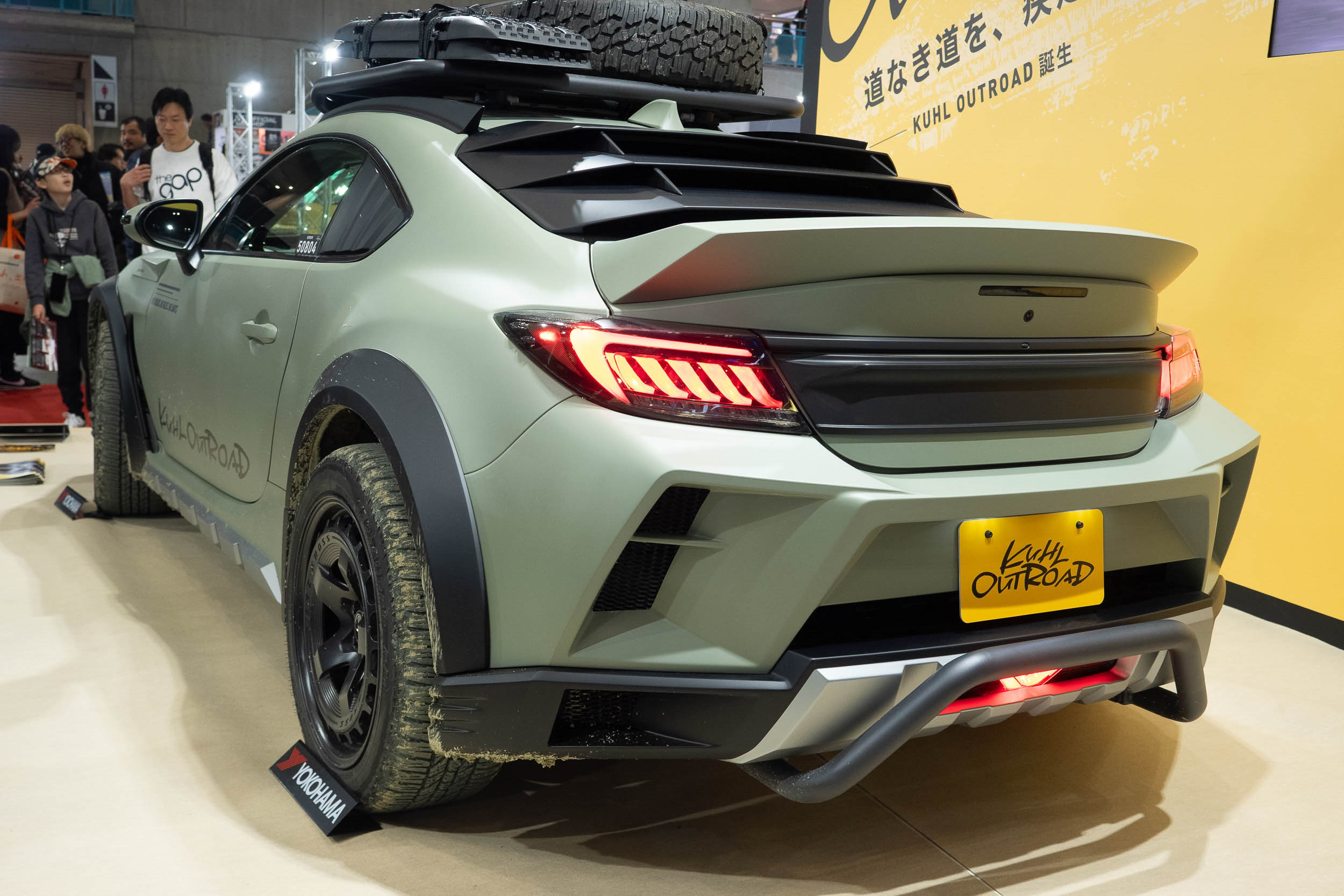
Kuhl Outroad GR86 Performance Profile
- Power Boost: +50 HP via HKS Turbocharger kit.
- Suspension: 1.5-inch lift with adjustable dampening for off-road terrain.
- Footwear: Verz wheels wrapped in Yokohama Geolander A/T tires.
- Braking: Big Brake Kit (BBK) to handle the increased rotational mass of the off-road rubber.
It’s the ultimate "Micro Adventure" vehicle for the driver who refuses to slow down just because the pavement ended.
The Kei Car Revolution: Maximizing Small Spaces
Japan’s Kei car tax bracket (small cars with engines under 660cc) has birthed a subculture of "Micro-Campers" that are frankly genius. The level of innovation per square inch is higher here than anywhere else in the hall.
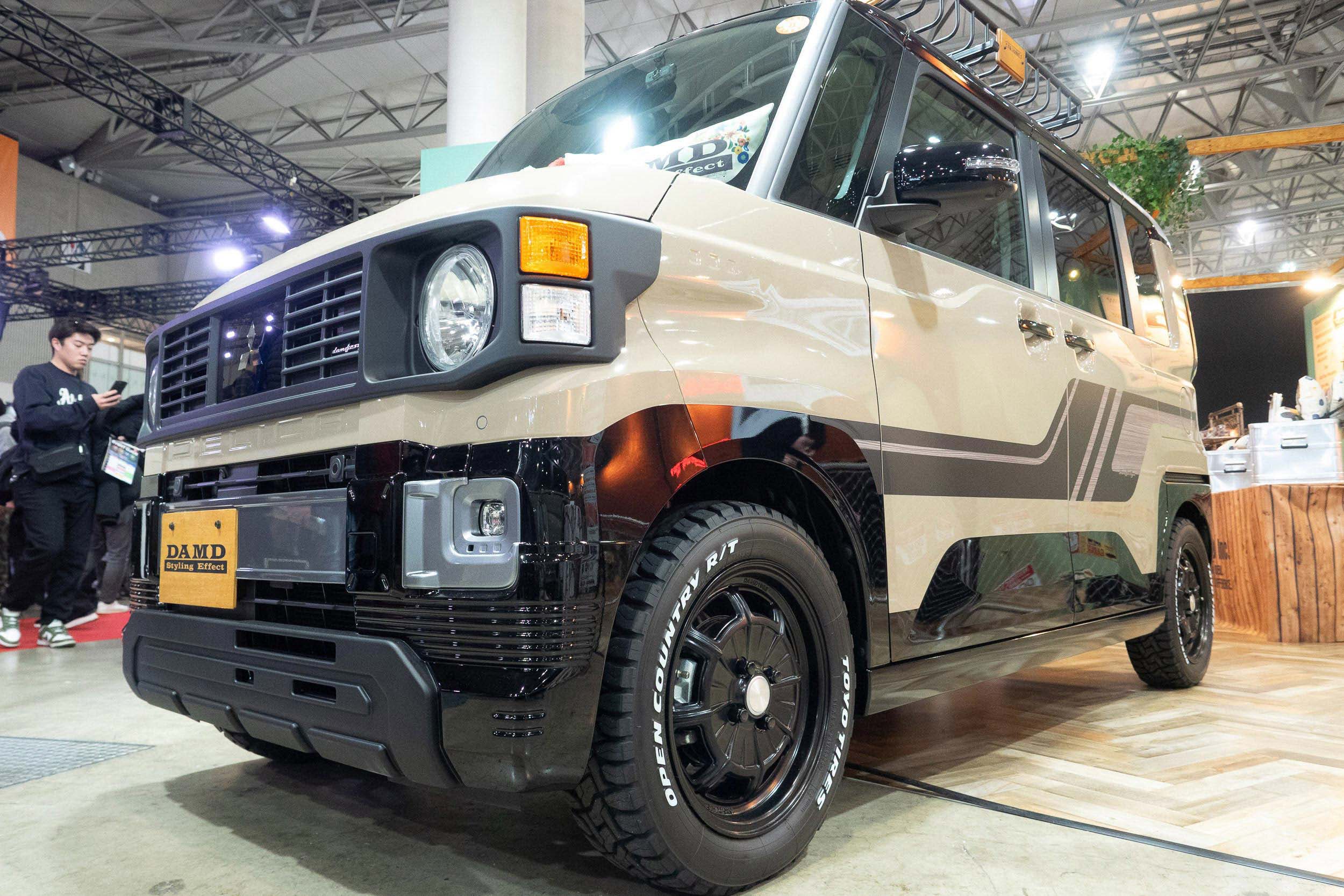
First up: the Mitsubishi Delica Mini Dali by DAMD. DAMD is known for their "Little D" Defender kits, but the Dali takes a different approach. Inspired by rugged "trekking shoes," it features textured plastic cladding, a Dynamic Shield front end, and wheels that look like they could climb a vertical wall. It’s small enough to navigate a crowded Tokyo alleyway but tough enough for a weekend at the base of Mt. Fuji.
Then there’s the Auto One Camper Honda N-Van Piccolo Smile. This is where things get technical. In a vehicle only 339.5cm long, Auto One managed to fit a full sleeping platform, a hidden sink, and—most impressively—a proprietary HVAC system that runs off a secondary lithium battery. This means you can stay cool during Japan's humid summers without idling the engine.
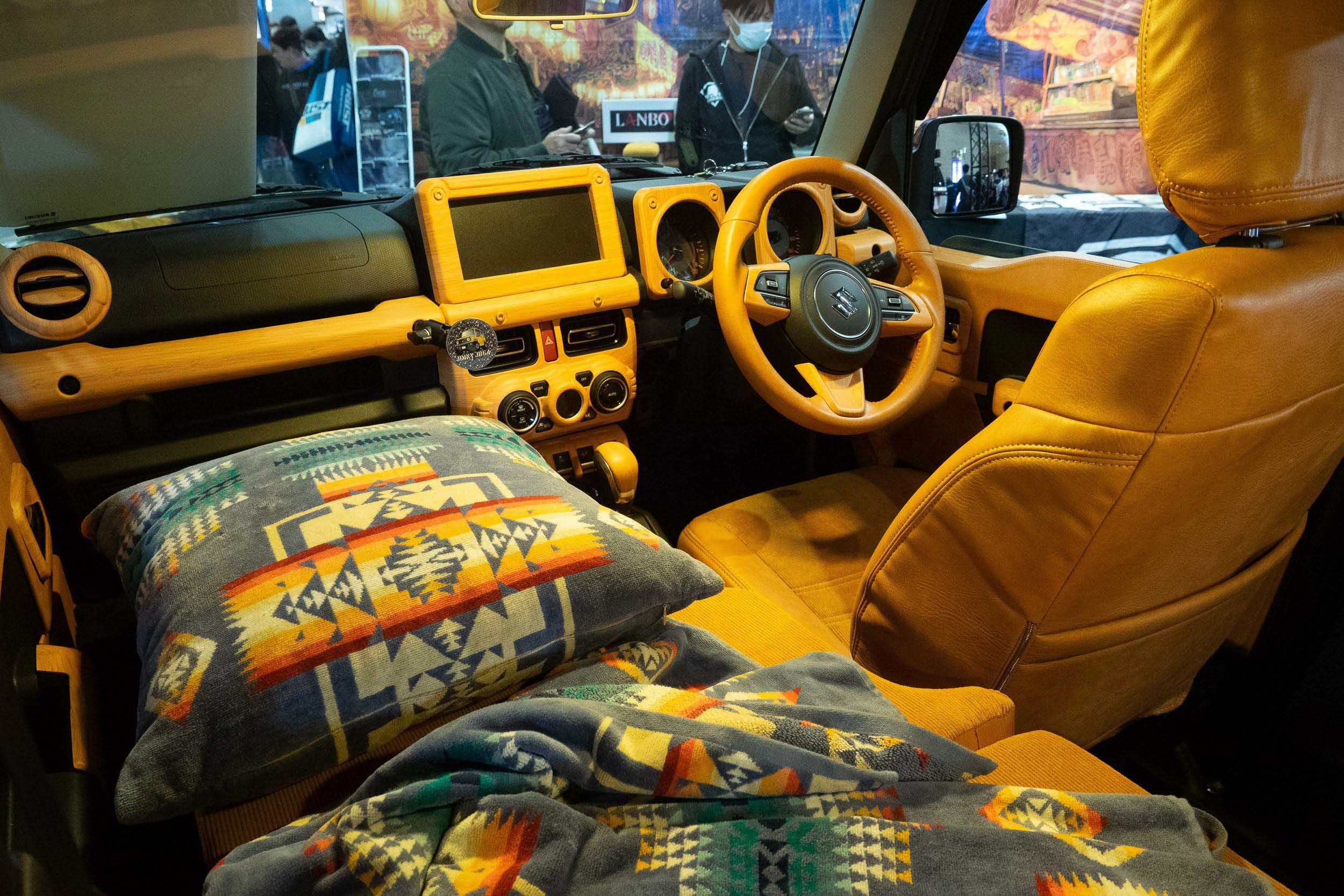
Micro-Camper Comparison Table
| Feature | Mitsubishi Delica Mini (DAMD) | Honda N-Van (Auto One) | Honda Step WGN (Rocky 2) |
|---|---|---|---|
| Best For | Rugged Trail Access | Solo Stealth Camping | Family Weekend Expeditions |
| Key Innovation | Trekking-shoe styling | Integrated HVAC & Storage | Modular 'Transformer' Interior |
| Footprint | Ultra-Compact | Ultra-Compact | Mid-Size Van |
| Vibe | "The Hiker" | "The Digital Nomad" | "The Basecamp" |
The Rocky 2 Honda Step WGN rounded out the van category, showing off a modular interior that can go from a 7-passenger hauler to a queen-sized bedroom in under three minutes.
Essential Gear: From Cookware to Suction Racks
The "Micro Adventure" isn't just about the vehicle; it's about the gear that makes the trip possible. TAS 2026 saw some incredible cross-industry collaborations.
Take Fujitsubo, for example. They are legendary for making high-performance exhaust systems. This year, they launched the Smith Susuno line—camping cookware made from the same high-grade stainless steel and titanium they use for their race exhausts. It’s lightweight, indestructible, and features a "burnt titanium" finish that looks incredible over a campfire.
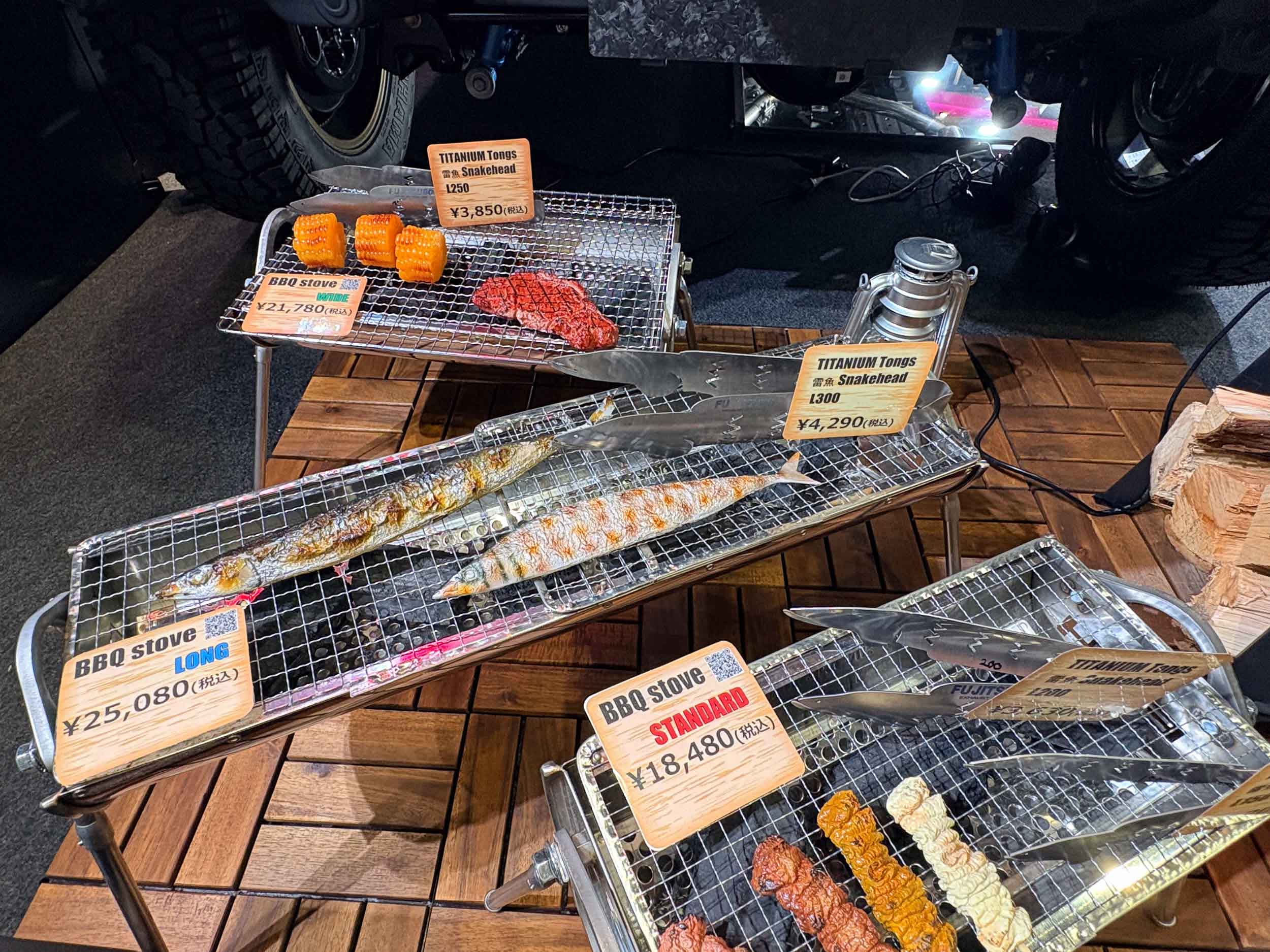
But the most innovative (and potentially life-saving) item was the Fujitsubo Snowkel. In Northern Japan, vehicles often get buried in deep snow while the occupants are sleeping inside. This can lead to carbon monoxide poisoning if the exhaust pipe is blocked. The Snowkel is a modular exhaust extension that vents the gases high above the snowline. It’s a brilliant piece of safety engineering for winter overlanders.
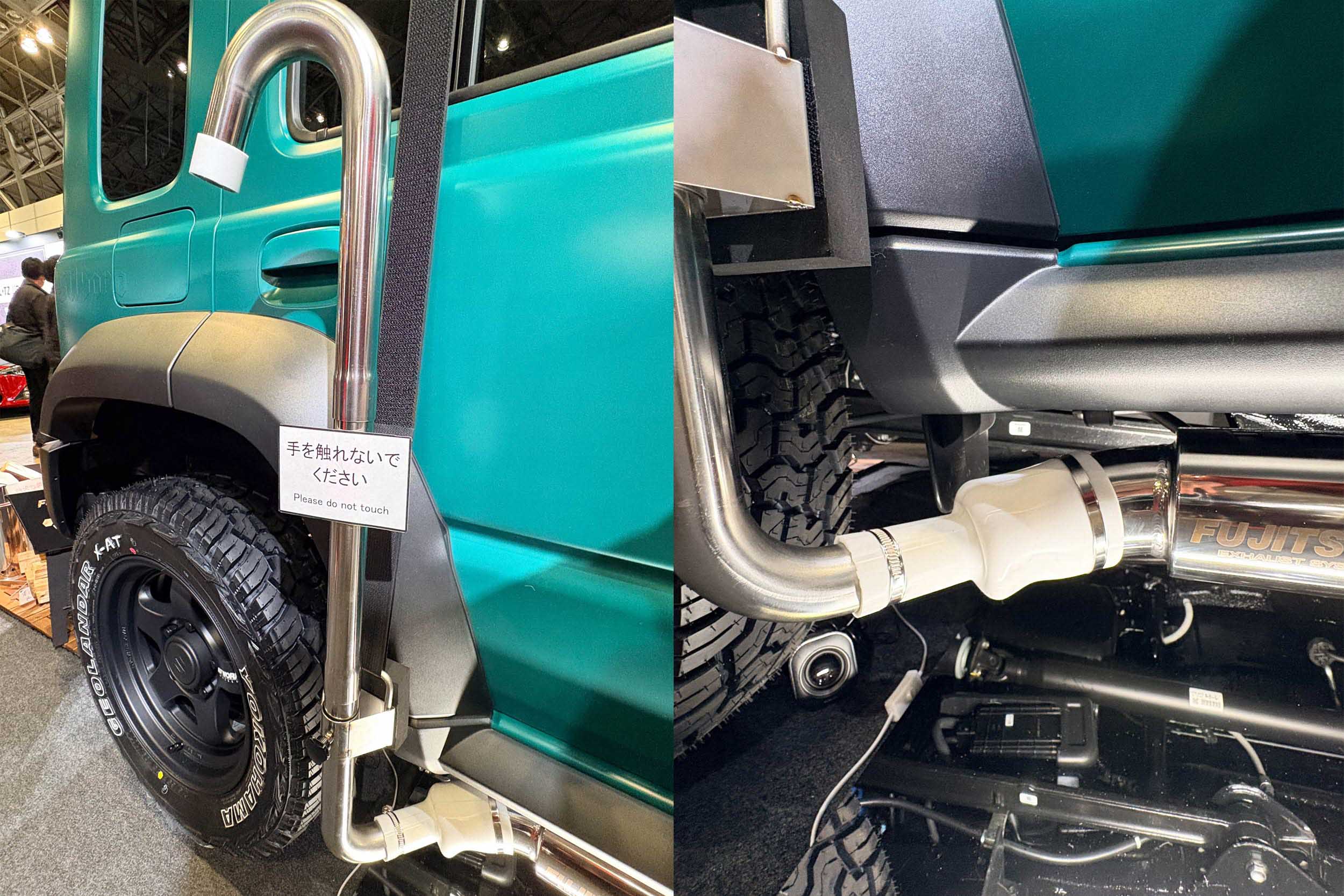
Finally, I checked out the SeaSucker x Apio collaboration. If you have a vehicle with a glass roof or a weird shape that won't accept traditional roof racks, this is your solution. Using heavy-duty vacuum mounts, these racks can support up to 44 lbs of gear. I watched them pull on it with all their weight; those suction cups didn't budge.
Frequently Asked Questions (FAQ)
Q: Are these Japanese Micro-Campers available in the US or Europe? A: Most Kei cars (like the N-Van and Delica Mini) are exclusive to the Japanese Domestic Market (JDM). However, many of the accessories—like the DAMD body kits and Fujitsubo gear—can be imported. For the vehicles themselves, you'll generally have to wait for the 25-year import rule in the US.
Q: How much does a professional retro conversion cost in Japan? A: As seen with the Blow Big Mama Rider, a high-end conversion on a modern chassis like the Toyota Town Ace costs roughly ¥6,000,000 (about $38,000 USD). This includes the bodywork, interior wood crafting, and paint.
Q: Can a hybrid like the RAV4 Woodland Edition really handle off-roading? A: While it’s not a rock crawler, the E-Four AWD system is excellent for loose gravel, snow, and mud. With the 8.5-inch ground clearance provided by the TAS 2026 builds, it’s more than capable of reaching 90% of the campsites I visit.
Conclusion: The New Era of Exploration
Tokyo Auto Salon 2026 proved that you don't need a massive 4x4 with a thirsty V8 to have an adventure. The "Micro Adventure" movement is about efficiency, clever engineering, and a bit of retro soul. Whether it’s a rally-ready GR86 or a Kei car with a built-in air conditioner, the focus has shifted to making the journey as much of a destination as the campsite itself.
If you’re planning your next build, take a page out of the Japanese playbook: think small, think modular, and never sacrifice style for utility when you can have both.