Quick Facts
- The Best Overall: The Patagonia Houdini remains the gold standard for its perfect balance of weight (3.4 oz), weather resistance, and packability.
- The Ultralight King: For those counting every gram, the Enlightened Equipment Copperfield Wind Shirt is the lightest in class at a staggering 2.2 oz.
- Tested & Proven: Our team has field-tested over 90 windbreaker models since 2012 across the Sierras, the Andes, and the Alps to bring you these 2025 picks.
- Weight Range: Modern technical windshells in our testing range from a featherweight 2.2 oz to a more robust 10.6 oz for mixed-use durability.
- The Gear Truth: While these shells feature DWR (Durable Water Repellent) coatings, they are not rain jackets. They handle mist and wind but will soak through in a downpour.
Why a Windbreaker is Your Most Essential Layer
I’ve lost count of how many times I’ve stood at a trailhead, staring at a wall of gear, wondering if I really need that extra layer. But after a decade of solo expeditions and high-alpine scrambles, I can tell you this: the windbreaker is the 3.4 oz solution to 90% of your transitional weather problems. It’s the piece of gear that stays in my pack 365 days a year.
In my experience, the Patagonia Houdini is the best overall windbreaker for hiking because it nails the trifecta of wind resistance, breathability, and a design that packs down to the size of a tennis ball. Whether you’re facing a biting ridge wind or a light morning chill, a good windshell provides just enough thermal protection without the sweat-inducing bulk of a rain jacket.
Since 2012, our team has put over 90 different models through the ringer. We’ve brushed them against jagged granite in the Bugaboos and stuffed them into the bottom of dirty packs for months. This guide represents the best of the best for 2025, covering everything from ultralight backpacking shells to rugged mountaineering hybrids.
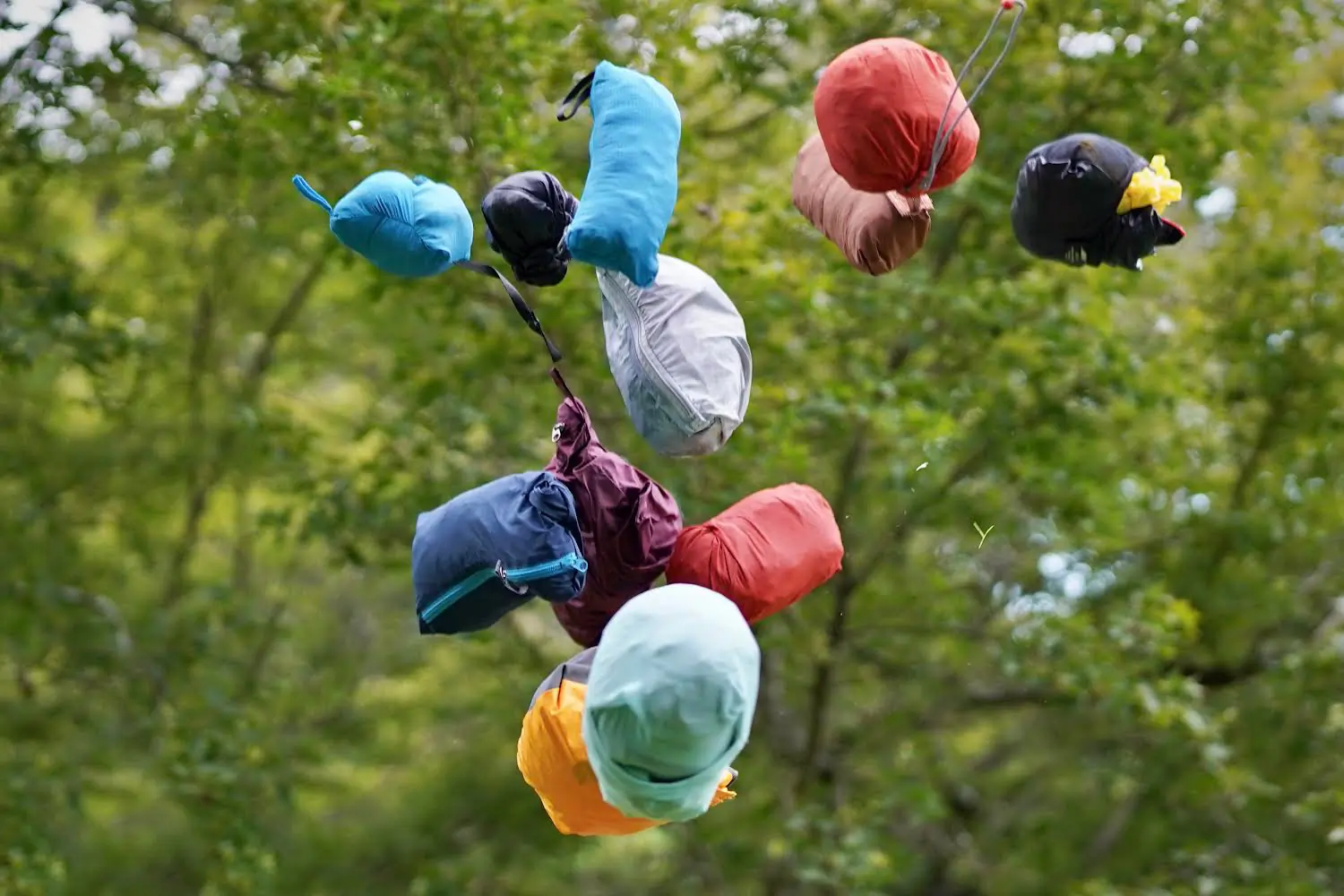
Quick Comparison: Top 2025 Hiking Wind Jackets
| Model | Weight | Fabric Denier | Best Use Case | Price (MSRP) |
|---|---|---|---|---|
| Patagonia Houdini | 3.4 oz | 15D | All-around hiking | $109 |
| Enlightened Equipment Copperfield | 2.2 oz | 7D/10D | Ultralight backpacking | $110 |
| Rab Vital Hoody | 4.6 oz | 20D | Budget technical | $95 |
| Black Diamond Alpine Start | 7.4 oz | 40D | Mountaineering/Scrambling | $165 |
| Montbell Tachyon | 2.6 oz | 7D | Fast-packing/Running | $119 |
| Arc'teryx Squamish | 4.9 oz | 30D | Premium durability | $160 |
Best Overall: Patagonia Houdini
Best for: The hiker who wants one shell that does everything perfectly.
The Patagonia Houdini is a legend for a reason. Built from 1.2-oz 100% recycled nylon ripstop, it strikes a balance that few others can replicate. It’s light enough that you’ll forget it’s in your pack, but the 15-denier fabric is surprisingly tough. During a recent trek in the Winds, I wore this for three days straight—through light mist, howling afternoon winds, and as a bug barrier at camp.
Expert Tip: The Houdini has a relatively tight weave, which makes it excellent at blocking wind, but it can feel a bit "swampy" during high-intensity uphill climbs. If you’re a heavy sweater, save this for the ridges and descents.
- Pros: Iconic packability, stellar DWR finish that beads water better than most, and a fantastic hood adjustment.
- Cons: Breathability is lower than "air-permeable" models like the Kor Airshell.
Tech Specs:
- Weight: 3.4 oz
- Fabric: 15D Recycled Nylon Ripstop
- Pockets: One zippered chest pocket (doubles as stuff sack)
Best Budget Technical Shell: Rab Vital Hoody
Best for: Cost-conscious hikers who refuse to sacrifice technical features.
When comparing the Patagonia Houdini vs Rab Vital Hoody, the Vital wins on "creature comforts." While the Houdini is minimalist, the Rab Vital offers hand pockets and a clever "Hero Snap" on the chest. This snap allows you to unzip the jacket fully for maximum airflow while the snap keeps the jacket from flapping off your shoulders like a cape.
The 20D Atmos fabric feels slightly more substantial than the Houdini, making it a great choice for those who find ultralight fabrics a bit too "plastic-y." It’s the best budget windbreaker for outdoors enthusiasts who want a full-featured jacket for under $100.
- Pros: Includes hand pockets, excellent venting options, durable 20D fabric.
- Cons: Slightly heavier than the minimalist competition.
Best Ultralight Option: Enlightened Equipment Copperfield Wind Shirt
Best for: Thru-hikers and gram-counters who live by the "ounces equal pain" mantra.
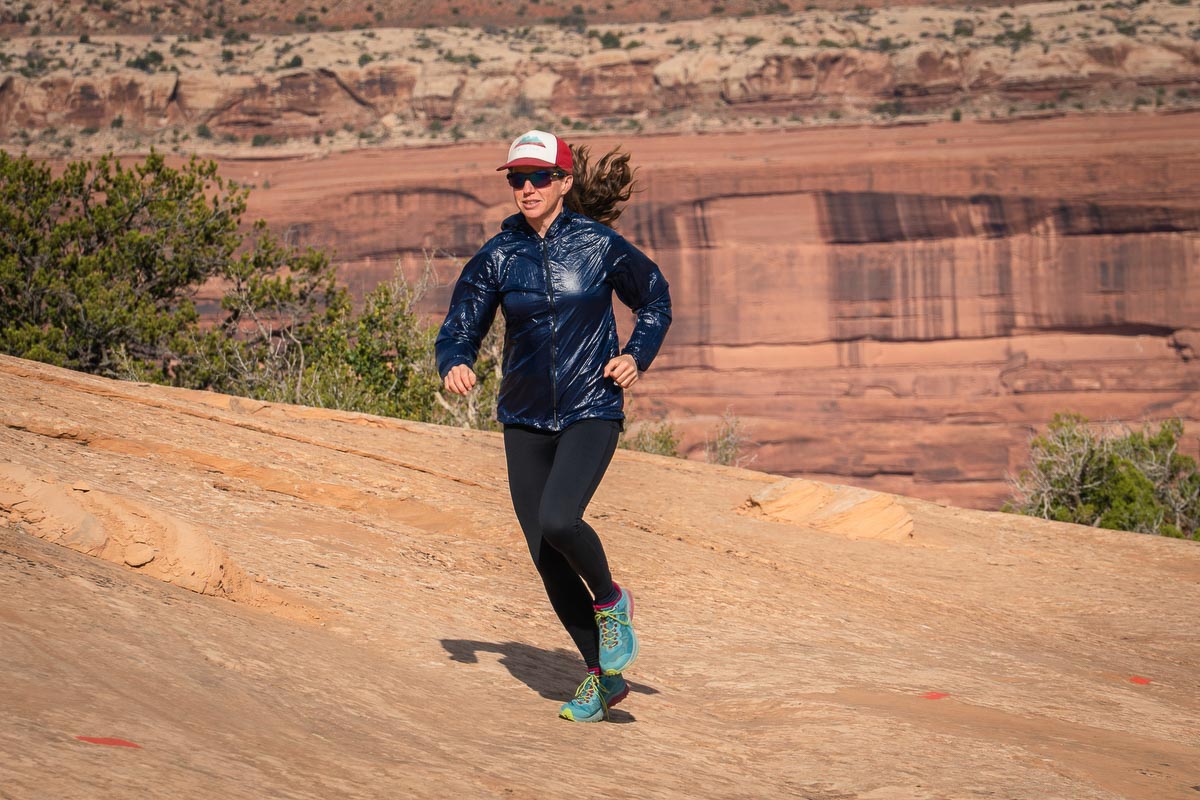
For ultralight backpacking, the Enlightened Equipment Copperfield Wind Shirt is the top choice, weighing only 2.2 oz—the lightest model in its class. This isn't just a jacket; it's a piece of precision engineering. By using a specialized 10D (or even 7D) nylon, EE has created a shell that offers massive wind protection for the weight of a few granola bars.
In my testing, the Copperfield surprised me with its comfort. Many ultralight shells feel like wearing a trash bag, but this fabric has a soft, calendared finish that feels great against the skin even when you’re working up a sweat.
Tech Specs:
- Weight: 2.2 oz (Size Medium)
- Fabric: 7D or 10D Nylon options
- Feature: Customizable colors and fabrics via their website.
Best for Mountaineering & Scrambling: Black Diamond Alpine Start Hoody
Best for: High-output movement where you’re likely to rub against rock and ice.
If your "hike" involves a fair bit of using your hands, you need the Alpine Start. Unlike the thin nylon shells above, this uses a Schoeller stretch-woven softshell fabric. It features the Eco-Repel Bio DWR, which is a PFC-free technology that keeps the fabric breathable while shedding light moisture.
This jacket is the tank of the windbreaker world. I’ve scraped this against Colorado granite more times than I care to admit, and it still hasn't developed a single snag. It’s significantly heavier at 7.4 oz, but for technical terrain, it’s worth every gram.
Best for Running & Fast-Packing: Montbell Tachyon Hooded Jacket
Best for: Moving fast where every breath—and every gram—counts.
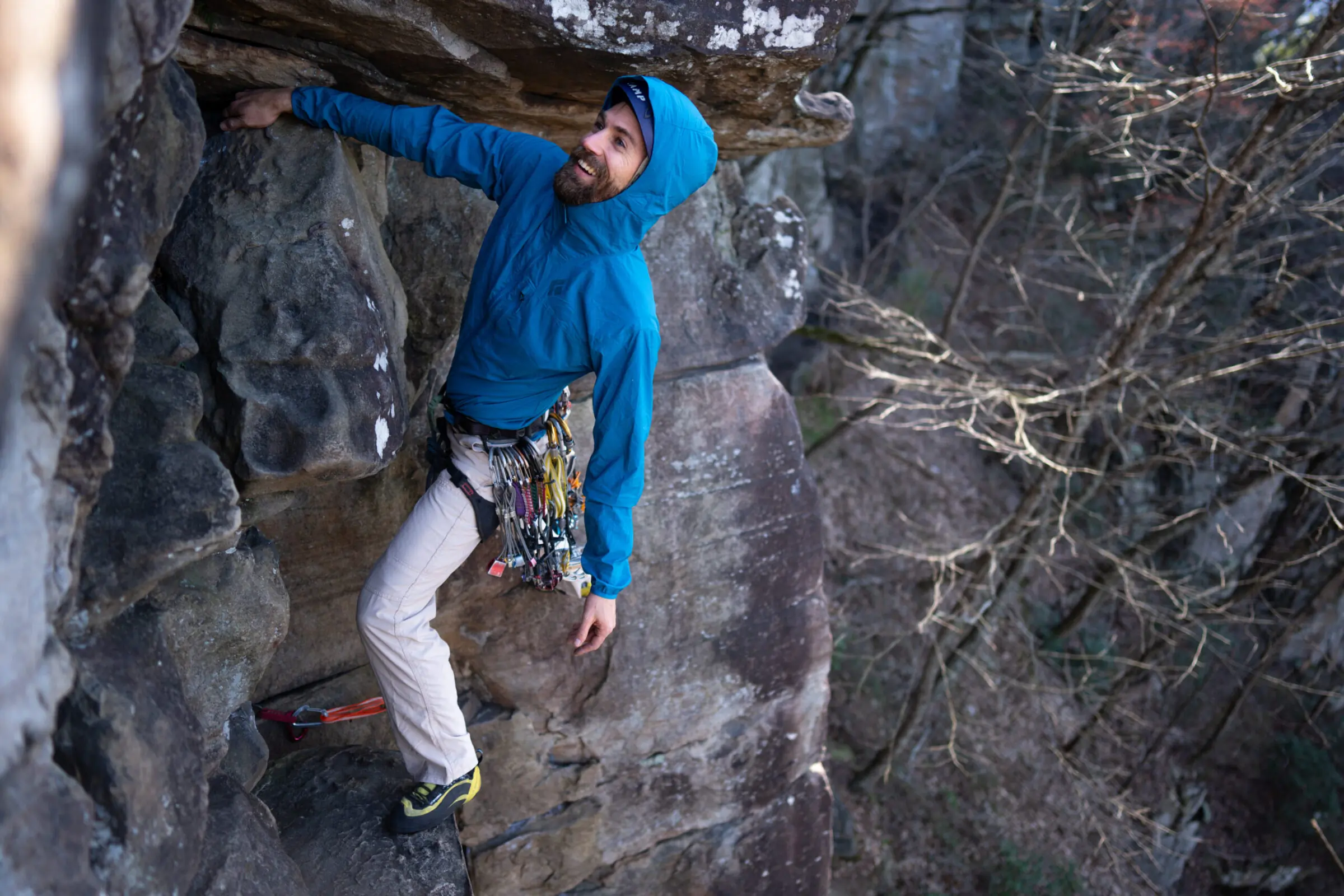
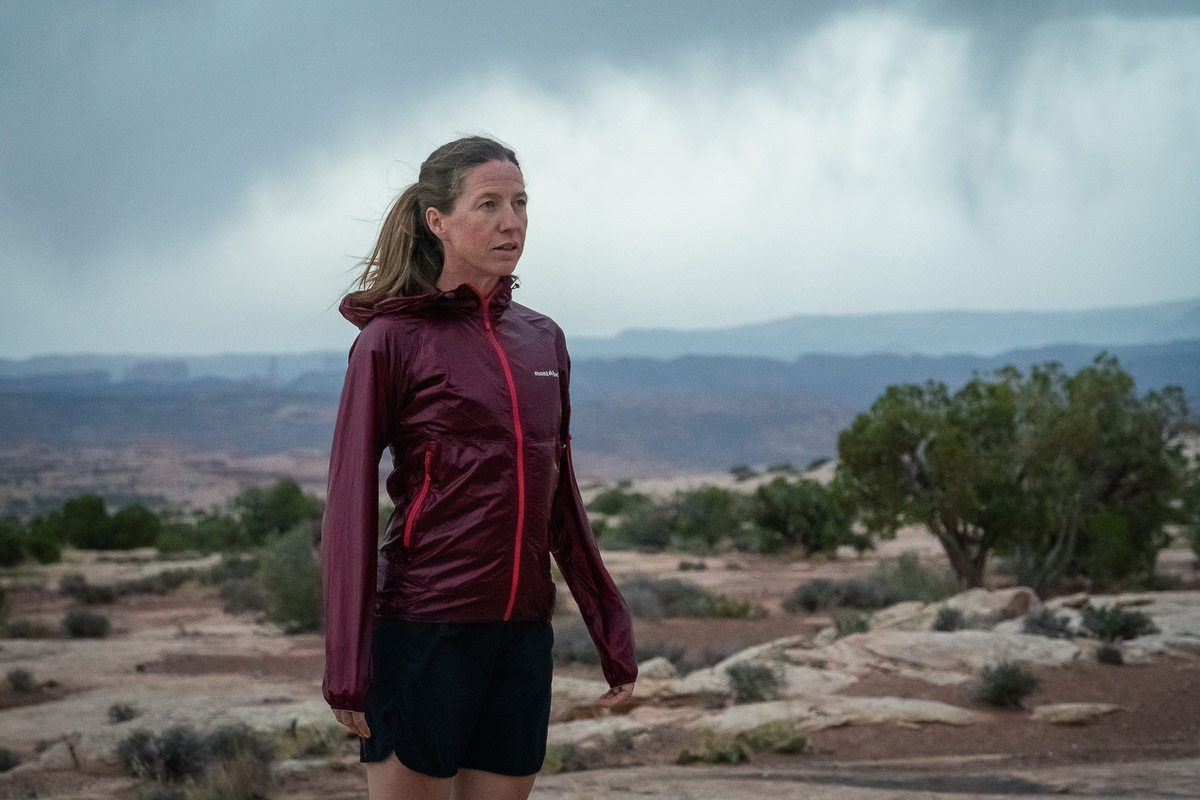
The Montbell Tachyon uses a 7-denier Ballistic Airlight nylon that is remarkably quiet. If you’ve ever been annoyed by the "swish-swish" sound of a windbreaker while running, the Tachyon is your answer. It features a unique "K-Mono" cut, which reduces the number of seams to save weight and improve water resistance.
During fast-packing trips where I’m alternating between running and power-hiking, the Tachyon’s breathability shines. It’s just enough to keep the chill off without causing an internal sauna.
Best Hybrid Protection: Mountain Hardwear Kor Airshell Hybrid
Best for: Cold-weather ridgelines and high-altitude hiking.
This is a clever piece of gear. The Kor Airshell Hybrid places weather-resistant Pertex Quantum Air fabric in the front and light insulation/fleece in the back and underarms. It’s the ultimate "Goldilocks" layer for when it’s too cold for just a windshell but too warm for a puffy jacket.
Best Everyday Value: Columbia Spire Valley
Best for: Weekend warriors who want a soft, comfortable shell for local trails.
Not everyone needs a 7D ripstop technical masterpiece. The Columbia Spire Valley uses a softer, more matte-finish nylon that looks as good at the brewery as it does on the trail. It lacks the extreme packability of the Houdini, but it’s a solid, reliable choice for casual adventures.
The Remaining Top Picks (8-12)
While the leaders above grab the headlines, these five specialized shells deserve a spot in your gear closet depending on your specific needs:
- 8. Stio Second Light Windshell: Best for fast-and-light missions. It features a great athletic fit and a very high CFM (cubic feet per minute) rating, meaning it’s exceptionally breathable for high-output hiking.
- 9. Outdoor Research Shadow Wind Hoodie: Best hand pocket configuration. If you hate chest pockets and want a place to warm your hands, this is the most functional technical shell on the list.
- 10. Cotopaxi Teca Half-Zip: Best sustainable choice. Each one is made from repurposed weather-resistant polyester taffeta, giving it a unique "color-block" look and keeping fabric out of landfills.
- 11. Arc'teryx Squamish Hoody: The premium choice. It has the best articulated fit in the business. If you have long arms or a tall torso, the Squamish is the most comfortable shell you’ll ever wear.
- 12. Black Diamond Distance Wind Shell: Superior water resistance. Developed in partnership with Green Theme International, this shell features a permanent water-repellent finish that is fused to the individual fibers. In our tests, it beads water longer than any other 2.5 oz shell.
Buyer’s Guide: How to Choose Your Hiking Windshell
Choosing a windbreaker is a game of trade-offs. You generally have to choose two out of three: Lightweight, Breathable, or Windproof.
Wind Resistance vs. Breathability: The "Unicorn Fabric"
The tighter the weave of the fabric, the better it blocks wind, but the less it breathes. This is measured in CFM. A "true" windbreaker usually has a CFM of around 3 to 10. For high-output activities like trail running, you might want something closer to 20 or 30 (like the Kor Airshell), which lets more air through so you don't overheat.
Denier Explained: Why it Matters
Denier (D) refers to the thickness of the fibers.
- 7D to 10D: Ultralight, translucent, and requires care. Don’t go bushwhacking in these.
- 20D to 30D: The "sweet spot" for most hikers. Durable enough for a backpack's shoulder straps but still very light.
- 40D+: Heavy-duty. This is what you want for climbing or mountaineering where rock abrasion is a constant threat.
Windbreakers vs. Rain Jackets
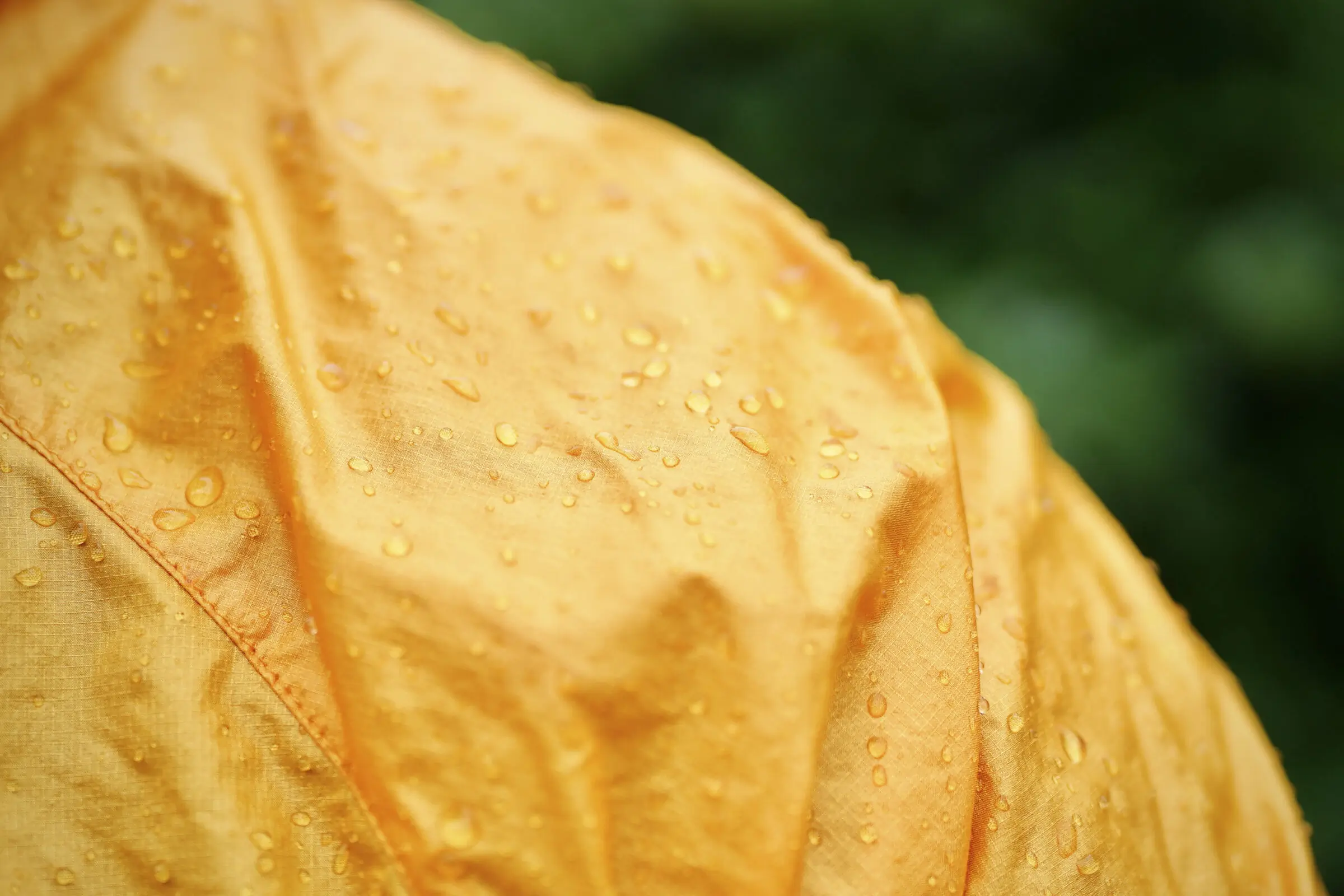
This is the most common mistake I see on the trail. While windbreakers offer light rain protection via DWR coatings, they are not fully waterproof; a dedicated rain jacket is required for heavy storms. A DWR coating works by causing water to bead and roll off. However, once the wind drives that water into the fabric, it will "wet out." If the forecast calls for a 60% chance of rain, bring a hardshell. If it's just "windy with a chance of clouds," the windbreaker is your best friend.
FAQ
How should a windbreaker fit?
You want it "athletic but layerable." It should be slim enough that it doesn't flap in high winds (which can be incredibly annoying), but loose enough that you can fit a light fleece or base layer underneath.
How do I restore the DWR coating?
When you notice water stopping to bead and instead soaking into the fabric, it’s time for a refresh. Wash the jacket with a technical cleaner (like Nikwax Tech Wash), and then either tumble dry on low (to reactivate the factory coating) or apply a spray-on DWR treatment.
Is a hood necessary for hiking?
In my opinion, yes. A hood adds almost zero weight but provides a massive boost in warmth by protecting your neck and ears from wind chill. All the jackets on this list feature high-quality hoods that can be cinched down.
Ready to hit the trail? Don't let the wind dictate your comfort. Whether you're a gram-counting thru-hiker or a weekend explorer, there’s a shell on this list designed for your next peak. Grab the Patagonia Houdini for a fail-proof all-rounder, or go ultralight with the EE Copperfield.
Marcus Rivera Adventure & Outdoors Editor