Quick Facts
- Habit vs. Performance: Research shows that 68% of outdoor enthusiasts find habit-based goals (like consistent hydration) more sustainable and rewarding than peak-bagging or performance-based milestones.
- Gear Longevity: Proper maintenance, such as washing your down sleeping bag, can restore up to 15% of its thermal insulation loft by removing oils and dirt.
- Sustainability Focus: 2026 is the year of "Fix-it-First" and transitioning to PFAS-free waterproofing to protect the environments we love.
- Social Impact: One of the highest-value resolutions is introducing a friend to the outdoors, fostering a more inclusive and diverse community.
Redefining the 2026 Adventure Mindset
I’ve spent the better part of a decade chasing "the big ones"—the highest peaks, the longest thru-hikes, and the most grueling ultra-marathons. But if 2025 taught me anything, it’s that the grandest adventures are often built on a foundation of boring, repeatable habits. For 2026, I’m shifting my focus, and I want you to join me. We’re moving away from the "all-or-nothing" mentality and embracing a mindset of sustainable growth.
What are the best outdoor resolutions for 2026? It’s not about summiting Everest from your couch; it’s about the small stuff. It’s about staying hydrated on every Tuesday morning hike, repairing that snag in your favorite shell rather than buying a new one, and finally learning how to use a WAG bag correctly. These small habits create the capacity for big adventures. When your gear is ready, your body is fueled, and your mind is clear, the mountains feel a lot more attainable.
1. The Maintenance Habit: Reviving Your Gear
Let’s talk "Hiker Math." Many of us think we need a $600 upgrade to stay warm, but the truth is often hiding in your laundry room. Your gear is an investment, and 2026 is the year we stop neglecting it.
1. Wash your down sleeping bag. Most people are terrified of washing down, but body oils and trail grime compress the feathers over time. Research indicates that a proper wash can restore up to 15% of thermal loft. That’s essentially getting a warmer bag for the price of a bottle of technical wash.
2. Master the "Fix-it-First" rule. Before you browse the sales, commit to repairing zippers, patching small holes with tenacious tape, and re-waterproofing your shells.
3. Switch to PFAS-free alternatives. Many older waterproofing treatments contain "forever chemicals." This year, audit your gear and transition to PFAS-free DWR sprays to keep your conscience as clean as your jacket.
4. Buy used before buying new. Platforms like Geartrade or local consignment shops are goldmines. Resolving to check the used market first saves you money and keeps high-quality gear out of landfills.
Hiker Math Tip: A $15 bottle of Nikwax + 2 hours of your time = A "new" waterproof shell that would otherwise cost $400. That’s a return on investment you won’t find on Wall Street.
2. Sustainable Adventuring: Leaving a Better Trace
How can I practice sustainable adventuring in 2026? It starts with personal accountability. We all love the "Leave No Trace" principles, but it’s time to level up from "not littering" to "active restoration."
5. Become a "WAG Bag" pro. In high-alpine or desert environments, your waste doesn't decompose. Resolving to pack it out using a WAG bag is the ultimate sign of a seasoned, respectful woodsman.
6. Volunteer for 5 hours of trail maintenance. Our trails are under more pressure than ever. Spend one morning a year swinging a McLeod or clearing brush. You’ll never look at a water bar the same way again.
7. Learn your local flora and fauna. Sustainability starts with connection. Resolve to identify five native plants and three bird calls in your local park. When you know what you’re looking at, you care more about protecting it.
8. Adopt a "Zero-Waste" camp kitchen. Swap the single-use plastic baggies for silicone pouches and buy your trail mix in bulk. It’s a small change that eliminates a mountain of trash over a season.
3. The Wellness Habit: Body and Mind Recovery
If you want to be hiking when you’re 80, you have to take care of the engine now. Internal data suggests that 68% of outdoor enthusiasts find 'habit-based' goals more sustainable for year-round fitness than 'performance-based' goals.
9. Consistent sun protection. This isn't just for the beach. Resolve to wear SPF 30+ even on overcast dog walks. Your skin is your largest organ—protect it.
10. Yoga for hikers and skiers. Strength is great, but mobility prevents injury. Committing to just 15 minutes of hip and calf stretching three times a week will change your life on the trail.
11. Intentional backcountry nutrition. Stop surviving on Snickers bars. This year, focus on "real food" for fuel—think nut butters, dehydrated sweet potatoes, and high-quality proteins to avoid the dreaded "bonk."
12. Hydration as a performance tool. Don't just drink when you're thirsty. Use electrolytes to maintain balance. Consistency here is the key to faster recovery times.
13. Practice the "Digital Sunset." When you're in the backcountry, resolve to turn off your phone an hour before sleep. Let the sounds of the forest be your evening entertainment.
4. Beginner-Friendly Growth: New Hobbies & Solo Trips
What are some beginner-friendly outdoor goals? You don't need to be an expert to start something new. 2026 is about breaking down the barriers to entry.
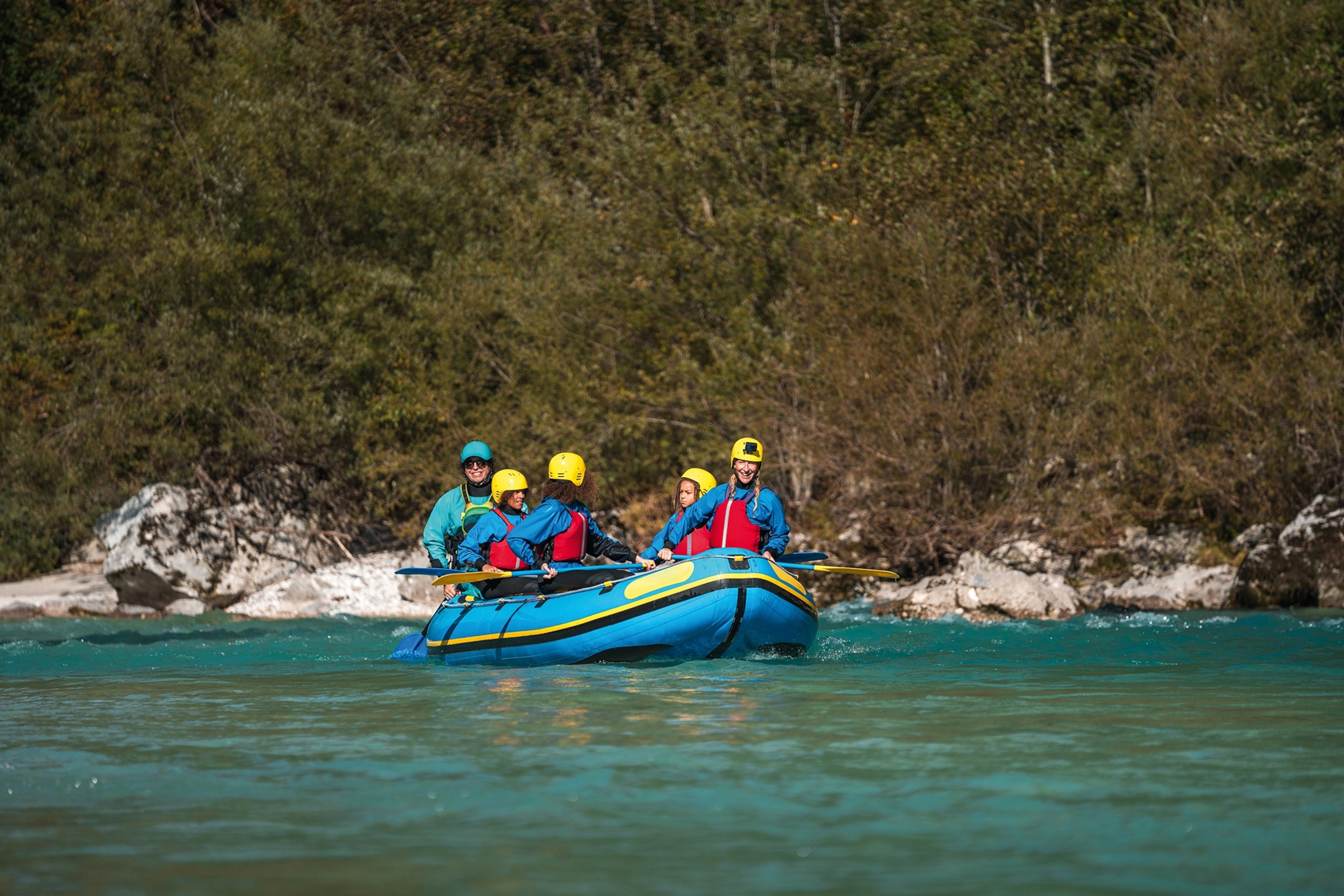
14. Try a new sport. Have you always watched packrafters or fly-fishers with envy? Make 2026 the year you take an introductory course. Pushing yourself out of your comfort zone keeps the "adventure spark" alive.
15. Take your first solo overnight. Stop waiting for your friends' schedules to align. A solo trip teaches you self-reliance and offers a level of introspection you can't get in a group. Start small—a local state park—and build your confidence.
16. Learn to navigate without GPS. Technology fails. Resolve to spend a weekend learning how to use a topo map and a compass. It’s a foundational skill that makes you a safer adventurer.
17. Train for a local 10k trail race. You don't have to win; you just have to finish. Having a date on the calendar provides the motivation to keep your fitness habits consistent through the winter months.
5. Community & Advocacy: Sharing the Outdoors
Adventure is better when shared, and the places we play need our voices.
18. Introduce a friend to camping. We were all beginners once. Be the person who provides the gear and the encouragement for someone else’s first night under the stars.
19. Support a friend’s big goal. Not every year has to be your big year. Resolve to be the "crew" for a friend’s ultramarathon or thru-hike. Handing over a cold soda at mile 70 is just as rewarding as crossing the finish line yourself.
20. Five minutes for public lands. Resolve to call or email your representative whenever a bill affecting public lands is on the table. It takes five minutes and makes a massive difference for future generations.
21. Join a local outdoor club. Whether it’s a climbing gym community or a bird-watching group, finding your "tribe" makes your resolutions much easier to stick to.
6. The 2026 Adventure Bucket List: Immersive Destinations
If you’re looking for inspiration for your "Anchor Trip," 2026 is seeing a shift toward immersive, meaningful travel.
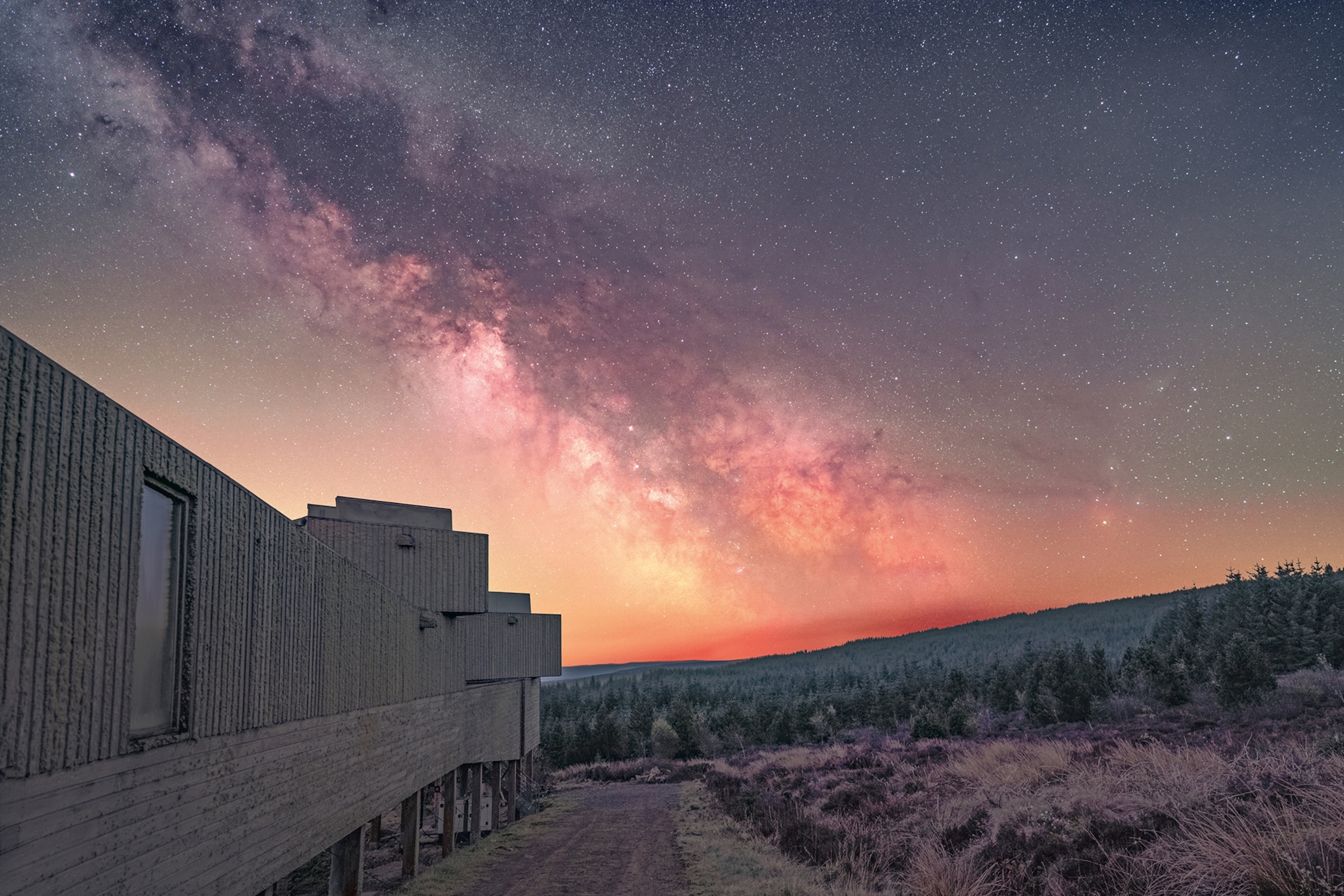
22. Stargazing in a Dark Sky Park. Northumberland in the UK or the remote corners of Utah offer views of the cosmos that will recalibrate your perspective on the world.
23. Grief retreats and healing travel. Nature has a unique way of mending the soul. Whether you’re dealing with loss or burnout, seeking out rugged, quiet environments can be more therapeutic than any traditional vacation.

24. Ancestry-based travel. Instead of just picking a spot on a map, resolve to visit the landscapes of your ancestors. Walking the same trails your great-grandparents might have walked adds a layer of cultural immersion that stays with you forever.

25. Trail running in the Lofoten Islands. If you want a physical challenge, the jagged peaks and coastal trails of Northern Norway are the gold standard for 2026.
26. Document the journey. Whether it's a dedicated outdoor journal or a film camera, resolve to capture the "why" behind your trips, not just the "where."
7. How to Make it Stick: Planning for Success
The reason most resolutions fail by "Quitter’s Day" (usually the second Friday in January) is a lack of structure. To make your 2026 goals stick, use the "Anchor Trip" strategy: book your biggest trip of the year now. Once that’s on the calendar, all your smaller habits—the training runs, the gear maintenance, the hydration—have a purpose.
| Season | Goal Type | Action Item |
|---|---|---|
| Winter | Maintenance | Wash down gear & repair winter shells. |
| Spring | Skill-Building | Take a navigation or first-aid course. |
| Summer | Big Adventure | Execute your "Anchor Trip." |
| Fall | Advocacy | Volunteer for trail work before the snow hits. |
Using SMART goals (Specific, Measurable, Achievable, Relevant, Time-bound) is another secret weapon. Instead of saying "I want to hike more," say "I will hike 5 miles every Saturday morning." Your future self will thank you when those Saturday miles turn into a successful mountain summit in July.

FAQ
Q: I’m a total beginner. Which resolution should I start with? A: Start with Resolution #18 (Join a local club) or #12 (Hydration). Building a community and taking care of your body are the two most important foundations. You don't need fancy gear to start drinking more water or meeting like-minded people.
Q: Is it really worth washing my sleeping bag? I’m afraid of ruining it. A: Absolutely. Use a front-loading washer (never a top-loader with an agitator) and a specific down-wash soap. The key is the drying process—tumble dry on low heat with 3-4 clean tennis balls to "fluff" the down back up. That 15% loft restoration is real!
Q: How do I find trail maintenance volunteer opportunities? A: Check with your local State Park office, or national organizations like the American Hiking Society. Most cities also have local "Friends of [Park Name]" groups that host weekend work parties.
Ready to make 2026 your best year yet? The trail is waiting, and those small habits are the key to unlocking it. Don't wait for "perfect" conditions—start with one gear repair or one sunset hike this week. You’ve got this!