Quick Facts
- Comfort vs. Limit: A ‘Comfort’ rating is the temperature at which a cold sleeper (statistically a woman) stays warm, whereas the ‘Limit’ rating is the threshold where a warm sleeper (statistically a man) can sleep without shivering.
- The Weight Trade-off: Ultralight sleeping bags and quilts typically weigh 50% less than traditional backpacking bags, but they achieve this by removing "redundant" features like hoods, full zippers, and draft collars.
- The System Approach: An ultralight bag is not a standalone item. It is one component of a "sleep system" that requires a high R-value pad (4.0 or higher) and appropriate insulated clothing to meet its rated temperature.
- Target Weight: For a high-performance three-season setup, your "Big Four" sleep components—the bag/quilt and the pad—should ideally weigh 2.5 pounds or less.
The Lure of the Ultralight Load
There is a specific kind of magic that happens about ten miles into a high-alpine trek when you realize your pack isn't digging into your hip bones. I’ve spent the better part of a decade chasing that feeling, whittling my gear down until my base weight hit that elusive sub-10-pound mark. The biggest victory in that quest? The sleeping bag. Switching from a bulky, four-pound synthetic mummy to a minimalist ultralight quilt felt like a cheat code.
Suddenly, my "Big Four" sleep components—the bag and the pad—hit a target weight of 2.5 pounds or less, a gold standard for three-season conditions. My pack volume plummeted, and my mileage soared. But as I learned the hard way during a late-September stint in the San Juan Mountains, that 50% weight savings compared to traditional bags comes with a steep learning curve. If you don't understand how these ratings actually work, you aren't just buying a lighter pack; you’re buying a one-way ticket to a miserable, shivering night under the stars.
Understanding the Rating Trap: Comfort vs. Limit
When you see a bold "20°F" stamped on the side of a premium ultralight bag, that number is often more of a marketing suggestion than a scientific guarantee of warmth. Most reputable brands now use the ISO or EN 23537 standard to provide some level of objectivity, but you have to know how to read between the lines.
What is the difference between comfort and limit ratings? A Comfort rating represents the lowest temperature at which a "cold sleeper" (standardized as a female) can expect to sleep comfortably in a relaxed position. A Limit rating is the temperature at which a "warm sleeper" (standardized as a male) can sleep for eight hours in a curled-up position without waking up from the cold.
If a bag is marketed as a "20-degree bag," that is almost always the Limit rating. If you are someone who reaches for an extra blanket at home, you need to look at the Comfort rating, which might be as high as 30°F or 35°F for that same bag. Then there is the "Survival" rating—a number you should ignore entirely unless you enjoy testing the boundaries of hypothermia. Survival ratings mean you won't die, but you certainly won't sleep.
Why Your Ultralight Bag Feels Colder Than Advertised
I can’t count the number of times I’ve heard hikers complain that their high-end UL bag "leaks" cold air. The truth is, the bag is likely doing exactly what it was designed to do: save weight. To shave those ounces, manufacturers make calculated sacrifices that affect your perception of warmth.
Why do ultralight sleeping bags feel colder? Ultralight bags prioritize weight by removing heavy features like full-length zippers, insulated hoods, and oversized draft collars. They are often cut narrower to reduce the amount of internal air your body needs to heat. Furthermore, these bags assume you are using a high R-value sleeping pad and wearing your insulated layers to bed.
When you remove the hood, you lose a massive amount of heat from your head. When you narrow the cut, you risk "compressing the loft" if you move around at night, creating cold spots where your knees or elbows push against the fabric. Most importantly, ultralight bags often have less insulation on the bottom because the manufacturers assume your sleeping pad will do the heavy lifting. If you’re using a 20°F UL bag on a cheap foam pad with a low R-value, you’re going to be cold, regardless of how much 850-fill down is on top of you.
The 'Sleep System' Philosophy
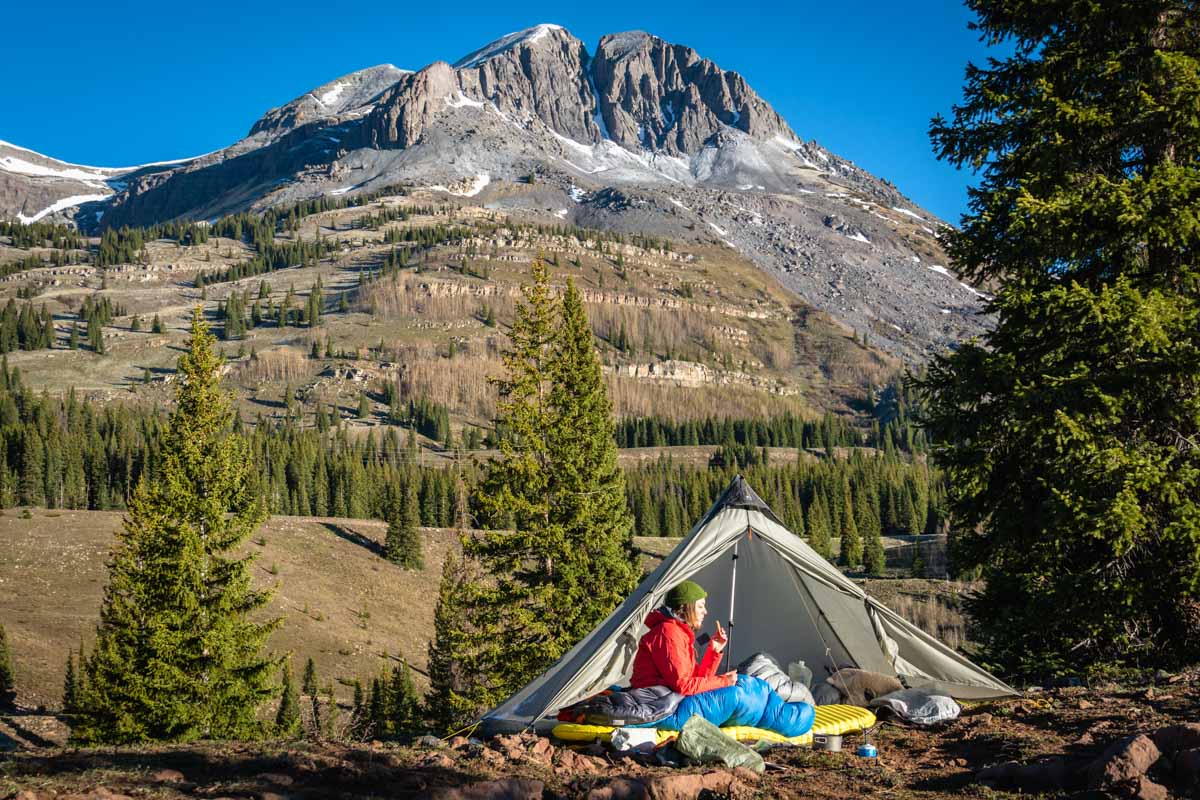
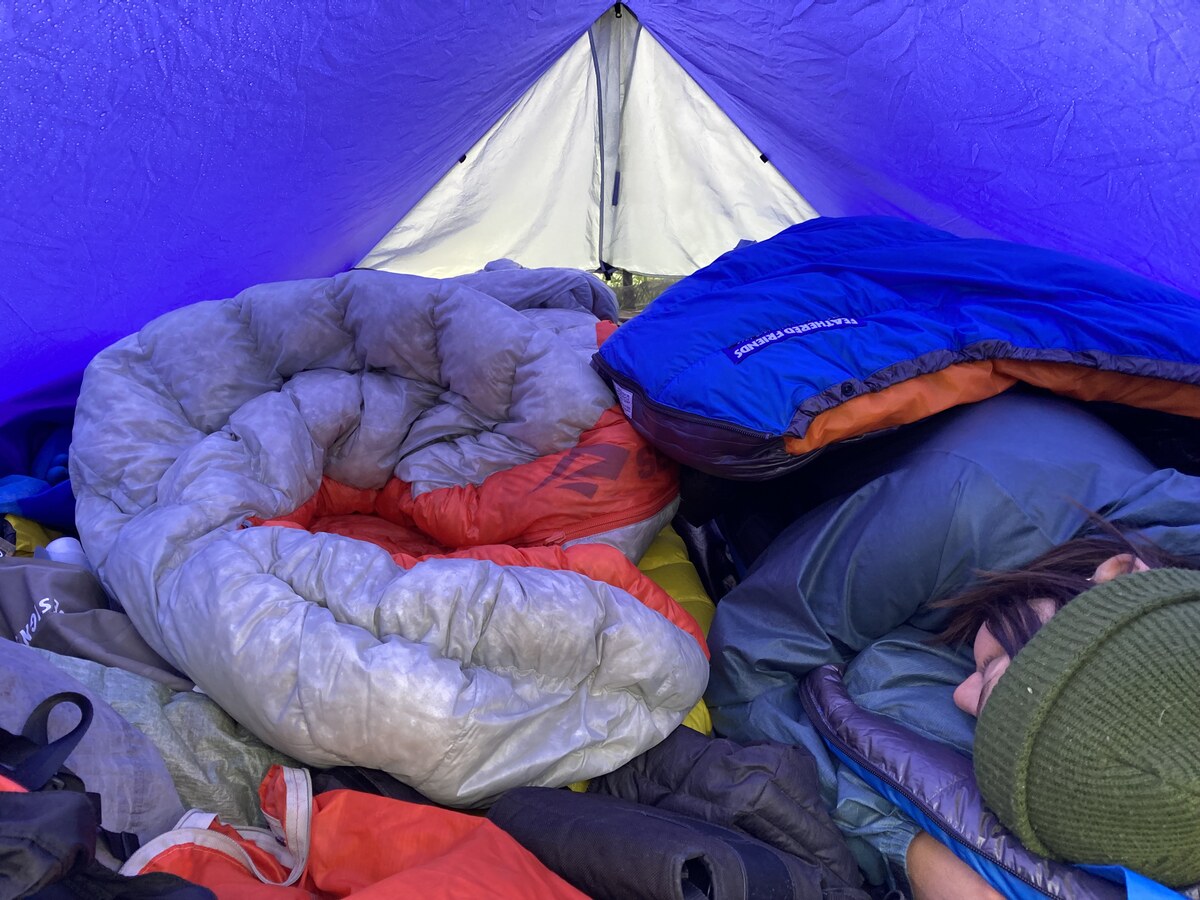
In the ultralight world, we don't talk about sleeping bags in isolation; we talk about Sleep Systems. This is the holistic combination of your shelter, pad, bag, and the clothes on your back.
To optimize your backpacking sleep system, you need to treat your down jacket as an extension of your bag. If I’m carrying a 30°F quilt, I’m planning to wear my hooded down puffer and wool base layers if the mercury drops to the limit.
The "silent partner" in this system is your sleeping pad. For three-season use in the mountains, an R-value of 4.0 or higher is non-negotiable. Heat loss to the frozen ground (conduction) is often a faster route to shivering than heat loss to the air (convection). If your bag is premium but your pad is subpar, you’re sabotaging your gear's performance. Look for bags with "draft collars"—small insulated tubes near the neck—which act as a gasket to keep your precious body heat from escaping every time you roll over.
5 Pro Tips to Stay Warm in a Minimalist Bag
Over the years, I’ve developed a ritual for those nights when the forecast looks a little more ambitious than my bag’s rating. If you find yourself in a 30°F ultralight bag and the frost is starting to form, here is how you stay warm:
- Strategic Site Selection: Don't just pitch your tent anywhere. Avoid valley floors where cold air settles (cold sinks) and stay away from water sources which increase humidity. Look for "microclimates"—under the canopy of trees or on a slight bench above the valley floor—where temperatures can be 5-10 degrees warmer.
- The Nalgene Heater: This is my favorite "backcountry hack." Right before bed, boil a liter of water, pour it into a leak-proof Nalgene bottle, and toss it into the footbox of your bag. It acts as a radiator for up to 10 hours and keeps your extremities toasty.
- The Pre-Sleep Burn: If you crawl into a bag cold, you’ll stay cold. Your bag doesn't generate heat; it retains it. Do 20 crunches or some jumping jacks right before you get in—just enough to get your core temp up without breaking a sweat.
- Dry Layers Only: Never wear the base layers you hiked in to bed. Even if they feel dry, they likely contain salt and residual moisture that will rob you of heat. Always keep a dedicated, bone-dry set of wool leggings and a top for sleeping.
- Manage Your Loft: Down is a miracle insulator, but it hates moisture. If you’re using a single-wall tarp or tent, be mindful of condensation. If the foot of your bag touches the damp tent wall, the down will collapse, and you'll have frozen toes by 3:00 AM.
Mummy Bags vs. Quilts: Which Is Right for You?
The debate between traditional mummy bags and ultralight quilts is the "Ford vs. Chevy" of the trail. Your choice depends entirely on your sleep style and your tolerance for drafts.
| Feature | Mummy Bag | Ultralight Quilt |
|---|---|---|
| Warmth Efficiency | Excellent; integrated hood and full enclosure trap heat. | Good; relies on pad attachment to prevent drafts. |
| Weight | Heavier (due to zippers, hood, and back insulation). | Lightest possible option; removes "dead" weight. |
| Versatility | Limited; can be restrictive for side sleepers. | High; can be opened up like a blanket in warm weather. |
| Ease of Use | "Set it and forget it." | Requires a learning curve with pad straps. |
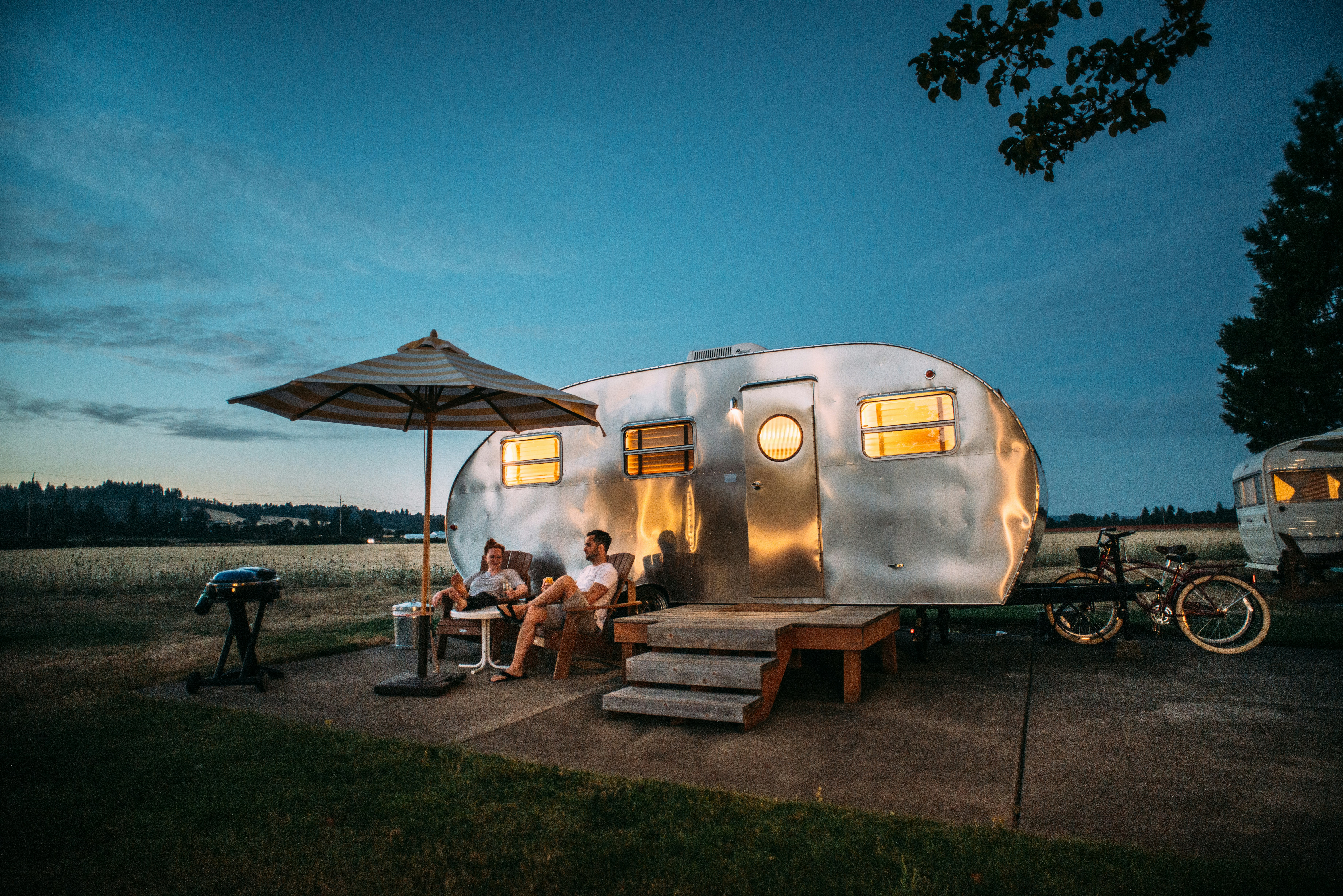
For most side sleepers or "active" sleepers who toss and turn, a quilt is a revelation. It allows you to move your legs without getting tangled in a nylon cocoon. However, quilts require a robust pad attachment system. Without those straps keeping the quilt tucked under you, every move you make will invite a rush of cold air—the "draft of death" as we call it in the UL community.
Safety Warning: Experience > Gear
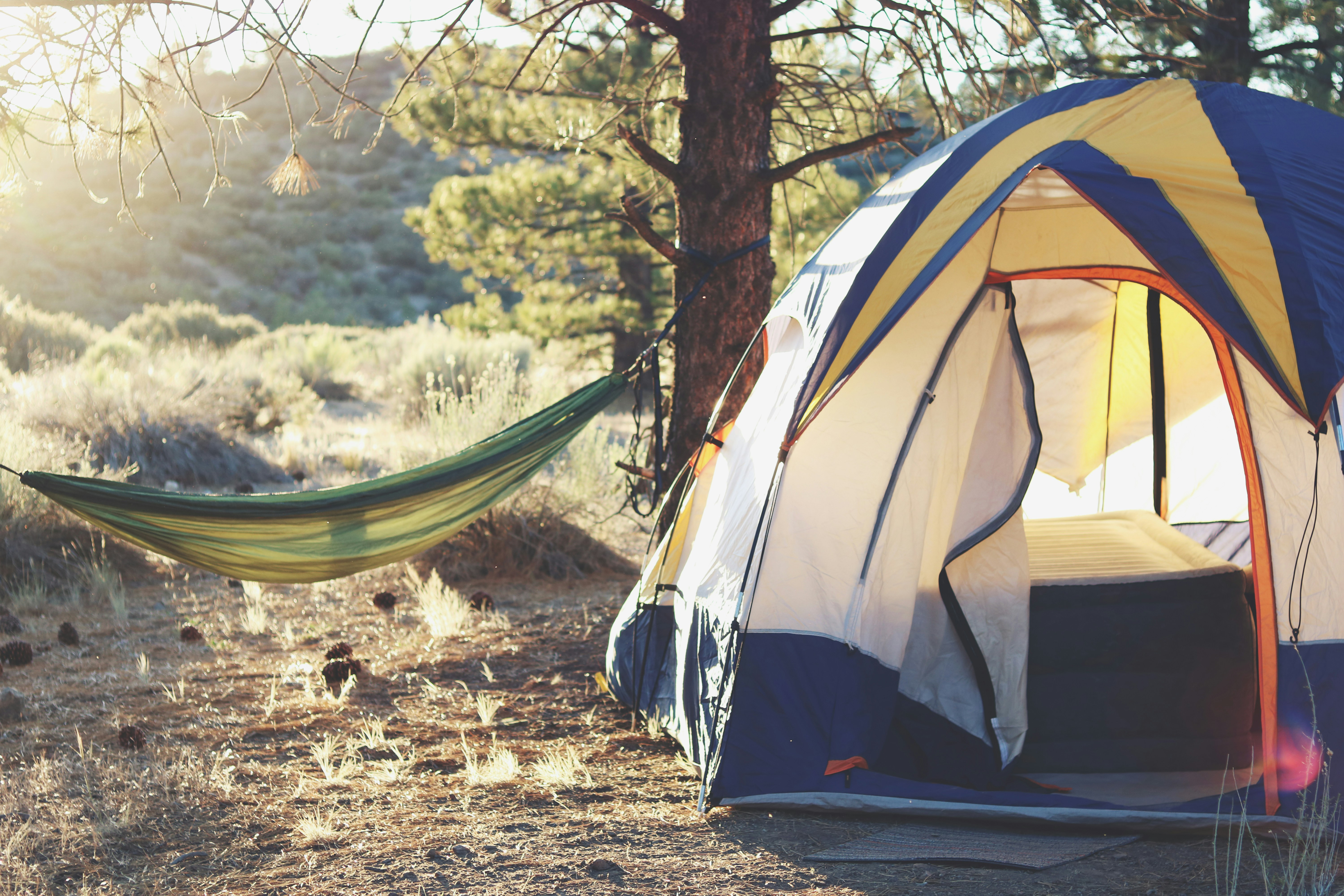
I always tell new hikers: don't jump into the deep end of ultralight gear until you've mastered the basics. A minimalist 30°F quilt in the hands of an experienced thru-hiker is a precision tool; in the hands of a novice, it’s a liability.
If you are just starting your outdoor journey, stick with a classic 3-season hooded mummy bag. It is much more forgiving of poor campsite selection and bad layering choices. As you gain more "trail miles" and understand your own metabolic furnace—whether you're a naturally hot or cold sleeper—then you can start shaving those ounces.
Never take a new, minimalist sleep system on a multi-day thru-hike without testing it first. Spend a night in your backyard or at a local car-camping spot during a cold snap. Learn how to adjust your pad straps and how to layer your clothes effectively. Experience is the best insulator you can carry.
FAQ
Q: Can I trust the temperature rating on a cheap ultralight bag from a random online marketplace? A: Generally, no. Only trust ratings that specifically mention ISO or EN 23537 certification. Many budget brands use "subjective" ratings that are wildly optimistic. Stick to established brands like Feathered Friends, Western Mountaineering, or Enlightened Equipment for true accuracy.
Q: Is 850-fill down better than 650-fill? A: "Fill power" measures the loft or "fluffiness" of the down. 850-fill down provides more warmth for less weight than 650-fill. In the ultralight world, higher fill power is always preferred because it allows the bag to be lighter and more compressible.
Q: How do I wash my ultralight bag without ruining the loft? A: Never use standard detergent. Use a specialized "Down Wash" and a front-loading washing machine on a delicate cycle. The most critical part is the drying—use low heat and throw in three clean tennis balls to break up the down clumps. It can take 3-4 hours to dry completely.
Ready to lighten your load? Whether you're prepping for the PCT or just a weekend in the Whites, understanding your gear is the first step to a successful expedition. If you found this guide helpful, check out our deep dive into the Best Ultralight Sleeping Pads of 2024 to complete your sleep system.