Quick Facts
- Fabric is King: Stick to synthetic blends (polyester/nylon) or lightweight merino wool. Avoid cotton at all costs; it’s a one-way ticket to "soggy misery" and chafing.
- Sun Protection > Air Exposure: While it sounds counterintuitive, long-sleeve sun hoodies offer better cooling and UV protection than tank tops by creating a personal shade environment and reducing skin-to-sun contact.
- The Half-Size Rule: Always size up your summer hiking footwear by 0.5 to accommodate the natural foot swelling that occurs in high temperatures.
- The 30-Degree Safety Buffer: Even if it’s 90°F at the trailhead, alpine environments can drop by 30°F in minutes during a summer storm. Always carry a lightweight emergency shell.
Introduction: The Secret to Staying Cool on the Trail
I’ve been there—staring at 47 open browser tabs, cross-referencing fabric weights and UPF ratings until my eyes glaze over. It’s called gear "analysis paralysis," and it hits even the most seasoned hikers when the summer heat starts to peak. We’ve all had that one hike where we thought a simple cotton tee and gym shorts would suffice, only to end the day with a painful sun-crisped neck and thighs that feel like they’ve been rubbed with sandpaper.
The truth is, a high-performance summer hiking outfit is about more than just wearing less. It’s about building a technical micro-climate around your body. When you’re miles deep into a wilderness area, your clothing is your first line of defense against the elements. The "secret" isn't rocket science, but it is science: it’s all about moisture management and thermal regulation. To stay cool, you need fabrics that pull sweat away from your skin and evaporate it instantly.
For high-intensity summer treks, your primary goal is to ditch the cotton. Cotton is an "absorbent" fiber; it holds onto moisture, stays wet for hours, and loses all its structural integrity. Instead, professional hikers rely on synthetic blends like polyester and nylon for their durability and lightning-fast dry times, or lightweight merino wool for its incredible odor resistance and temperature regulation.
Core Principles: Moisture-Wicking and Breathability
If there is one phrase that should be tattooed on every hiker’s brain, it’s "Cotton Kills." While that sounds dramatic for a sunny July afternoon, the reality is that moisture retention is the enemy of comfort and safety. Wet clothing causes friction, and friction leads to the kind of chafing that can end an expedition early. Furthermore, if you get caught in a sudden downpour or as the sun dips behind a ridge, that wet cotton shirt can actually lead to hypothermia, even in summer.
Expert trail data indicates that hikers can lose over 1 liter of sweat per hour during high-intensity summer treks. That is a staggering amount of liquid. If your clothes aren't actively moving that moisture to the surface to evaporate, you’re essentially hiking in a mobile sauna. Synthetic fabrics are engineered with "capillary action," meaning the fibers are shaped to pull moisture away from the skin.

Pro Tip: Look for "mechanical stretch" in your synthetic gear. This means the fabric is woven to be stretchy without the use of heavy spandex, which tends to hold onto water and take longer to dry.
Shop High-Performance Base Layers →
Upper Body: The Sun Protection Strategy
The old-school approach to summer hiking was "less is more"—think tank tops and high-cut shorts. However, the modern "Trail-Tested" approach has shifted toward the Sun Hoodie. It seems backwards to wear long sleeves in 90-degree heat, but hear me out: a lightweight, UPF-rated sun hoodie provides consistent protection that doesn’t wash off with sweat. It creates a pocket of moving air around your skin and eliminates the need to reapply greasy sunscreen every 60 minutes.
Technical Base Layers
When I’m not in a hoodie, I’m wearing a lightweight merino wool tee, such as the Smartwool 150 series. Merino is a miracle fiber; it’s naturally antimicrobial, meaning you can wear it for three days in the backcountry without smelling like a locker room.
Ventilation is Your Best Friend
I always look for shirts with "zoned" construction—mesh panels under the arms and down the back where your pack sits. This is where the heat builds up most. If you're wearing a button-down "safari-style" shirt, look for those with a cape-vented back.

Browse Editor's Choice Sun Hoodies →
Lower Body: Shorts, Pants, or Hiking Dresses?
The "Shorts vs. Pants" debate is as old as the trails themselves. Personally, I’m a shorts guy for most summer excursions. I prefer a 5-inch to 7-inch inseam; it’s long enough to prevent the dreaded "inner thigh rub" but short enough to allow for a full range of motion when I’m scrambling over granite boulders.
However, there are three scenarios where I will always choose technical pants:
- Tick Country: If I'm trekking through tall grass in the Northeast or Midwest.
- Overgrown Trails: When stinging nettles and thorny brush are high.
- High UV Exposure: When I’m spending hours above the treeline on a glacier or exposed ridge.
For those who prefer a "breezier" experience, hiking dresses and kilts have seen a massive surge in popularity. They offer the ultimate ventilation, though you’ll want to pair them with a pair of moisture-wicking spandex liners to prevent chafing.
Stats Box: In high-altitude environments, UV intensity increases by roughly 10% for every 1,000 feet of elevation gain. This makes high-UPF pants a survival tool, not just a fashion choice.
Footwear and Blister Prevention
If your feet fail, the hike is over. In the summer, I’ve almost entirely ditched heavy leather boots in favor of Trail Runners. They are lighter, more breathable, and dry significantly faster if you have to do a creek crossing.
The Sizing Secret
Here is the most important tip I can give you: Size up by at least a half-size. As you hike in the heat, blood flow increases and your feet will naturally swell. A boot that fits perfectly in the store will feel like a medieval torture device at mile ten.
The Sock System
To prevent summer hiking blisters, I swear by moisture-wicking toe socks (like Injinji). By wrapping each toe individually, you eliminate skin-on-skin friction, which is the primary cause of between-the-toe blisters. Combine these with a synthetic or merino wool outer sock to pull moisture away from the foot.
Blister Care
Don't wait for a blister to form. The moment you feel a "hot spot," stop. Apply a piece of Leukotape directly to the skin. Unlike bandages, Leukotape is incredibly sticky and won't move even when your feet are sweating.
The Safety Buffer: Layering for Alpine Storms
This is where many summer hikers get into trouble. Just because it’s a bluebird day at the trailhead doesn’t mean it will stay that way. Mountain safety analysis suggests that alpine temperatures can drop by up to 30 degrees Fahrenheit during sudden summer storms.
I never head into the mountains without a "Three-Layer Safety System," even in July:
- The Base Layer: My moisture-wicking sun hoodie.
- The Active Insulation: A lightweight "puffy" or fleece.
- The Shell: An ultralight wind or rain jacket.
When a thunderstorm rolls in at 11,000 feet, you will see the temperature plummet and the wind pick up instantly. Having a shell to trap your body heat is what prevents a fun afternoon from turning into an emergency call.

Critical Accessories for Heat Management
The gear you wear on your extremities can make or break your thermal comfort.
- Headwear: A wide-brimmed hat is great for 360-degree shade, but a trucker hat with a mesh back offers better ventilation for your scalp.
- Hydration & Electrolytes: Remember the 1-liter-per-hour stat? You aren't just losing water; you're losing salts. Electrolyte replenishment is as critical as water intake to avoid hyponatremia (dangerously low sodium levels). I always carry salt tabs or electrolyte powder.
- Cooling Tech: One of my favorite "pro moves" is the stream dunk. If you pass a cold mountain stream, soak your neck gaiter or hat in the water. The evaporative cooling effect as you hike will drop your perceived temperature significantly.
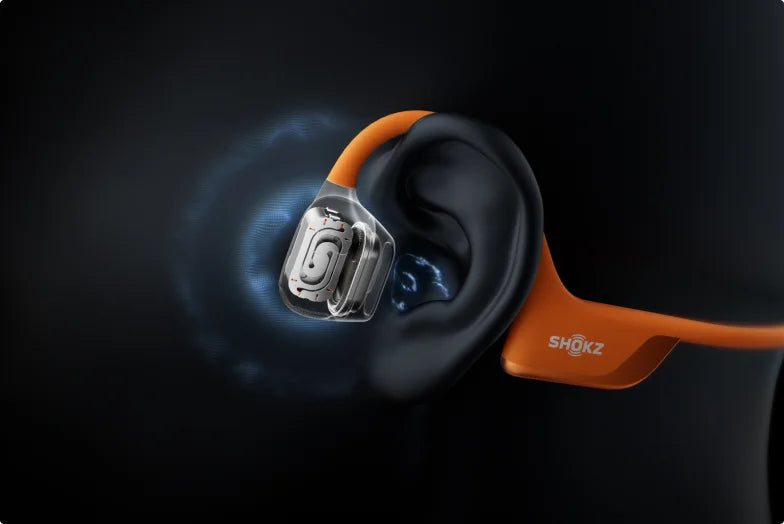
- Audio Awareness: If you like listening to podcasts or music while solo trekking, use bone-conduction headphones. They allow you to hear the wind, the birds, and—more importantly—rattlesnakes or other hikers approaching.
Summary Table: Summer Gear Checklist
| Category | Recommended Item | Key Feature |
|---|---|---|
| Top | Sun Hoodie (UPF 50+) | Breathable, protects neck/arms |
| Bottom | 5-7" Trail Shorts | Mobility and ventilation |
| Base Layer | Lightweight Merino Tee | Odor control and moisture-wicking |
| Footwear | Trail Runners (0.5 size up) | Lightweight and quick-drying |
| Socks | Synthetic Toe Socks | Blister prevention via zero friction |
| Outer Layer | Ultralight Rain Shell | Protection against 30°F temp drops |
| Accessory | Electrolyte Powder | Prevents hyponatremia and cramping |
FAQ: What to Wear Hiking in Summer
Q: Can I just wear my gym clothes for hiking? A: To an extent, yes. Most gym clothes are synthetic (polyester). However, gym gear often lacks the durability required for the trail—bushes will snag it, and heavy packs will pilled the fabric. Also, gym shorts usually lack the specialized pockets and UPF protection found in dedicated hiking gear.
Q: Is white the best color for summer hiking? A: While light colors reflect heat, they often have lower UPF ratings because UV rays can pass through the gaps in the fabric more easily. Many technical "summer" colors are light greys, blues, or tans that balance heat reflection with UV blockage.
Q: Do I really need a rain jacket if the forecast is 0% chance of rain? A: In the mountains, yes. Mountain weather creates its own systems. A "clear" forecast can turn into a hail storm in twenty minutes. That 3-ounce wind shell in your pack is your "get out of jail free" card.
Join the Adventure
Getting your summer kit dialed in is the first step toward bigger, bolder expeditions. Don't let the heat hold you back—equip yourself with gear that works as hard as you do.
Have a specific gear question or a "trail fail" story of your own? Drop a comment below or tag me in your trail photos. I'll see you out there!