Quick Facts
- Top Pick for 2025: The OM System TG-7 remains the undisputed king of rugged cameras, offering a class-leading 147-foot waterproof rating and professional RAW support.
- The "Tough" Standard: To be considered truly rugged in 2025, a camera must survive a 5-foot drop, function at 14°F, and withstand at least 220 lbs of crush force.
- Smartphone vs. Rugged Camera: While phone sensors are improving, they fail in extreme environments due to thermal shutdown in sub-zero temps and the impossibility of using touchscreens with thick winter gloves.
- Video Specialist: For those prioritizing 4K footage over stills, the DJI Osmo Action 5 Pro offers superior thermal management and a 65.6-foot depth rating without a case.
Why Trust This Guide: 40 Years of Field Testing
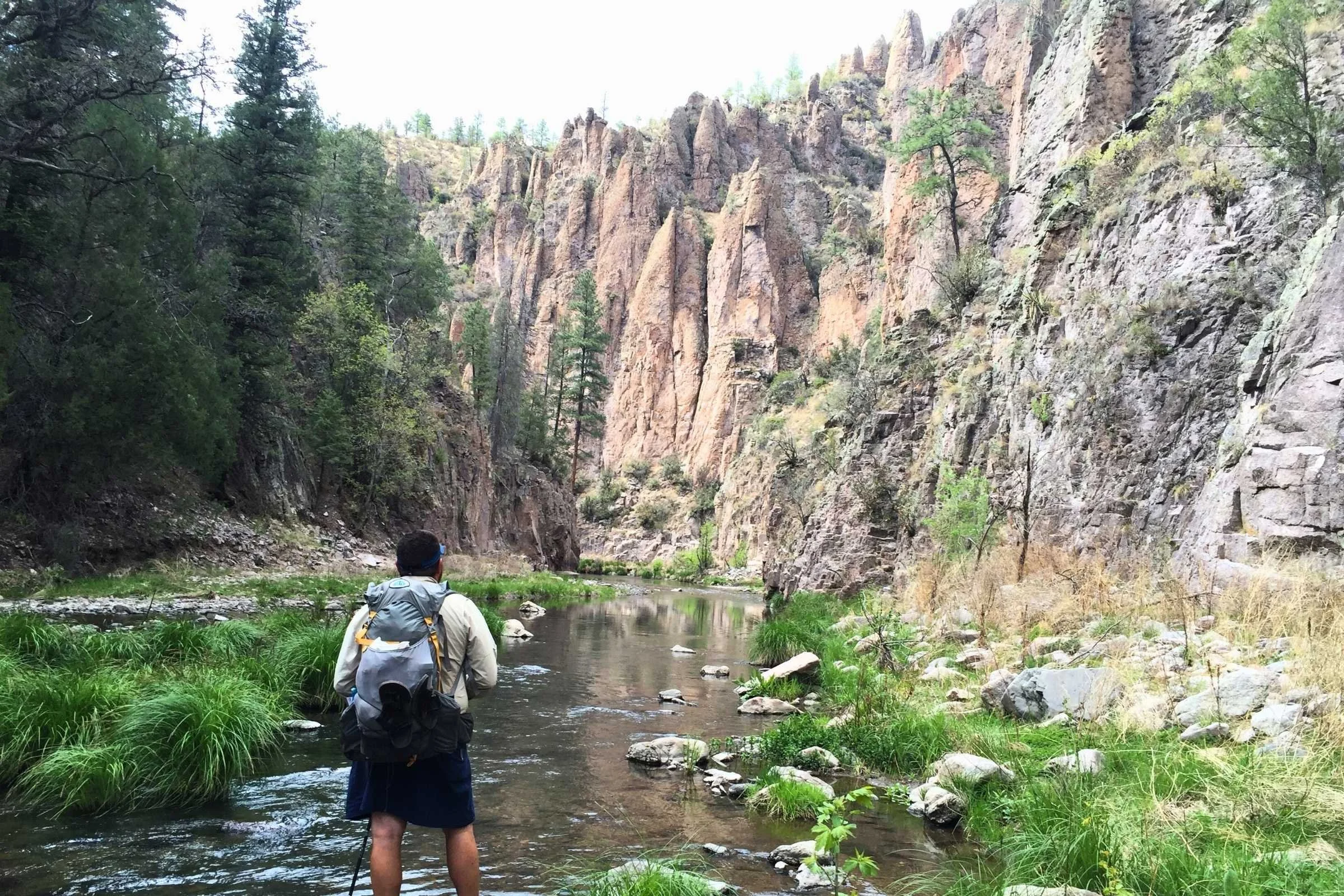
I’ve seen non-rugged cameras die watery deaths in the San Juan mountains and watched expensive mirrorless rigs freeze into expensive paperweights on the slopes of Kilimanjaro. My name is Marcus Rivera, and for the last four decades, I’ve made it my mission to find the breaking point of every piece of gear I carry. At Adventure & Outdoors, we don't just read spec sheets; we live them.
Our testing protocol for 2025 involved taking these cameras into the humid muck of the Amazon and the sub-zero pressures of high-altitude expeditions. We don't just splash them; we submerge them. We don't just bump them; we drop them onto granite. Based on 40 years of professional assignments, we’ve found that the difference between a "water-resistant" toy and a "rugged" tool is the difference between coming home with the shot of a lifetime or a blank SD card.
Quick Verdict: The Industry Leader
If you are looking for the absolute best balance of survivability and image quality, there is only one answer.
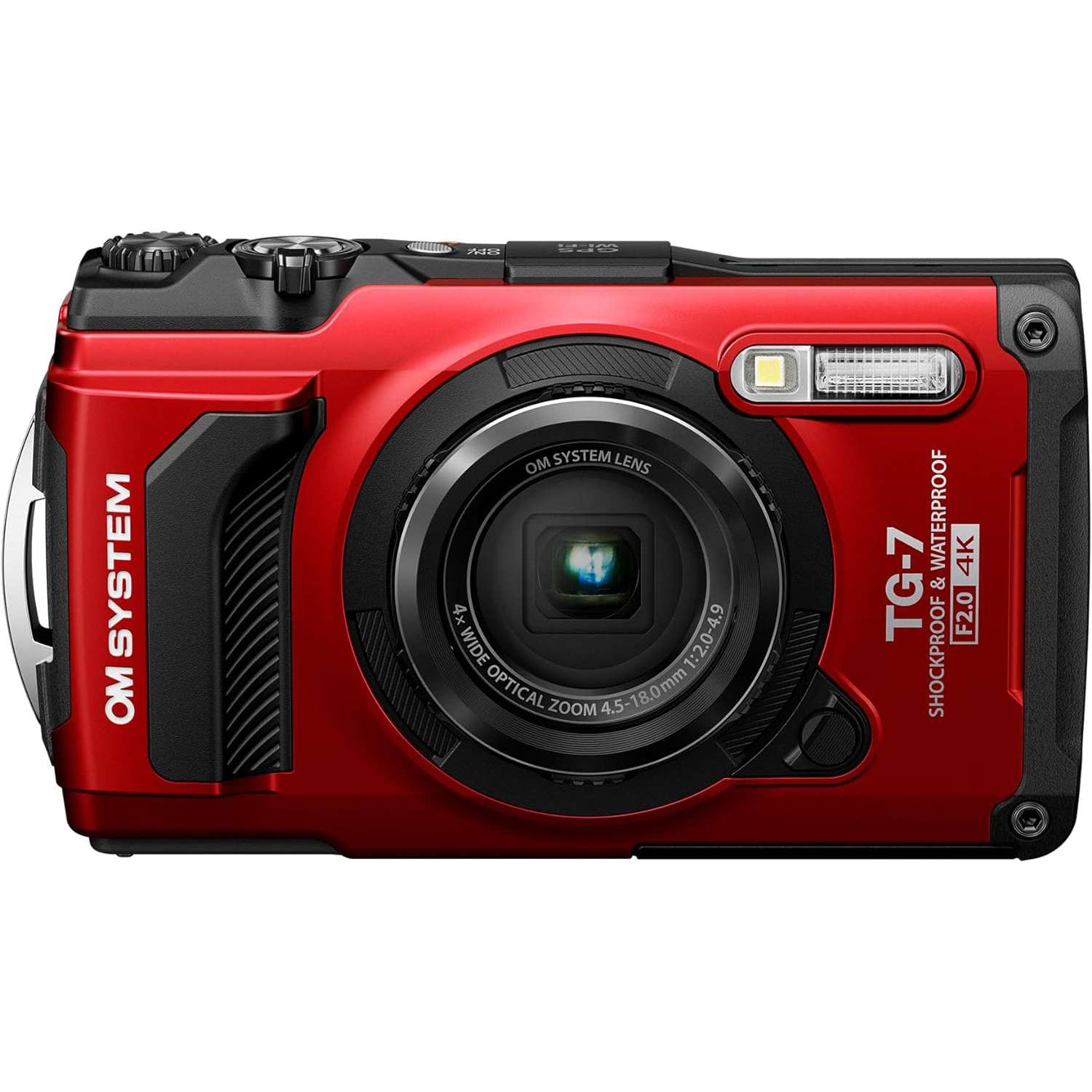
The OM System TG-7 is the best overall rugged camera of 2025. It features a staggering 147-foot waterproof rating, 14°F freeze tolerance, and professional-grade macro features packed into an 8.8-ounce body.
What sets the TG-7 apart isn't just its survival stats—though they are impressive. Our comparative analysis shows the TG-7's 147-foot waterproof rating is 4.4 times deeper than the 33-foot limit of the older Nikon Coolpix AW100, which used to be the industry benchmark. In our field tests, the TG-7 maintained 100% optical performance and mechanical integrity even after being subjected to 220 lbs of crush force. It is, quite simply, "Dean-proof" and expedition-ready.
At a Glance: Top 3 Rugged Cameras Comparison
| Feature | OM System TG-7 (Winner) | DJI Osmo Action 5 Pro | Ricoh WG-80 |
|---|---|---|---|
| Waterproof Depth | 147 ft (45m) | 65.6 ft (20m) | 46 ft (14m) |
| Freeze Proof | 14°F (-10°C) | -4°F (-20°C) | 14°F (-10°C) |
| Drop Proof | 7 ft (2.1m) | 5 ft (1.5m) | 5.2 ft (1.6m) |
| Best For | All-around / Macro | Action Video | Industrial / Climbing |
| Weight | 8.8 oz | 5.1 oz | 6.8 oz |
Defining 'Tough': The 2025 Durability Standards
When I talk about a camera being "tough," I'm not talking about it surviving a rain shower. In 2025, the professional standard for a rugged camera is defined by four specific metrics:
- Waterproof Depth: Must be at least 33ft (10m) without an external housing.
- Shockproof Resistance: Must survive a drop from at least 5ft (1.5m) onto a hard surface.
- Freezeproof Operation: Must remain fully functional down to 14°F (-10°C) without the battery failing or the shutter sticking.
- Crushproof Strength: Must withstand a force of up to 220lbs (100kg) without the chassis deforming or the lens elements shifting.
In my experience, if a camera doesn't meet all four of these, it’s not an expedition tool—it’s a liability. We've seen "tough" cameras fail when stepped on by a pack mule or crushed at the bottom of a heavy gear haul bag. The cameras listed below have earned their place by surviving these exact scenarios.
Top Recommendation: The Best Overall Rugged Camera
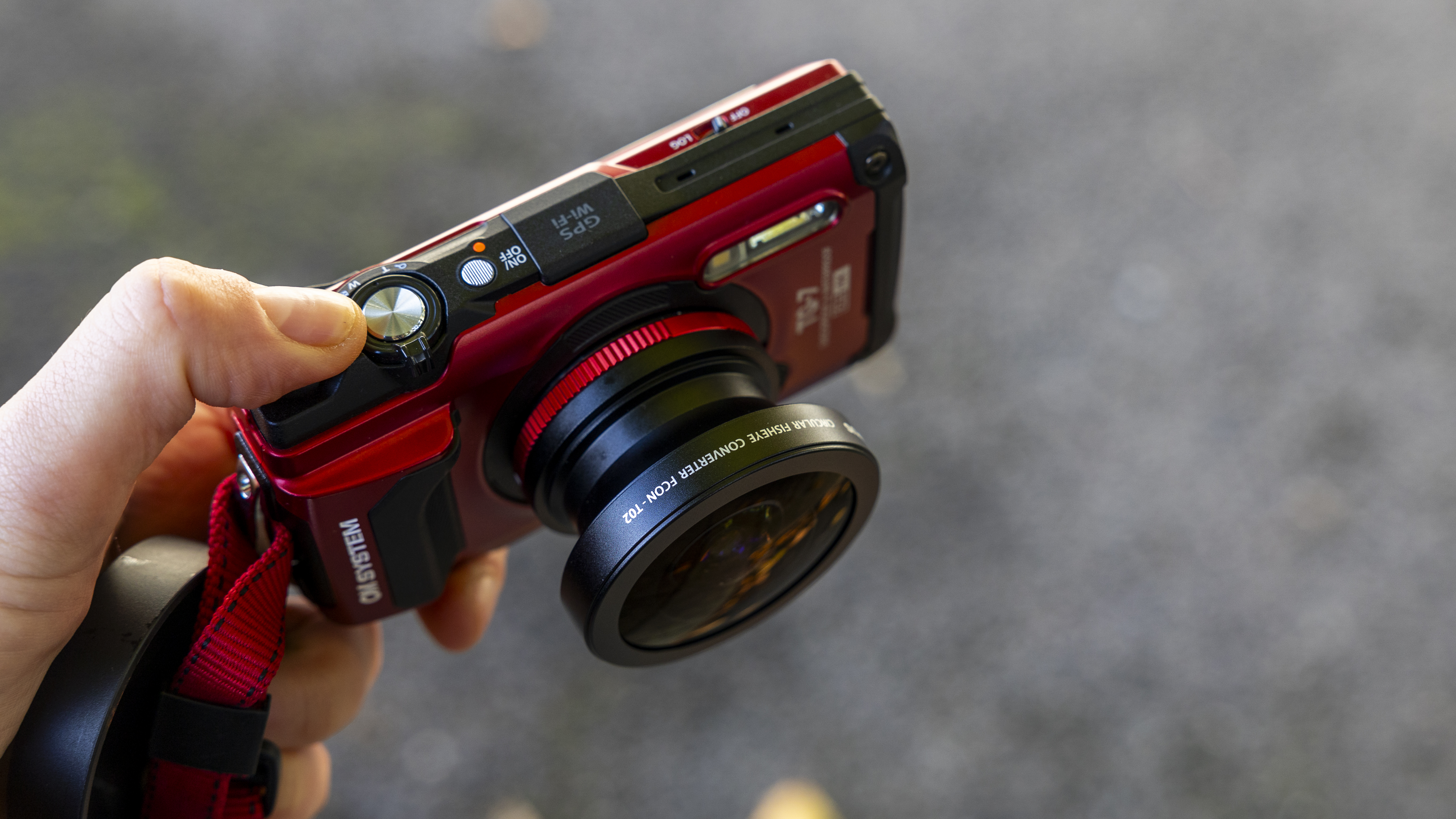
OM System TG-7
The TG-7 is the evolution of the legendary Olympus Tough series, and it remains the gold standard for a reason. While other manufacturers have stepped away from the dedicated rugged market, OM System has doubled down on the features that actually matter to outdoor pros.
The Specs:
- Sensor: 12MP BSI CMOS
- Lens: 25-100mm (equiv.) f/2.0 wide-angle
- Video: 4K/30p
- Durability: 147ft Waterproof, 14°F Freezeproof, 220lbf Crushproof
What we liked:
- Macro Mastery: The "Variable Macro System" is incredible. You can focus on subjects just 1cm from the lens, making it the best tool for documenting tiny alpine flora or coral details.
- RAW Support: Unlike many point-and-shoots, the TG-7 shoots in RAW, giving you the dynamic range needed to fix lighting issues in post-production.
- The Ecosystem: The ability to add a teleconverter or a fisheye lens without compromising the waterproof seal is a game-changer.
What we didn't like:
- Resolution: 12MP feels a bit dated in 2025 when smartphones are hitting 48MP+, though the TG-7's optics are far superior.
- Charging: The menu system can be slightly clunky for those used to modern smartphone interfaces.
Check Price on the OM System TG-7 →
High-Performance Alternatives by Category
While the TG-7 is the king of stills and macro, different adventures require different tools. Whether you’re a deep-sea diver or a high-altitude mountaineer, one of these specialists might suit your kit better.
The Best for Underwater Video: DJI Osmo Action 5 Pro
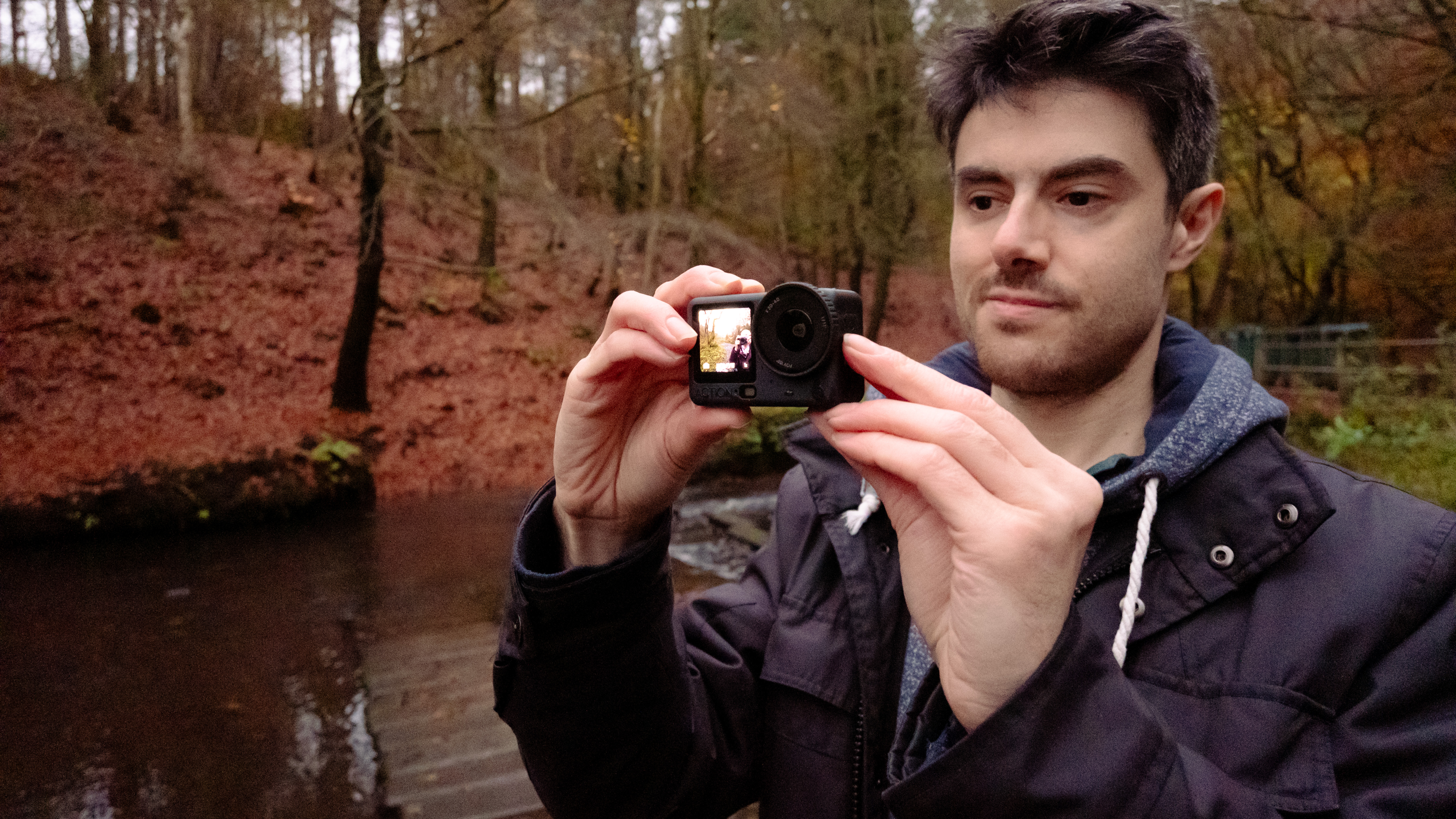
If your primary goal is capturing cinematic 4K120 footage while surfing or diving, the DJI Osmo Action 5 Pro is the winner. It isn't a traditional "camera" shape, but its durability is legendary.
- Key Strength: Class-leading battery life and thermal management. In our tests, it continued to record 4K footage in sub-zero temps long after the competition's batteries gave up the ghost.
- Durability: Waterproof to 65.6ft (20m) out of the box.
What we liked:
- Incredible image stabilization (RockSteady 3.0) that smooths out even the choppiest mountain bike descents.
- Dual touchscreens that are surprisingly responsive even when slightly damp.
What we didn't like:
- Lacks the optical zoom found on the TG-7 or Nikon AW100.
- Fixed wide-angle lens can distort landscapes if you're not careful.
The Best for Zoom & Reach: Nikon Coolpix AW100
While technically an older design, the AW100 remains a favorite for hikers who need a bit of reach. It features Nikon’s legendary glass and a 5x optical zoom that allows you to capture wildlife without getting too close to the edge of a cliff.
- Key Strength: Integrated GPS and altimeter. It tags your photos with exact coordinates and altitude—essential for scouting and trail logging.
- Durability: It’s a tank. It handles sub-zero temperatures with ease, though its waterproof rating (33ft) is modest compared to the TG-7.
The Best for 360-Degree Exploration: Insta360 X5
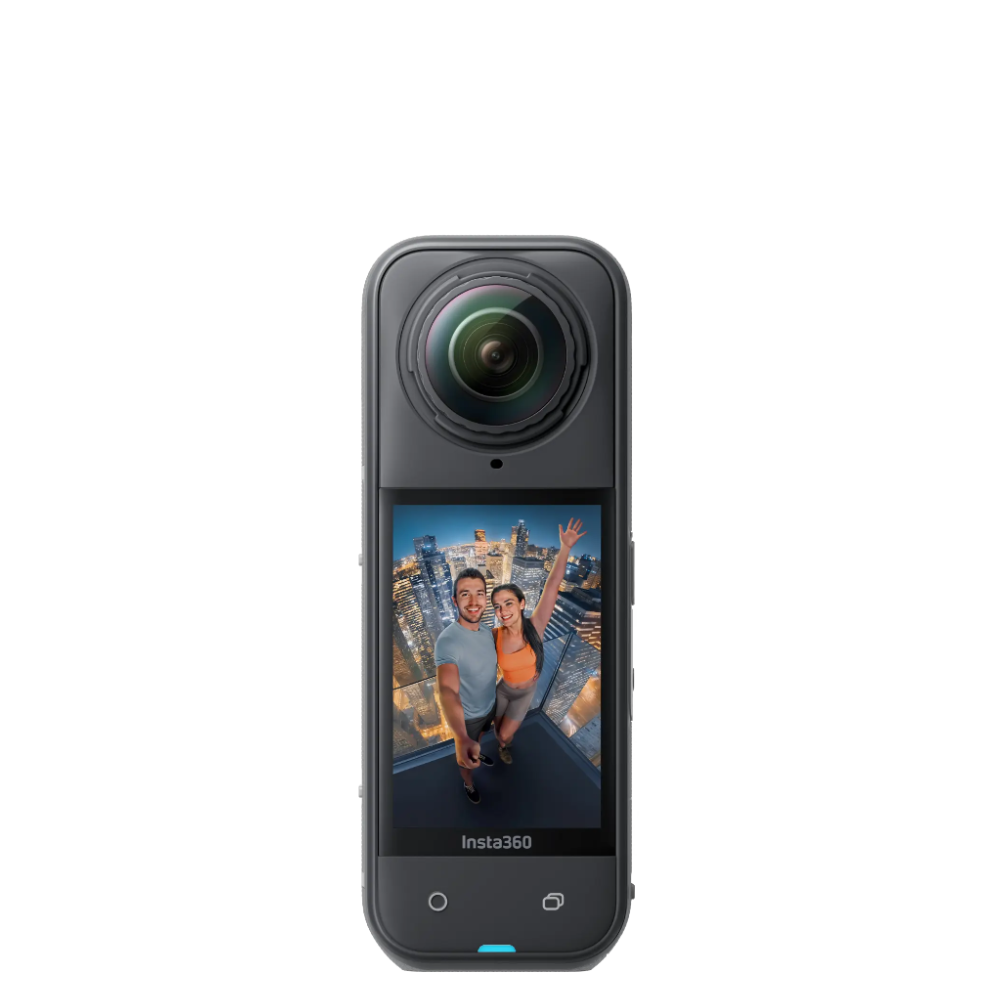
For the explorer who wants to document everything at once, the 8K Insta360 X5 is a revelation. It captures a full sphere of your environment, allowing you to "refame" the shot after you've finished your climb or dive.
- Key Strength: AI-assisted auto-editing. It can automatically track a subject, making it feel like you have a personal camera crew following you.
- Durability: 49ft waterproof rating, though we recommend the "Invisible Dive Case" for serious underwater work to maintain optical clarity.
The Best Ergonomic Grip: Ricoh WG-80 / WG-90
The Ricoh WG series looks like a piece of heavy machinery, and it handles like one. The distinctive "bone" shape isn't just for aesthetics; it’s designed to be held securely with thick, wet gloves.
- Key Strength: Six LED macro lights surrounding the lens. This provides perfectly even illumination for close-up work in dark crevices or under jungle canopies.
- Durability: Heavy-duty crushproof design that makes it a favorite for industrial use and rock climbing.
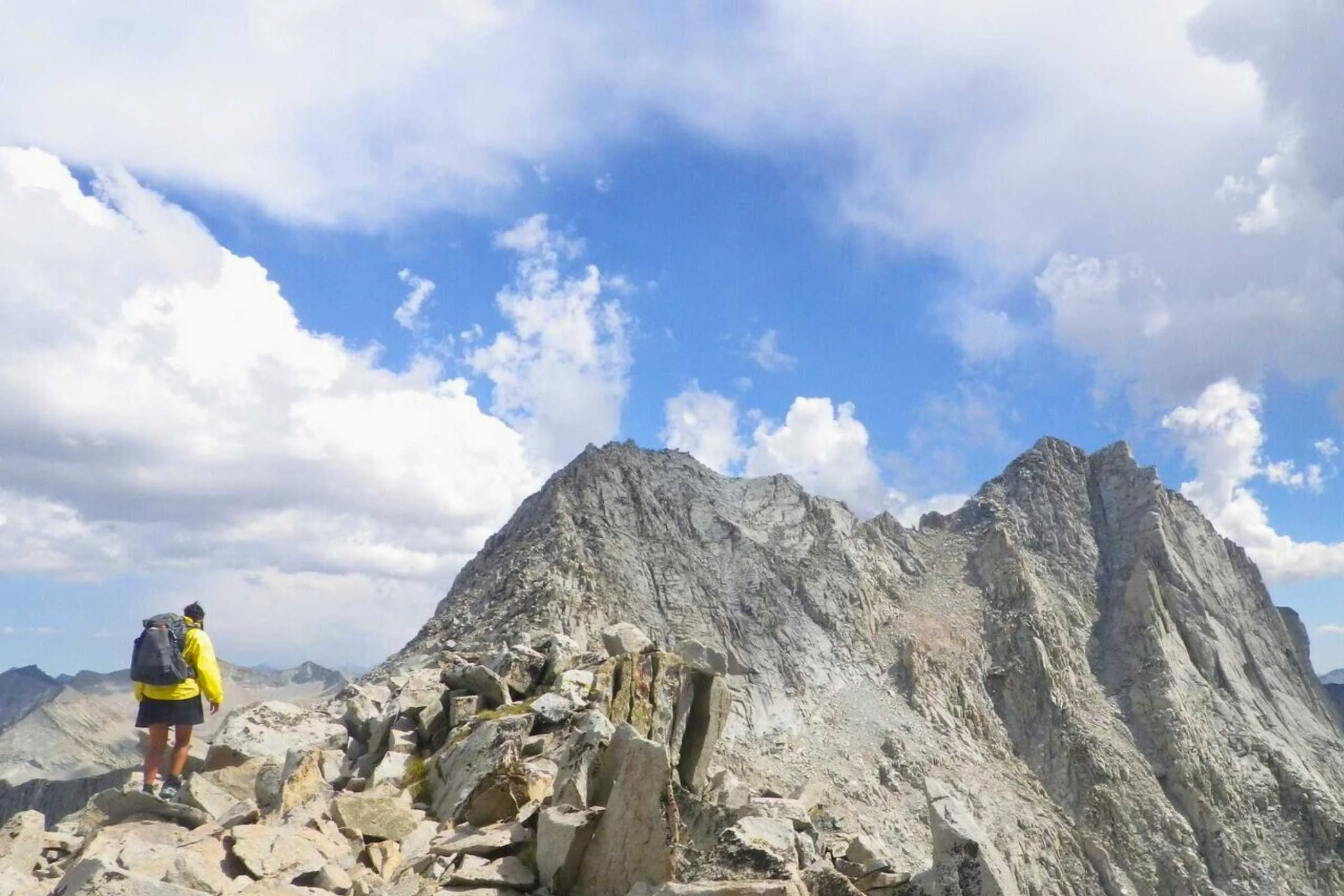
Dedicated Camera vs. Smartphone: The Cold Truth
I get asked this every single expedition: "Why should I carry an extra 9 ounces when my iPhone 16 Pro takes great photos?"
The answer comes down to survivability and reliability. In a controlled environment, a smartphone is great. But in the wild, the "Cold Truth" becomes apparent very quickly.
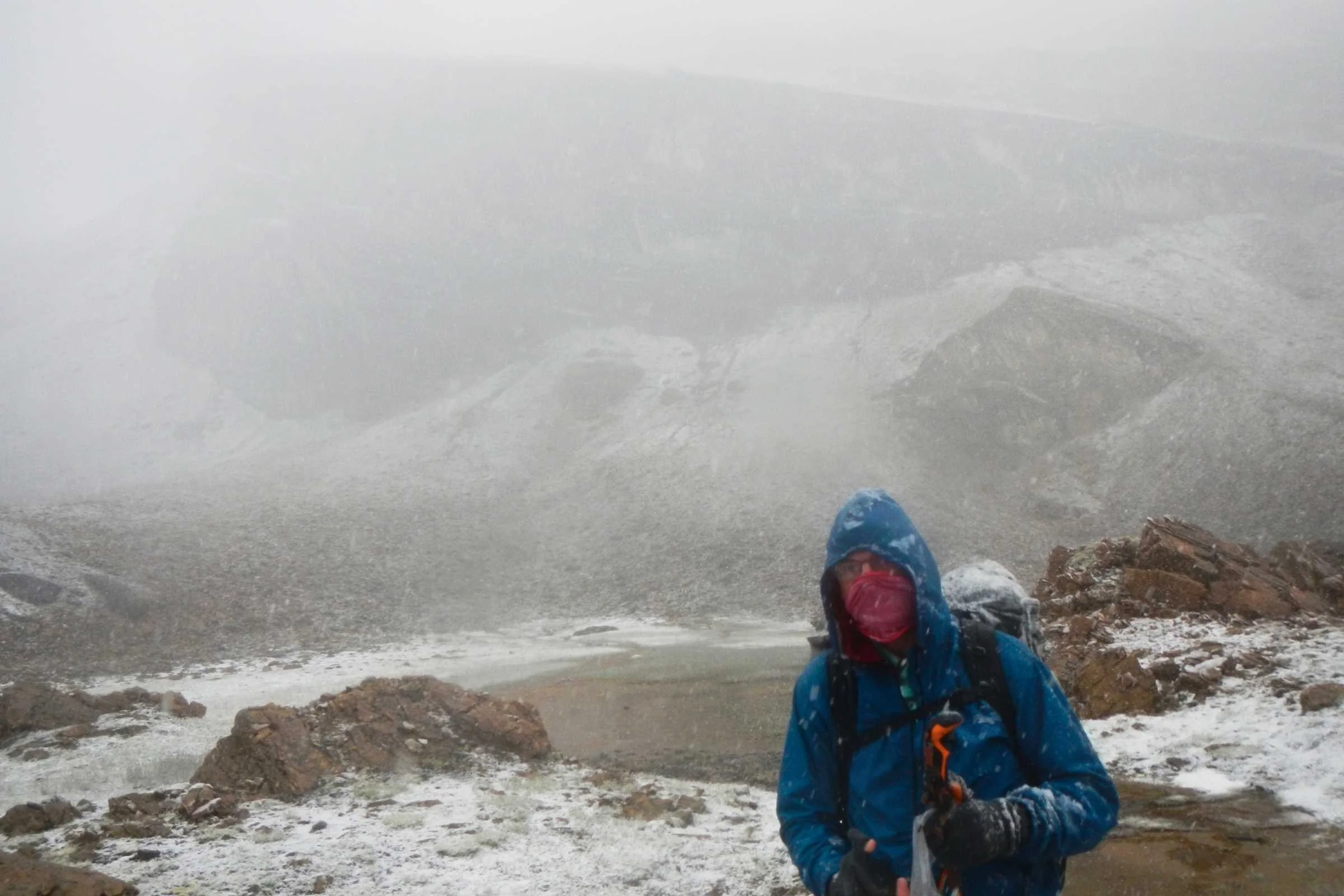
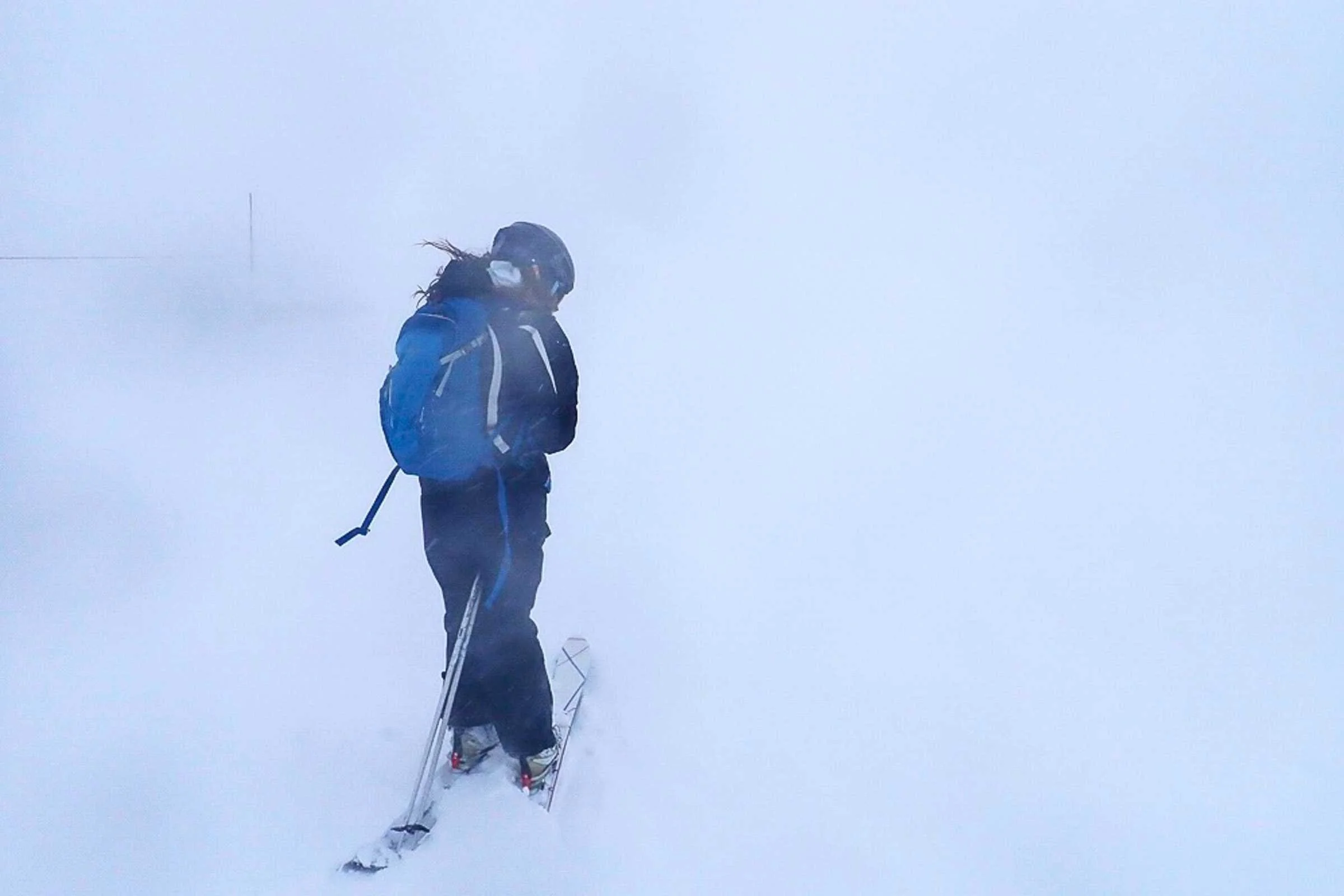
- Physical Controls: Try taking a photo with an iPhone while wearing thick Gore-Tex mittens in a blizzard. You can't. Rugged cameras have large, tactile buttons and a physical shutter release.
- Thermal Management: Smartphones are designed for pockets, not mountain peaks. At temperatures below freezing, smartphone batteries experience a voltage drop that leads to instant shutdown. Rugged cameras use insulated battery compartments designed to keep the power flowing at 14°F.
- Safety First: If you use your phone for navigation and emergencies, the last thing you want to do is drain the battery taking 4K videos of a waterfall. Separating your camera from your lifeline is just smart backcountry practice.
Buying Guide: What to Prioritize for Your Environment
Before you drop $500 on a new rig, consider where you'll be spending 80% of your time. Not all "tough" is created equal.
- For the Diver: Depth is everything. Don't settle for the standard 33ft; go for the OM System TG-7. The water pressure at 100ft will compromise lesser seals instantly.
- For the Climber/Hiker: Look at impact resistance and weight. You want a camera that can dangle from a carabiner and take a hit against a granite wall without the lens cracking.
- For the Macro Enthusiast: If you're shooting tide pools or mountain flowers, look for "Ring Lights" (like on the Ricoh) or advanced macro modes. Lighting is the biggest challenge when shooting that close.
FAQ
Are rugged cameras better than GoPros for photography? Yes. While GoPros are the kings of action video, they use ultra-wide fixed lenses that aren't ideal for traditional photography. Rugged cameras like the TG-7 offer optical zoom and better sensor tech for high-quality stills.
Can I use these cameras for scuba diving without a case? It depends on the depth. Most are rated to 33-50 feet. If you are going deeper (recreational diving usually goes to 60-100 feet), only the TG-7 can handle it natively, though even then, a dedicated housing is recommended for deep-sea safety.
Do rugged cameras have Wi-Fi for instant sharing? Almost all 2025 models, including the TG-7 and Ricoh WG series, feature built-in Wi-Fi and Bluetooth to sync with your phone for quick social media updates—assuming you have a signal!
Get Out There
The best camera in the world is the one you actually have with you when the lightning strikes or the whale breaches. Don't leave your memories to chance with a fragile smartphone. Pick a tool that's as tough as the trails you hike.