Quick Facts
- Best Overall: The Black Diamond Spot 400-R is the definitive choice for 2025, balancing 400 lumens of power with a 100m beam and modernized USB-C charging.
- Activity Requirements: For technical pursuits like night trail running or navigating rugged terrain, a minimum of 300 to 400 lumens is essential to spot obstacles before they spot you.
- Night Vision: A red-light setting is non-negotiable for campsite etiquette and preserving natural night vision during map reading or gear sorting.
- Expert Testing: Our team has rigorously field-tested over 200 unique headlamp models across the globe since 2013, from the humid jungles of Borneo to the frozen peaks of the Sierras.
- Efficiency Hack: Switching your headlamp from high-output to low-output can extend battery life by as much as 2,400%, a life-saving statistic in emergency scenarios.
Introduction: Why Your Headlamp is Your Most Critical Safety Tool
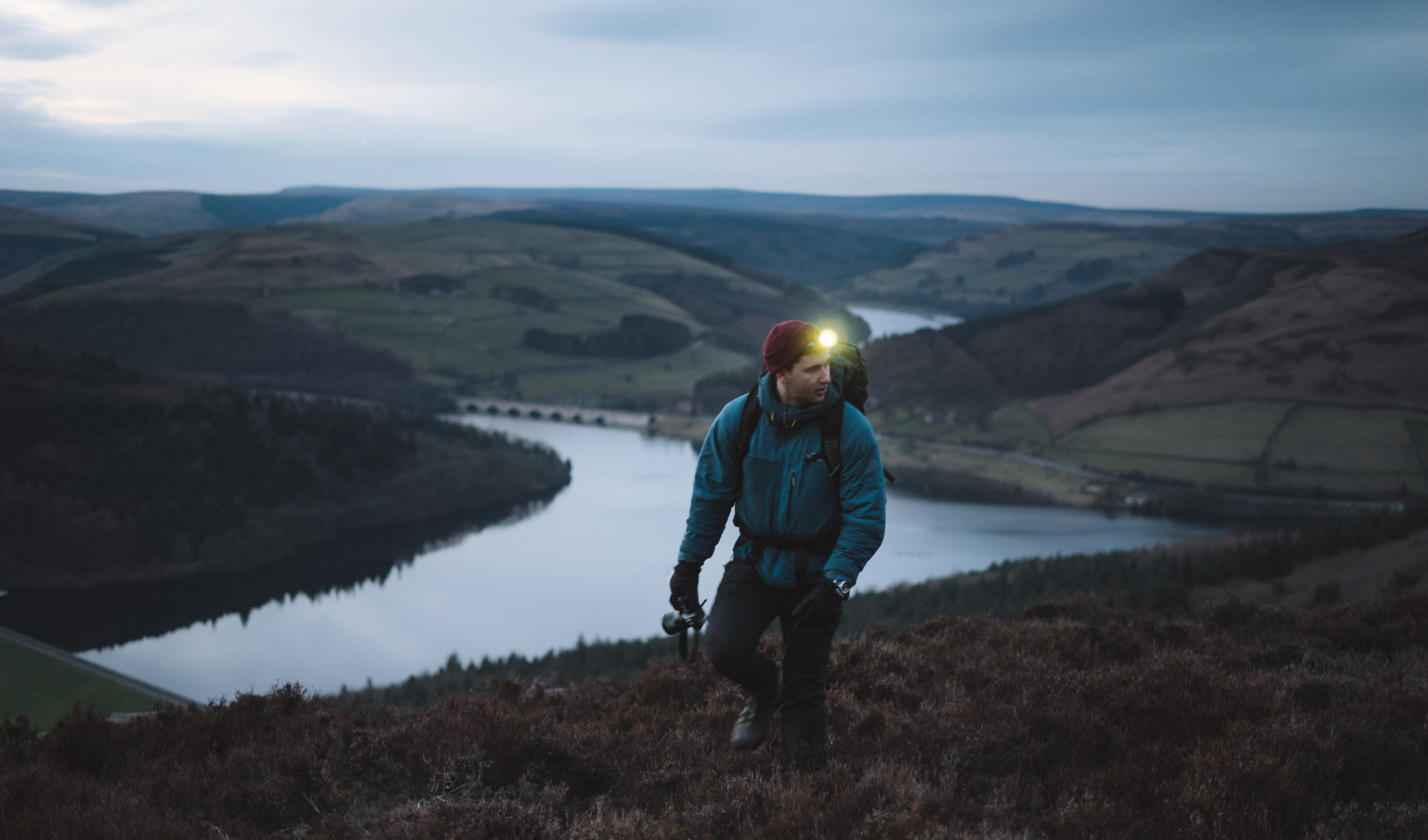
There is a specific kind of silence that only exists at 4:00 AM on a ridgeline when your breath is frosting in the air and the only thing between you and a 500-foot drop is a three-ounce piece of plastic strapped to your forehead. I’ve been there—fumbling with cold fingers to find a trail marker in the North Cascades, and more than once, a dimming bulb has been the difference between a successful summit and a cold, miserable night spent shivering in a bivy sack.
In 2025, the "humble" headlamp is no longer humble. We’ve moved past the era of dim, yellow incandescent bulbs and heavy battery packs. Today’s market is a high-tech battlefield of LED efficiency, lithium-ion density, and USB-C integration. Whether you are setting up a tent in a downpour or pushing for a personal best on a technical evening run, your headlamp is arguably your most critical piece of safety gear.
The gear landscape has shifted. We are seeing a massive move toward fully integrated rechargeable systems, but the core needs remain the same: reliability, comfort, and enough throw to see what's coming next. We’ve spent the last decade putting these lights through the ringer so you don’t have to.
Quick Picks: Best Headlamps at a Glance
| Model | Best For | Max Lumens | Weight | Power Source |
|---|---|---|---|---|
| Black Diamond Spot 400-R | Best Overall | 400 | 2.6 oz | Integrated Rechargeable (USB-C) |
| BioLite Range 500 | Night Trail Running | 500 | 2.75 oz | Rechargeable |
| Petzl Tikkina | Budget/Camp Tasks | 300 | 3.2 oz | 3x AAA or Core Battery |
| Fenix HM75R | Search & Rescue/Technical | 1600 | 11.3 oz | Dual Rechargeable |
| Coast WPH30R | Durability/Work | 1000 | 6.2 oz | Rechargeable |
Best Overall Camping Headlamp: Black Diamond Spot 400-R
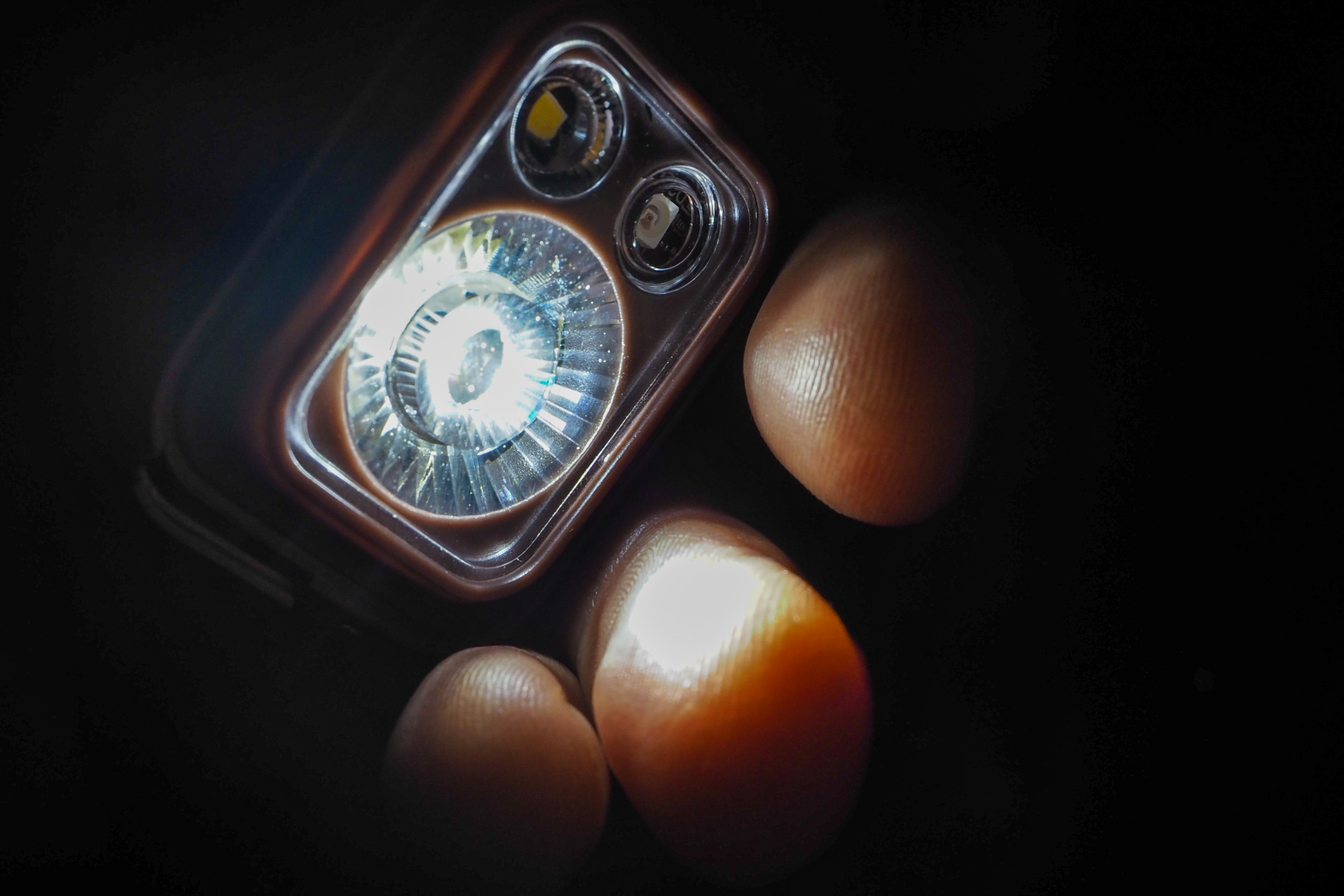
If you’re looking for the "Goldilocks" of headlamps, the Black Diamond Spot 400-R is it. We’ve taken this model through everything from late-season backpacking trips in the Rockies to weekend car camping in the desert. The 2025 iteration has perfected the balance between weight and raw power. With a 400-lumen output and a beam that reaches 100 meters, it provides enough "throw" to scout trails while the "PowerTap" technology allows you to instantly transition between full and dimmed power with just a tap of your finger.
The transition to a fully integrated USB-C rechargeable battery is the real game-changer here. While some purists still cling to AAA batteries, the reliability and environmental benefits of the 400-R's internal battery are undeniable. It charges quickly from a portable power bank and holds its charge remarkably well in sub-freezing temperatures—a common failure point for cheaper rechargeables.
The Bottom Line: This is the most versatile light on the market. It’s light enough for a thru-hike but powerful enough for a rescue situation.
Pros:
- Compact, low-profile design prevents "bounce"
- IP67 rating means it can survive being submerged in water
- Excellent peripheral lighting for camp chores
Cons:
- Built-in battery means you can't swap in spares (though it charges fast)
- The dual-button interface has a slight learning curve
Shop Black Diamond Spot 400-R →
Best for Running and High-Impact Activities: BioLite Range 500 & Dash 450
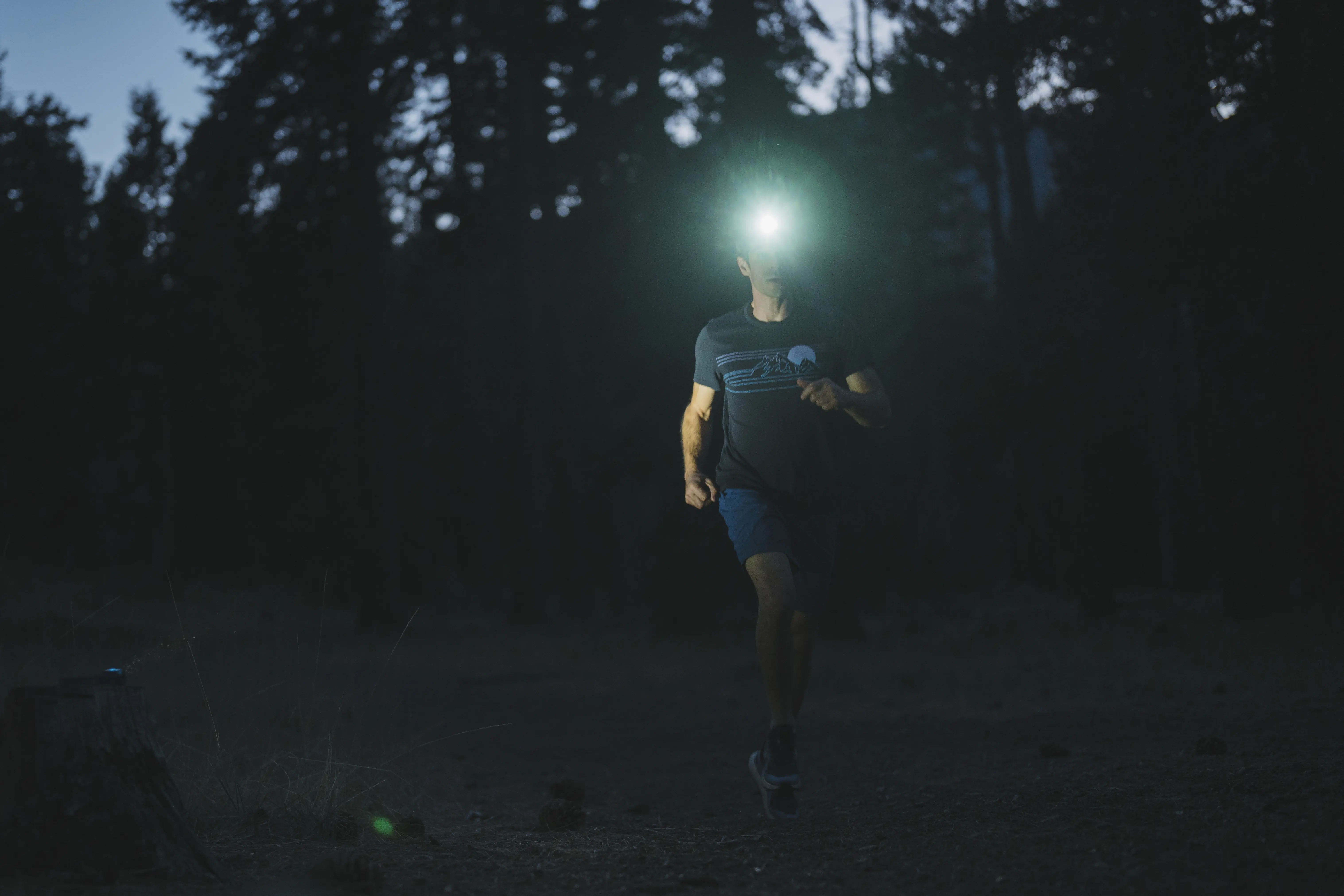
When you're moving at speed, headlamp physics change. You don't just need brightness; you need stability. We’ve found that the BioLite Range 500 solves the "bobblehead" effect better than almost any other brand. By integrating the electronics directly into the moisture-wicking 3D SlimFit fabric, BioLite has created a headlamp that feels more like a headband than a piece of hardware.
Our expert recommendation for technical activities like night trail running is a minimum of 300 to 400 lumens. The Range 500 hits that sweet spot and adds a rear red light for safety if you're running on roads. During our field tests on technical singletrack, the "no-bounce" fit meant we weren't constantly adjusting the strap, allowing us to focus entirely on the footwork ahead.
The Bottom Line: If your primary goal is movement—whether running, fast-packing, or cycling—the BioLite series offers unparalleled comfort and weight distribution.
Pros:
- Ultra-thin front profile
- Wicks sweat away from the eyes during intense efforts
- Balanced weight prevents forehead fatigue
Cons:
- The fabric strap takes longer to dry than traditional elastic
- Battery life is shorter on "Burst" mode
Best Budget & Emergency Choice: Petzl Tikkina
Not everyone needs a searchlight. If your primary goal is reading in a tent, cooking dinner at a picnic table, or having a "just in case" light in your glovebox, the Petzl Tikkina is our top recommendation. It’s refreshingly simple: one button, three brightness levels, and a rugged build that feels like it could survive a drop down a granite slab.
What makes the Tikkina stand out in 2025 is Petzl’s Hybrid Concept. It runs on three standard AAA batteries but is also compatible with the CORE rechargeable battery pack (sold separately). This gives you the best of both worlds—rechargeable convenience for daily use and the ability to swap in alkalines when you're off-grid for a week.
The Bottom Line: High reliability at a fraction of the cost. It’s the perfect "backup" light or primary lamp for casual campers.
Brightest and Most Durable: Fenix HM75R & Coast WPH30R
Sometimes, 400 lumens isn't enough. If you’re involved in search and rescue, cave exploration, or technical mountaineering, you need a "light cannon." The Fenix HM75R is a beast, pushing out a staggering 1600 lumens. In our tests, this light turned a pitch-black forest into high-noon levels of visibility.
Similarly, the Coast WPH30R is built for environments that would destroy most consumer electronics. It features an IPX8 waterproofing rating and a ruggedized body that can withstand significant impacts. When navigating rocky or unpredictable terrain, the depth perception provided by these high-quality beams becomes a literal lifesaver.
The Bottom Line: These are professional-grade tools. They are heavier and more expensive, but when you need to see half a mile down a canyon, there is no substitute.
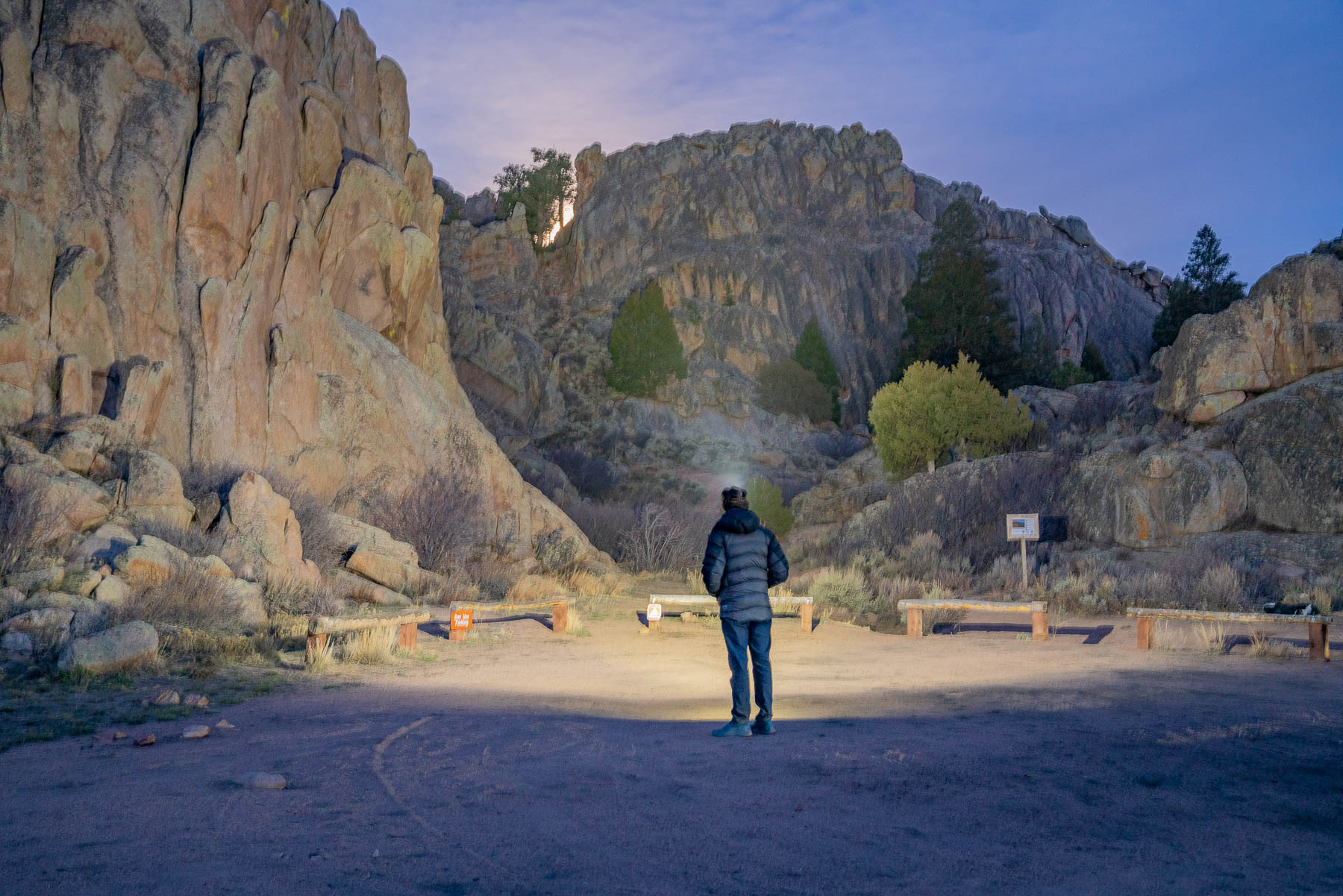
Best for Hunting & Fishing: Specialized Color Modes
For the hunters and anglers in our audience, white light is often your enemy. It spooks game and blinds your buddies. This is where specialized color modes like Red, Green, and even Blue LEDs come into play. We consider a red light setting mandatory for any camping headlamp because it allows you to maintain your "night eyes"—the rhodopsin in your eyes stays intact, allowing you to see the stars and the trail even after you turn the light off.
Green light is particularly popular for hunting as it provides high contrast for reading maps or tracking without being as visible to animals. During our testing in the marshlands, the stealth and night-vision preservation of these modes proved far more valuable than raw lumen count.
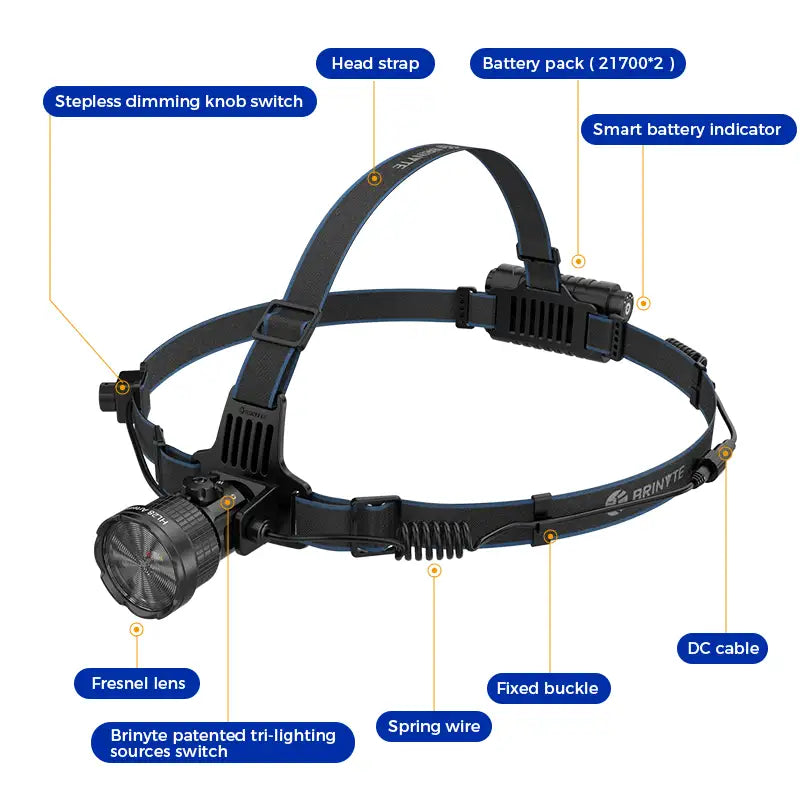
How We Tested: 200+ Models and a Decade of Experience
We don’t just read the specs on the box. Since 2013, our team has bench-tested and evaluated approximately 200 unique headlamp models. Our methodology involves two distinct phases. First, the "Lab Phase": we measure actual lumen drop-off over time (many brands claim 400 lumens, but drop to 100 after ten minutes) and test waterproofing in pressurized tanks.
The second phase is the "Field Abuse." We take these lights into the wild. We drop them on rocks, leave them in freezing rain, and let them rattle around in the bottom of a pack for months. If a hinge snaps or a charging port covers fails, it doesn't make this list. We’ve logged thousands of trail miles in the dark to ensure that when we say a light is "Best Overall," it has actually earned that title in the dirt.
Buyer’s Guide: What to Look for in 2025
Choosing a headlamp in 2025 can feel like buying a laptop. Here is what actually matters when you're standing in the gear shop:
Lumens vs. Beam Distance
Don't get blinded by the lumen wars. Lumens measure total light output, but "Beam Distance" tells you how far that light actually travels. For hiking, a long, narrow "spot" beam is great. For cooking at camp, a wide "flood" beam is much more useful. Look for a lamp that offers both.
Battery Management
This is where the math gets interesting. Field tests reveal that high-performance headlamps can experience a 2,400% increase in battery life when switched from high-output (typically 2 hours) to low-output (often 50+ hours). Always use the lowest setting possible for the task at hand to ensure you have juice left when you really need it.
The Rechargeable Revolution
The move to USB-C charging has revolutionized battery management. It allows for easy recharges via power banks or solar panels in the field, eliminating the need to carry (and dispose of) dozens of AAA batteries. However, if you are going on a multi-week expedition without power, a hybrid model that accepts alkalines is still a wise choice.
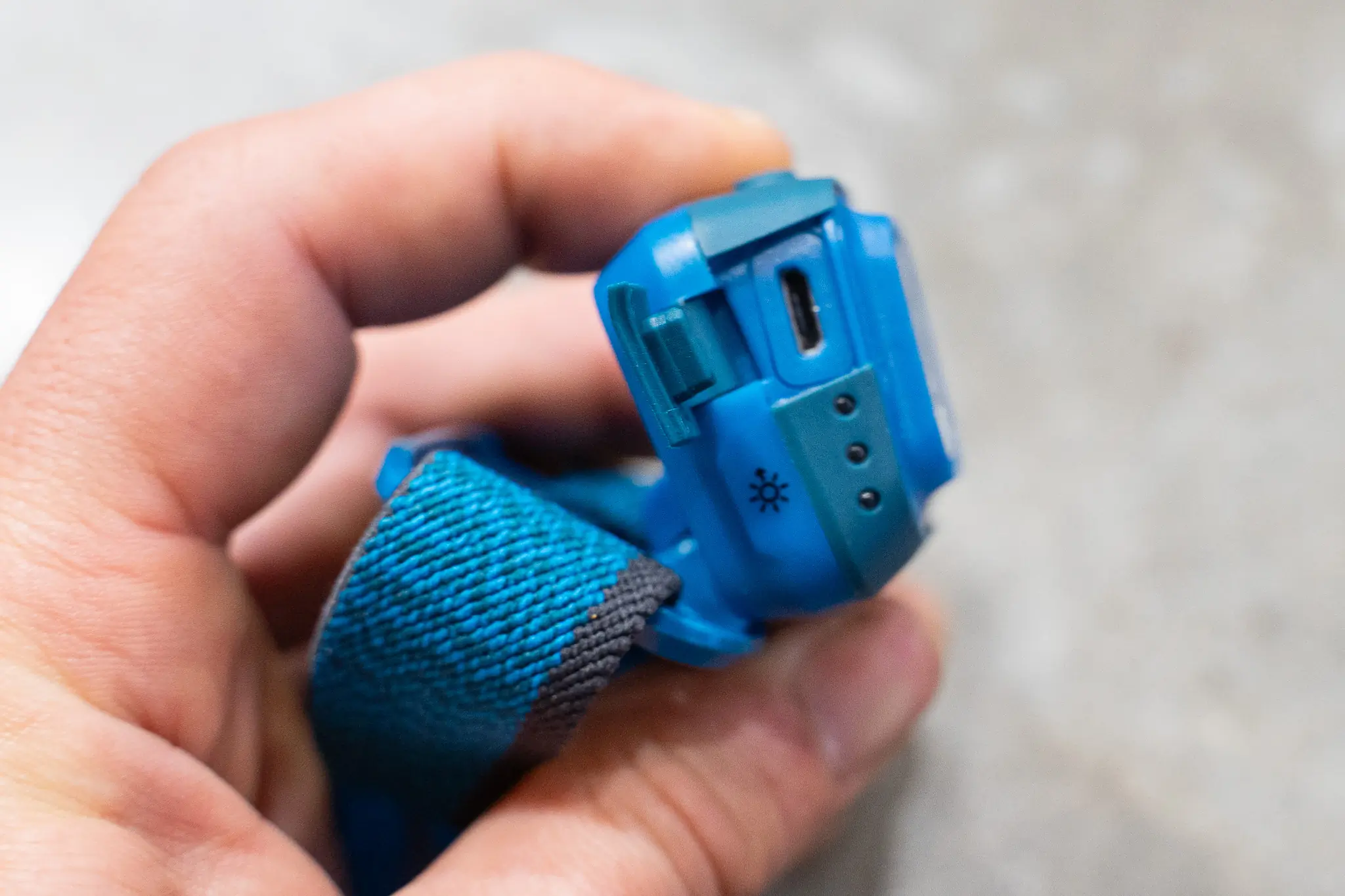
Editor’s Tip: Always lock your headlamp! Most modern lamps have a "lock" mode (usually holding the button for 3-5 seconds). Nothing ruins a trip faster than pulling a dead headlamp out of your pack because it accidentally turned on during the hike in.
FAQ: Your Headlamp Questions Answered
Q: Is 400 lumens too bright for camping? A: For sitting around a fire or eating, yes—it’s overkill and will blind your friends. However, for navigating a trail or finding a campsite in the dark, 400 lumens is the ideal standard. Most lamps are dimmable, so you can always turn it down.
Q: Can I use my phone flashlight instead? A: In an absolute pinch, yes. But a phone is not hands-free, it’s not waterproof, and the battery is too precious to waste on illumination when you might need it for navigation or emergency calls. Always carry a dedicated headlamp.
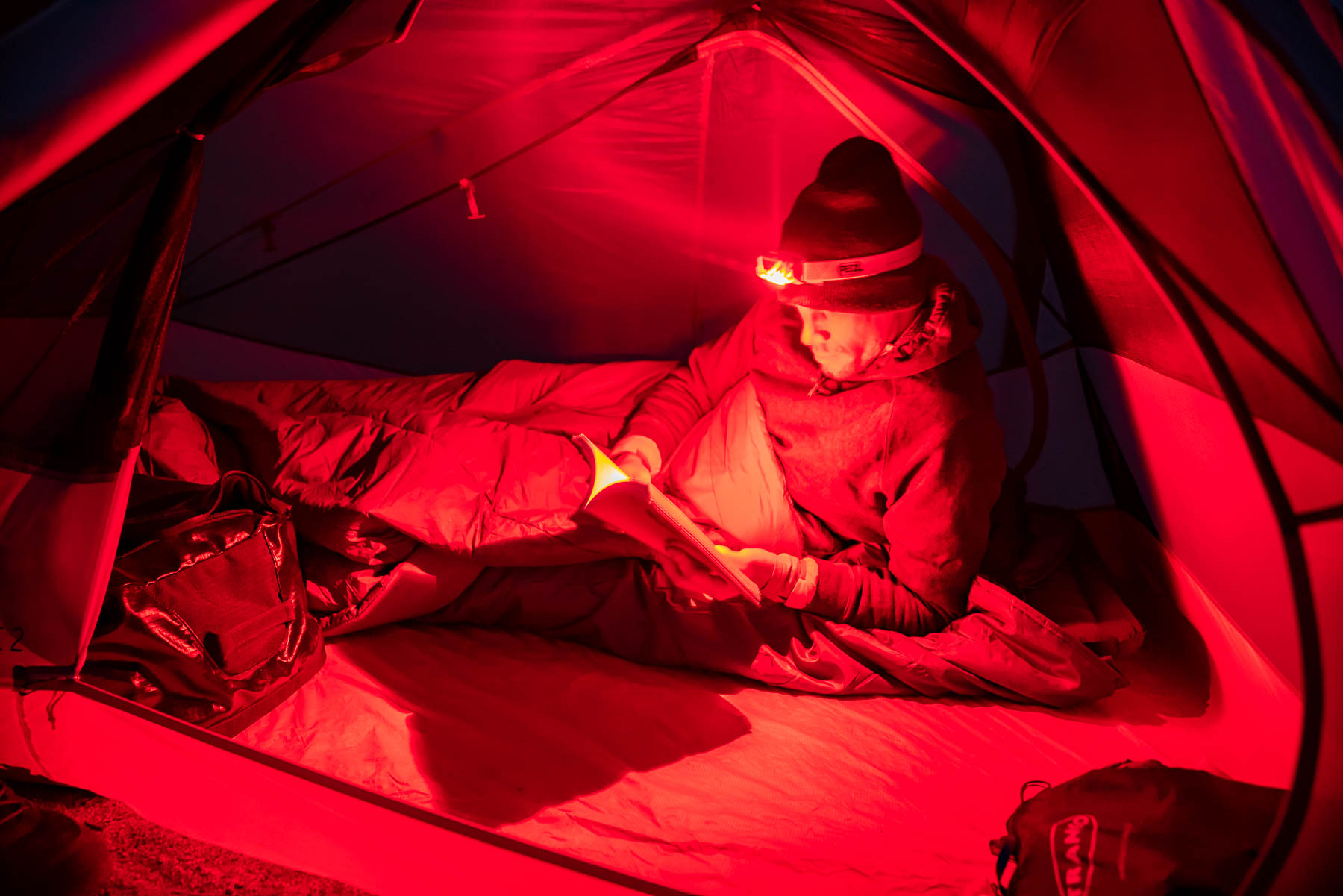
Q: Why does red light matter so much? A: Using red light mode inside the tent allows you to organize gear without blinding your campmates or ruining your eyes' adjustment to the dark. It also attracts significantly fewer bugs than white light!
Final Verdict & CTA
After hundreds of hours in the dark, the verdict is clear: the Black Diamond Spot 400-R is the most reliable, capable, and user-friendly headlamp of 2025. It handles the transition from car camping to alpine climbing with ease, and the USB-C integration makes battery anxiety a thing of the past.
Don't wait until you're lost on a switchback after sunset to realize your old light isn't up to the task. Upgrade your kit today and see the trail in a whole new light.